



In this article, we’ll be sharing lots of fun facts about Niigata Prefecture! From industry, agriculture, and history and culture to more casual topics like local gourmet foods, we’ve gathered a wide range of trivia related to Niigata.
We’ll also provide explanations for each piece of trivia throughout the article.
Please use this as a reference and deepen your knowledge! We think there will be things that even residents of Niigata will learn for the first time here, not just those from outside the prefecture—so please enjoy reading along.
- [For Elementary School Students] Niigata Prefecture Local Quiz Collection
- Trivia & Fun Facts About Gifu Prefecture
- So interesting you’ll want to tell someone! December Trivia & Fun Facts Special
- A quiz for elementary school students about Japan’s number ones. Guess the “most ___” things in Japan!
- Trivia about Tokyo: A collection of fun facts useful for sightseeing
- Fun facts you’ll want to share! A special feature on November trivia and tidbits
- Trivia you think you know but surprisingly don’t? August trivia and fun facts quiz!
- A classic song that celebrates Niigata. The enduring spirit of our hometown passed down through song.
- Trivia & Fun Facts about Miyazaki Prefecture
- [Challenge] Stimulate your intellectual curiosity with a general knowledge quiz you might not know!
- Trivia quiz about schools: a roundup of fun facts you’ll want to brag about
- Fun facts you’ll want to share! January trivia and tidbits special
- A quiz of fun trivia: bite-sized knowledge that leads to new insights.
Trivia and fun facts about Niigata Prefecture: history, industries, and some surprising national number ones? (1–10)
There are crude oil producing areas in Niigata Prefecture.

It may sound hard to believe, but crude oil is actually produced in Japan.
And the prefecture with the highest output is Niigata.
There are 13 oil fields within Niigata Prefecture, and the crude oil produced there accounts for over 60% of domestic production.
Among them is the Niitsu Oil Field in Akiha Ward, Niigata City, an area once known as the “home of petroleum” due to its abundant crude oil.
For reference, production at the Niitsu Oil Field ended in 1996.
Niigata is also a major producer of natural gas, accounting for more than 70% of the domestic share.

The Joetsu Shinkansen does not pass through Joetsu City.
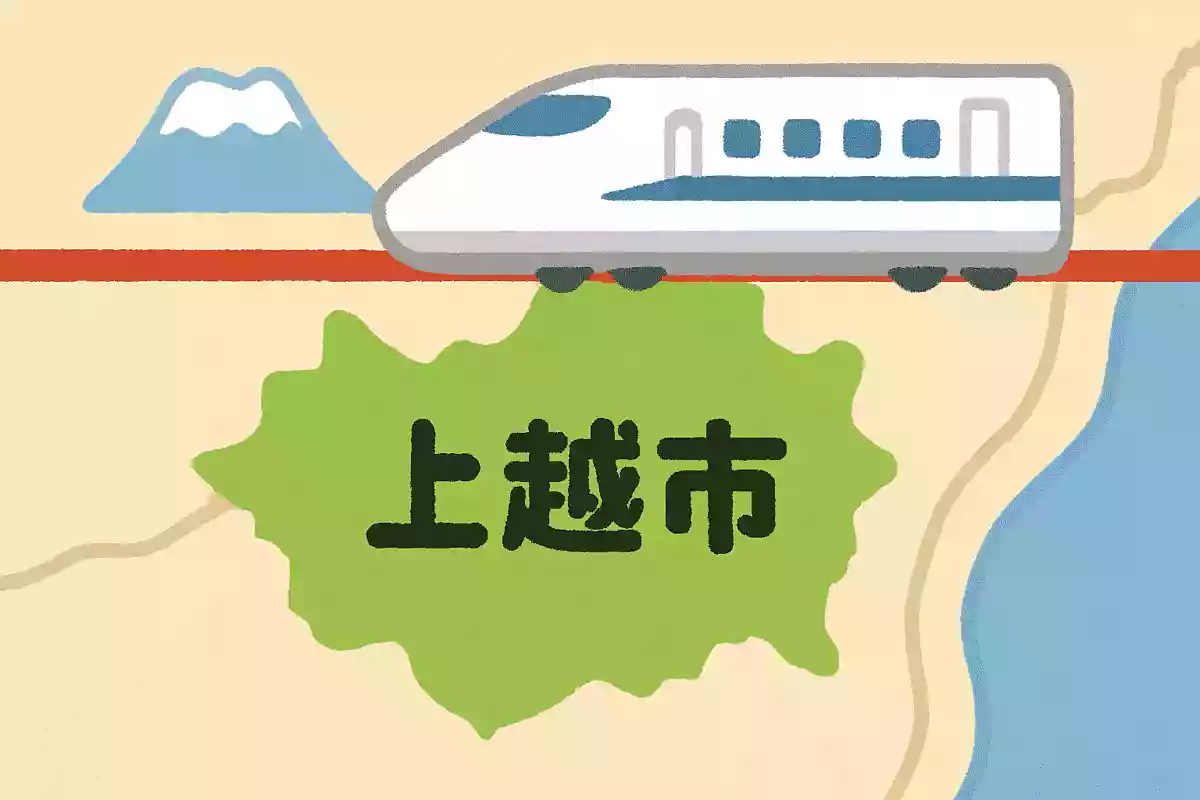
It’s surprising, isn’t it, that despite being called the Joetsu Shinkansen, it doesn’t actually pass through Joetsu City.
There’s a clear reason for this: in this case, “Joetsu” doesn’t refer to Joetsu City or the Joetsu region (one of the three regions of Niigata Prefecture).
The “Jō” in “Jōetsu Shinkansen” actually stands for Kōzuke Province, the historical name for the area around present-day Gunma Prefecture.
In other words, because the line connects from Ōmiya through Takasaki to Niigata, it was named by taking the first characters of Jō (Kōzuke/Upper Ueno) and Echigo (Niigata), forming “Jōetsu Shinkansen.” You could call this a fun bit of trivia born from a series of coincidences.
Edamame has the largest cultivated area in Japan.

Did you know that Niigata Prefecture has the largest soybean (edamame) cultivation area in Japan and is a famous production region for edamame? What’s more, from spring through fall—about half the year—different varieties of edamame are harvested continuously.
Because of this, eating edamame is an everyday habit in households across Niigata.
By the way, although Niigata ranks first in cultivation area, it only ranks seventh nationwide in shipment volume.
The reason it isn’t number one in shipments, despite producing the most, is that nearly 40% of the harvested edamame isn’t shipped—they eat it themselves.
It’s a story that really shows just how delicious Niigata’s edamame is.
The electric power frequency in Niigata Prefecture is 50 hertz, but Sado Island is the only area with 60 hertz.
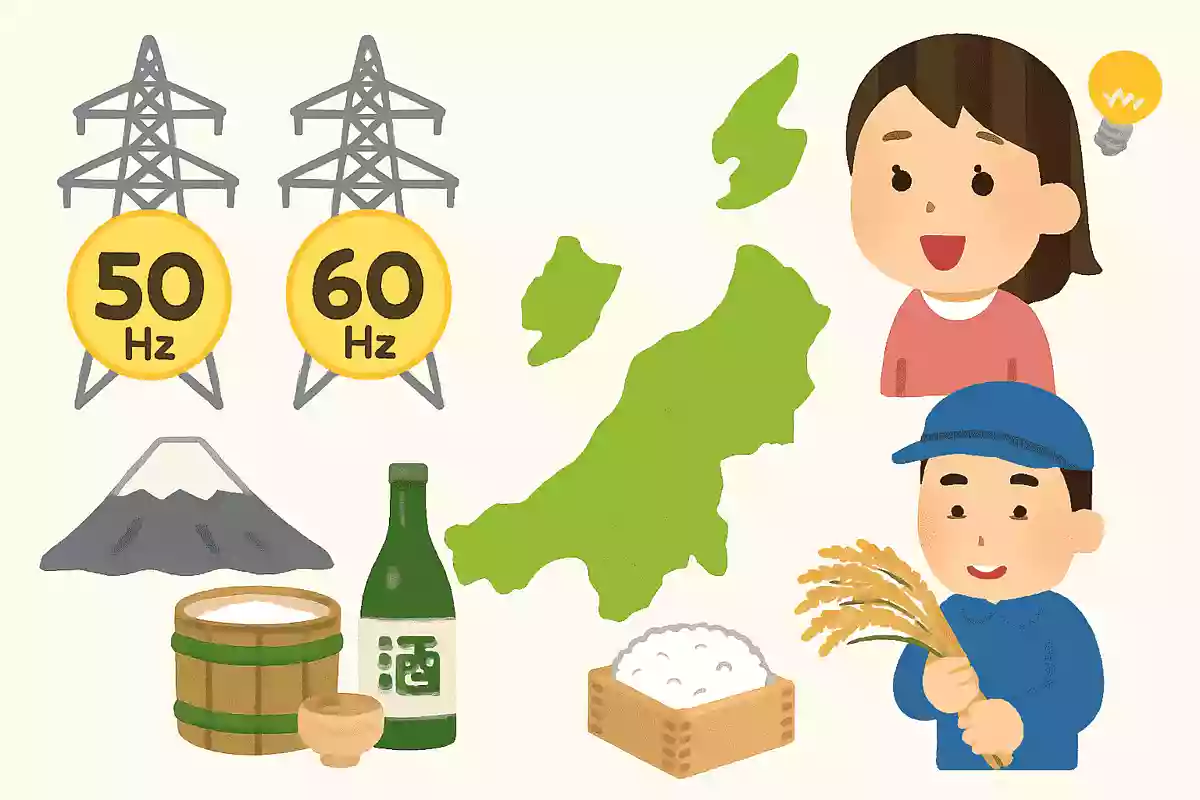
The electricity we use at home has a frequency, and even within Japan it differs by region: 60 hertz in western Japan and 50 hertz in eastern Japan.
Niigata Prefecture sits right on the boundary where the frequency changes, and while mainland Niigata uses 50 hertz, Sado Island uses 60 hertz.
One explanation is that a Kansai company developed the Sado gold mine and used equipment for 60 hertz, leading to 60-hertz electricity becoming standard on the island.
Incidentally, Itoigawa City, located at the western edge of Niigata Prefecture, is a rare area in Japan where both 50 and 60 hertz coexist.
In Niigata Prefecture, a pear variety known as a ‘phantom fruit’ is being cultivated.
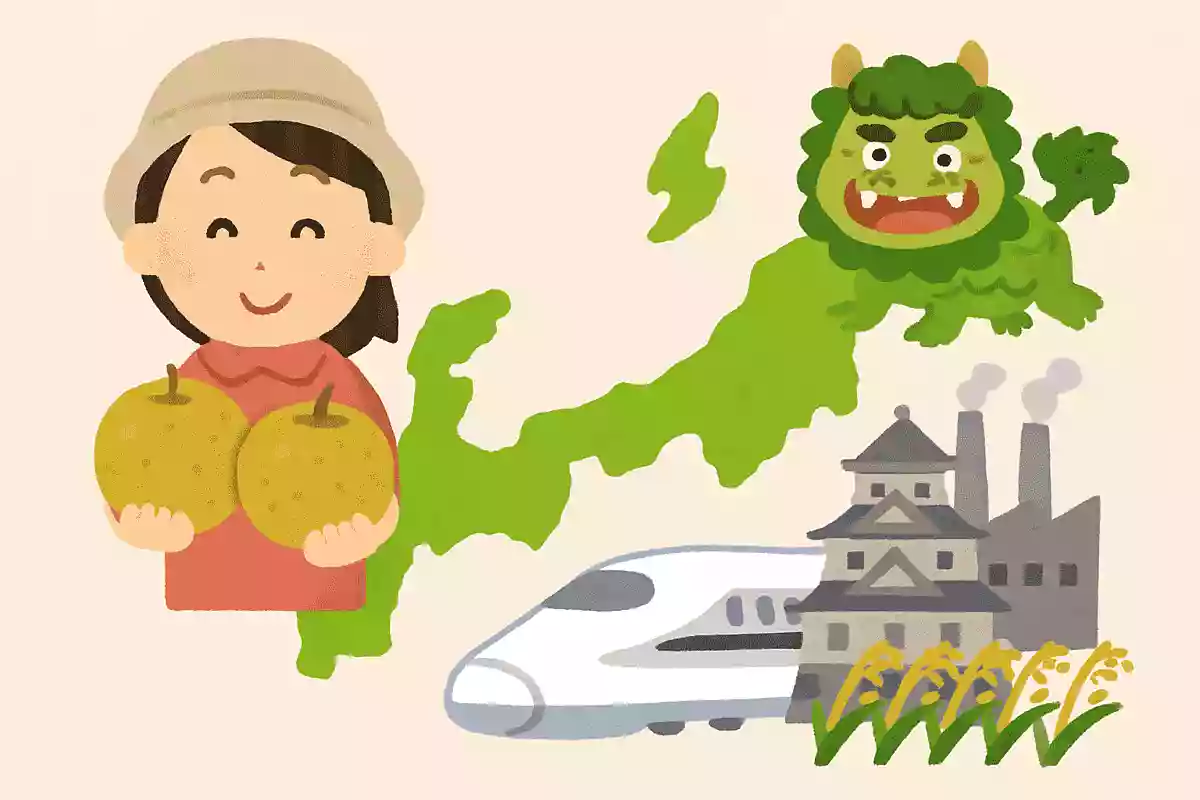
Le Lectier pears are produced mainly in Niigata Prefecture in Japan.
Because they are difficult to cultivate and susceptible to disease, they are known as a “phantom fruit.” Cultivation is challenging even in their country of origin, France, and they are no longer grown there today.
Their shape resembles La France pears, but while La France pears have both acidity and sweetness, Le Lectier pears lack acidity and taste distinctly sweeter.
Their sweet, rich aroma is also a hallmark.
Cultivation in Japan is said to have begun when Le Lectier saplings were brought from France to Niigata in 1903 (Meiji 36).
At first, repeated failures occurred because the cultivation methods were unknown, but their delicious flavor gained a reputation, leading to full-scale cultivation.
Today, they are a signature fruit of Niigata Prefecture.

Niigata Prefecture has the most Shinto shrines in Japan.
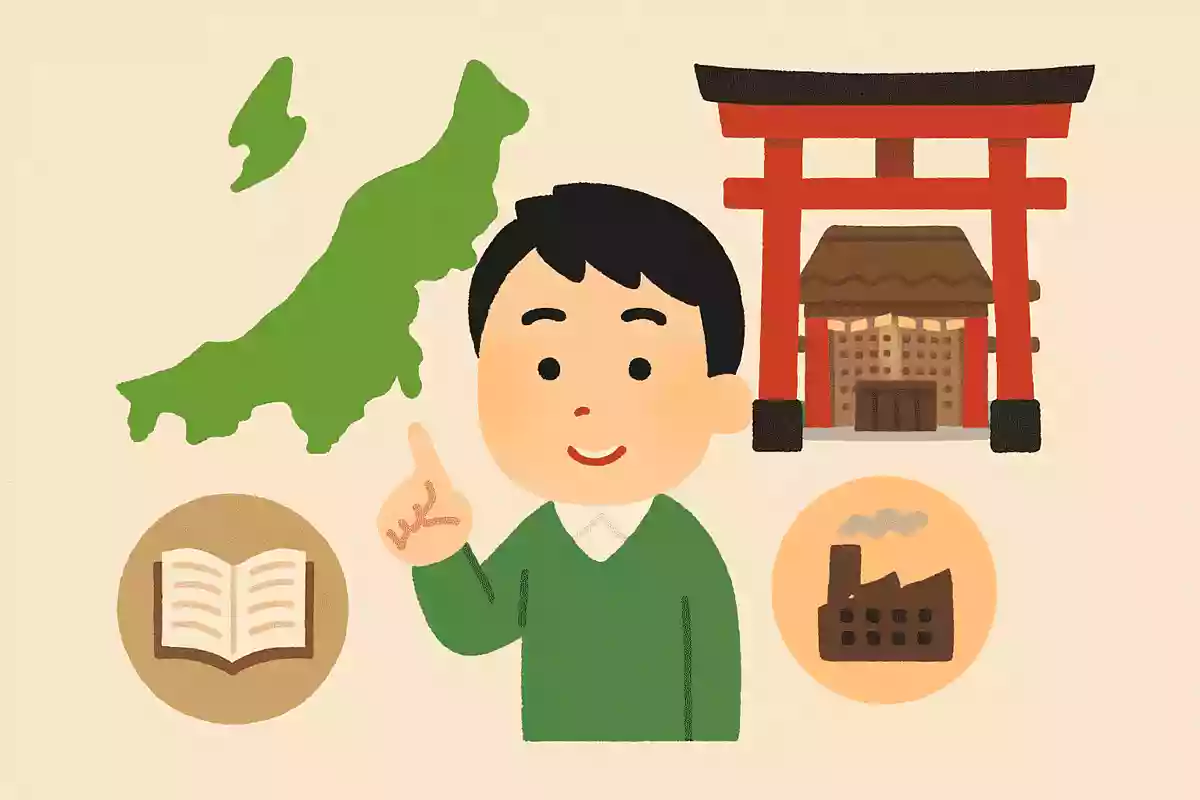
Niigata Prefecture has the largest number of Shinto shrines in Japan.
One reason is that during the Meiji era, Niigata had the largest population in the country and a high number of farming households.
Villages built shrines to pray for bountiful harvests, leading to a proliferation of shrines.
In addition, when the government implemented policies in the Meiji era to reduce the excessive number of shrines, Niigata is said to have been reluctant to comply.
As a result, many shrines remained.
There are various theories like these as to why Niigata has so many shrines.
When you visit Niigata, touring its shrines could be quite interesting.
In Niigata Prefecture, “Italian” refers to a dish of Chinese-style noodles topped with tomato sauce.
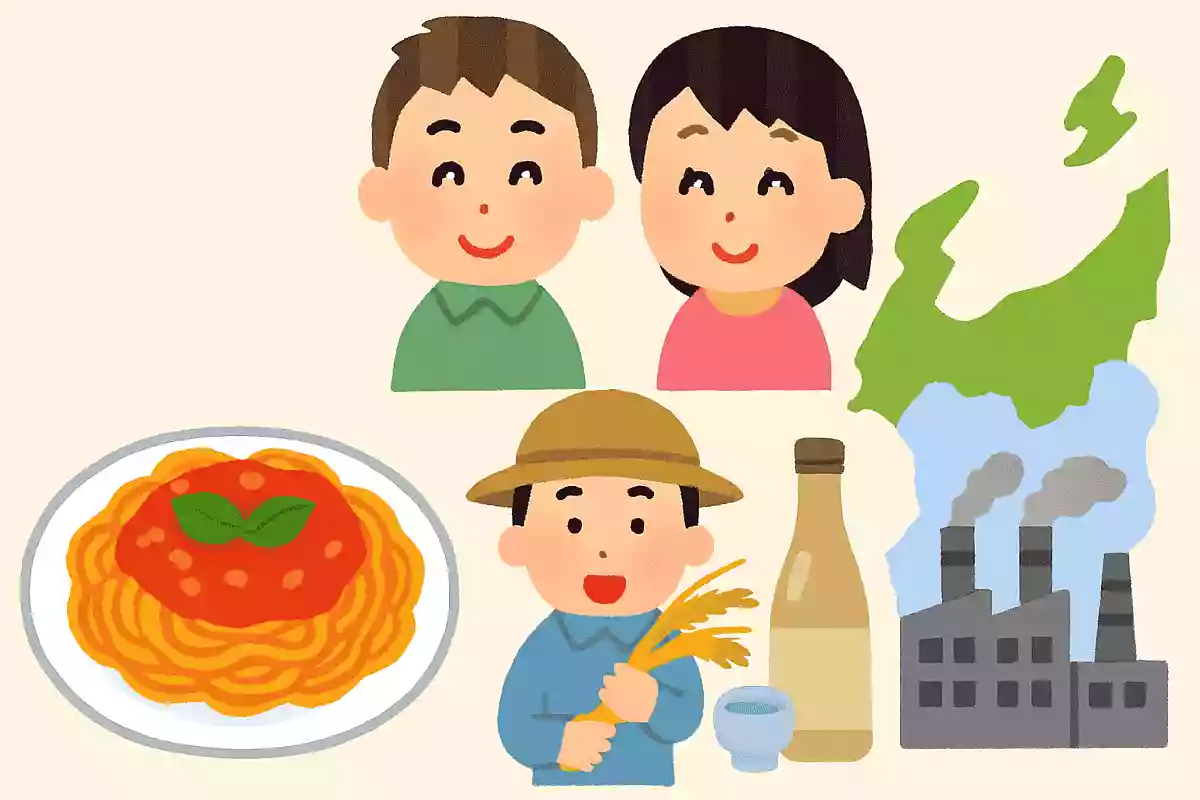
Generally, when people think of Italian food, they picture pizza, pasta, and risotto.
But in Niigata Prefecture, “Italian” refers to a completely different dish! It’s stir-fried Chinese-style noodles coated with sauce and topped with tomato sauce.
This Niigata-style “Italian” originated at a restaurant called Mikazuki, where it was created as a quirky take on yakisoba.
Besides tomato sauce, there are variations with meat sauce or curry sauce.
It’s a beloved local specialty among Niigata residents.