

Tear-jerking songs recommended for men in their 90s: a collection of moving masterpieces

In this article, we’ll introduce a selection of tear-jerking songs from the Showa era that are especially recommended for men in their 90s.
We’ve focused mainly on works that depict the parting of men and women, so we’re confident you’ll find songs that resonate with your own past experiences and memories.
If you’re reading this, please consider recommending the songs we’re about to introduce to any 90-year-olds around you.
We’d be delighted if this could be an opportunity to discover music that overlaps with past experiences and memories and truly moves the heart.
- Tear-jerking songs for men in their 80s: a collection of timeless masterpieces that touch the heartstrings
- Recommended cheer songs for people in their 90s: a collection of timeless tracks that support life
- A collection of moving, tear-jerking songs recommended for women in their 90s—heartfelt tunes that resonate with the soul.
- Songs that get men in their 90s excited: A roundup of classic karaoke recommendations
- Tear-Jerking Songs Recommended for Women in Their 80s: A Collection of Heart-Stirring Masterpieces
- Recommended love songs for women in their 70s: A collection of nostalgic love songs
- For seniors: Recommended youthful songs for people in their 90s. A collection of classic Showa-era hits.
- Lively songs recommended for people in their 80s: A collection of nostalgic enka and kayōkyoku
- Breakup songs recommended for people in their 90s: a collection of timeless tracks that comfort the heart
- Breakup songs recommended for people in their 80s: a collection of classic tracks that capture heartbreaking feelings
- Recommended summer songs for people in their 90s: A collection of Showa-era summer tunes [2026]
- A collection of nostalgic hits from the Heisei era: Let’s look back at iconic songs from the 1990s and 2000s.
- Easy-to-sing songs recommended for men in their 90s: A roundup of tracks to sing at karaoke
Tearjerker Songs Recommended for Men in Their 90s: A Collection of Moving Masterpieces (21–30)
On the Day of DepartureSakushi: Kojima Noboru / Sakkyoku: Sakamoto Hiromi

There is a song that many older adults love, often associated with the arrival of spring and graduation season.
Originally created at a junior high school in Saitama Prefecture as a gift to graduating students, it has since become a standard performed at schools across Japan.
With hopeful lyrics and a bright melody, it conveys courage and determination for a new beginning.
It also gained attention when it was used in a commercial featuring SMAP.
It’s a wonderful song that lets you look back on nostalgic memories while feeling hopeful about the future.
Why not listen to it together with older adults as an opportunity to reflect on life’s milestones?
SaraiKayama Yūzō

This is a heartwarming classic that brings back nostalgic memories.
It delicately portrays the feelings of people who leave their hometowns to chase their dreams, and was created by Yuzo Kayama and Shinji Tanimura in November 1992 as the ending theme for Nippon TV’s “24-Hour Television.” Its title derives from a Persian word meaning a desert oasis or a staging post, and the soothing melody—like a spiritual homeland—leaves a lasting impression.
The piece was composed based on messages of love sent in by viewers from across the country, and even after more than 30 years, it remains deeply etched in many hearts.
It’s a recommended song for times when you want to quietly bask in memories or connect heart-to-heart with someone special.
Traveler,Kayama Yūzō

It’s a heartwarming classic woven with words that gently accompany each person’s life, a song that sinks deep into the heart.
While evoking memories of one’s hometown, it stands out as an anthem cheering on travelers who keep walking forward, its lyrics brimming with tenderness and strength.
Yuzo Kayama’s clear, translucent voice blends beautifully with the harmonies of The Launchers, creating superb balance.
The piece was released to the world as the B-side to the single “Gazing at the Night Sky” in October 1966, and was also used as an insert song in the film “Let’s Go! Wakadaisho.” In May 2010, a duet version with Ryoko Moriyama was included on the album “50 Years of Wakadaisho!” It’s highly recommended for those standing at a crossroads in life or wishing to reflect on cherished memories.
Northern SpringSen Masao

It’s a classic song woven from nostalgic scenery and heartwarming melodies.
You can picture the springtime scenes of the northern country—snowmelt, white birches, and kobushi magnolia blossoms.
The protagonist’s longing for their hometown while living in the city is poignant.
Released in April 1977, it stayed on the hit charts for two and a half years.
For many older listeners, it may be a song full of memories.
Humming the lyrics while recalling your hometown and cherished people is a lovely idea.
It’s also great to listen to with family and friends.
You’ll enjoy a wonderful time wrapped in nostalgia and warmth.
Waltz of StarlightSen Masao

Released in 1966 (Showa 41).
Two years later, it gradually caught fire on wired broadcasts across Japan and went on to sell a total of 2.5 million copies.
Known as Masao Sen’s biggest hit, “Hoshikage no Waltz” (“Waltz of Starlight”) expresses, from a male perspective, the poignant feeling of having to part with a loved one—knowing it’s not what the heart truly wants, yet having no choice.
Its relaxed three-beat waltz rhythm makes it easy to sing, and combined with its popularity, it’s a song that many people can enjoy when doing karaoke in senior care facilities.

cherry blossomMoriyama Naotaro
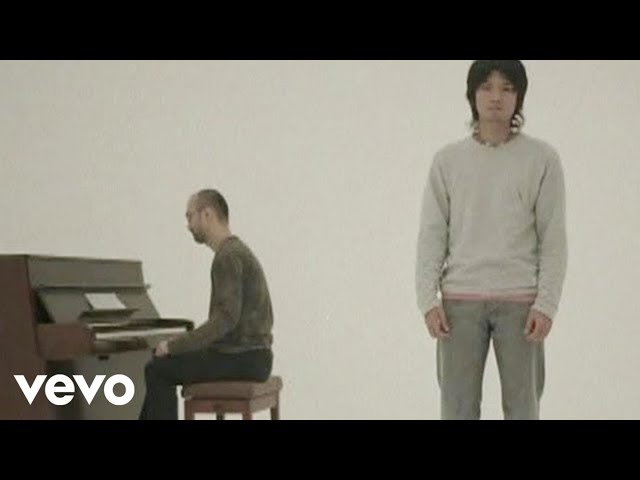
Speaking of cherry blossoms, they are beautiful flowers that herald the arrival of spring.
This song is a masterpiece that overlays the fleeting nature of sakura with the transience of life.
Naotaro Moriyama’s gentle voice vividly depicts a farewell beneath rows of cherry trees.
Released in March 2003, it became a massive hit, selling over one million copies.
Many may know it as the ending theme for the MBS/TBS program “Sekai Ururun Taizaiki.” It’s a song that resonates at life’s milestones and moments of parting.
How about listening to it with older adults and basking in nostalgic memories? Wrapped in the warmth of spring, you can spend a heartwarming moment together.
Words of FarewellKaientai

Do you have any nostalgic melodies that make you feel the warmth of spring sunshine the moment you hear them? Kaientai’s classic “Okuru Kotoba” is a heartwarming piece filled with messages perfect for graduation season.
Its lyrics about the sorrow of parting, the courage to trust others, and the depth of love truly resonate.
Released in November 1979, the song also became well-known as the theme for the popular TV drama “Mr.
Kinpachi in Class 3-B.” Singing it together with older adults might spark lively conversations about fond memories.
Consider incorporating it into recreational activities at your facility.