


In this article, we’ll introduce a selection of tear-jerking songs from the Showa era that are especially recommended for men in their 90s.
We’ve focused mainly on works that depict the parting of men and women, so we’re confident you’ll find songs that resonate with your own past experiences and memories.
If you’re reading this, please consider recommending the songs we’re about to introduce to any 90-year-olds around you.
We’d be delighted if this could be an opportunity to discover music that overlaps with past experiences and memories and truly moves the heart.
- Tear-jerking songs for men in their 80s: a collection of timeless masterpieces that touch the heartstrings
- Recommended cheer songs for people in their 90s: a collection of timeless tracks that support life
- A collection of moving, tear-jerking songs recommended for women in their 90s—heartfelt tunes that resonate with the soul.
- Songs that get men in their 90s excited: A roundup of classic karaoke recommendations
- Tear-Jerking Songs Recommended for Women in Their 80s: A Collection of Heart-Stirring Masterpieces
- Recommended love songs for women in their 70s: A collection of nostalgic love songs
- For seniors: Recommended youthful songs for people in their 90s. A collection of classic Showa-era hits.
- Lively songs recommended for people in their 80s: A collection of nostalgic enka and kayōkyoku
- Breakup songs recommended for people in their 90s: a collection of timeless tracks that comfort the heart
- Breakup songs recommended for people in their 80s: a collection of classic tracks that capture heartbreaking feelings
- Recommended summer songs for people in their 90s: A collection of Showa-era summer tunes [2026]
- A collection of nostalgic hits from the Heisei era: Let’s look back at iconic songs from the 1990s and 2000s.
- Easy-to-sing songs recommended for men in their 90s: A roundup of tracks to sing at karaoke
Tear-jerking songs recommended for men in their 90s: A collection of moving masterpieces (1–10)
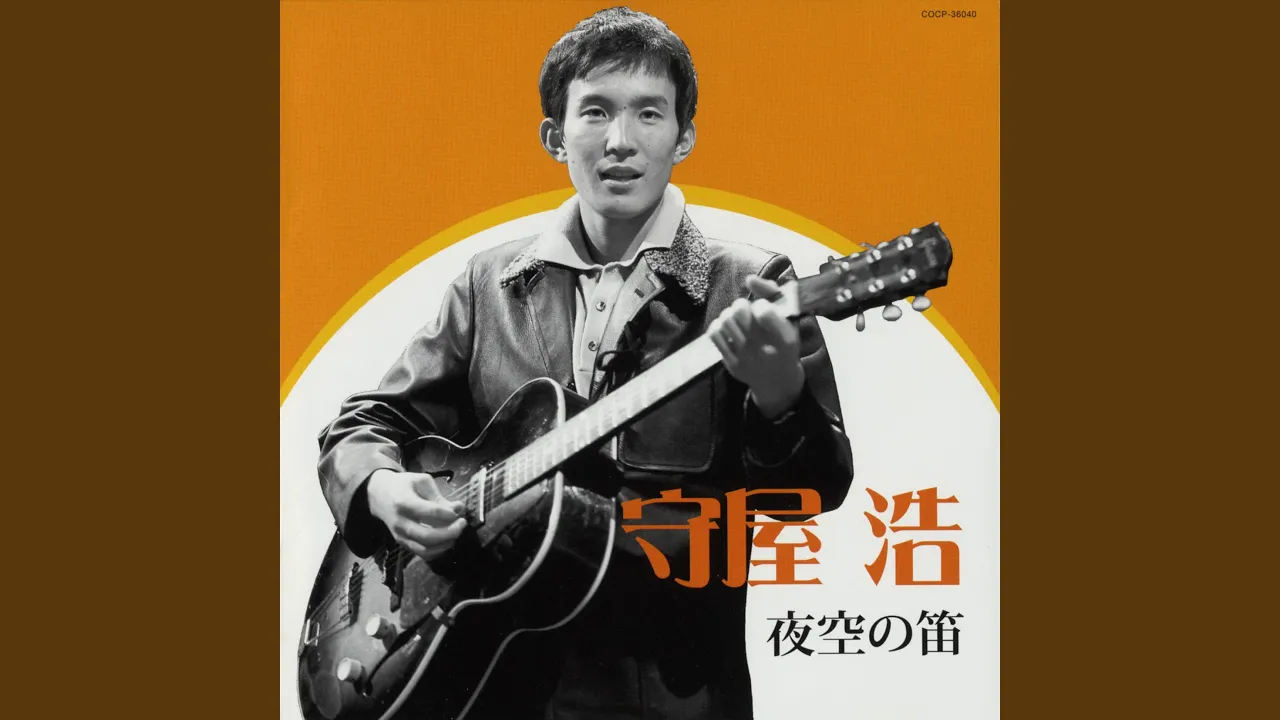
I’m gonna cry (boo-hoo).Moriya Hiroshi

Hiroshi Moriya’s signature work is a song that poignantly portrays a man’s aching feelings for his lover who moved to Tokyo.
Its distinctive phrase, such as “Naichicchi,” leaves a strong impression and captured the hearts of many.
Released in 1959, the song became a major hit after Moriya transitioned from rockabilly to kayōkyoku (Japanese popular song), selling about 380,000 copies by 1968.
It even sparked a social phenomenon, inspiring a film of the same title the following year.
Embracing the emotions of those who part from a lover yet still hold lingering feelings, this piece—when sung at karaoke—is sure to awaken someone’s memories.
Goodbye, mountain plateau stationObata Minoru

This is a song by Minoru Obata that has continued to be loved as a classic from the Showa era.
Depicting the sorrow of parting and the hope of reunion, it was released in June 1951 and was also used as the theme song for a film of the same name.
It delicately portrays the scenery seen from a train window and the feelings of those setting off on a journey, beautifully expressing ineffably deep emotions and promises made from heart to heart.
The way the characters say goodbye without showing tears vividly reflects the emotions and values of Japanese people at the time.
For those in their nineties, this work overlaps with the memories of their youth.
It will surely resonate deeply with anyone who has experienced parting from someone dear.
Don’t cry.Wada Hiroshi to Mahina Sutāzu

A masterpiece whose sweet melodies and heartrending lyrics resonate deeply.
Centered on parting and reunion, it gives voice to the sorrow and loneliness of saying goodbye to a loved one.
Released in 1958, it caused a major sensation on Japan’s music scene.
The graceful vocals and moving words have touched the hearts of many listeners.
Because it explores separation and reunion in love, this piece will likely strike a chord with people in their 90s, evoking memories from the past.
Why not listen quietly while reflecting on precious moments with someone dear? It is sure to warm your heart.
Elegy of the Hot Spring TownŌmi Toshirō

Known as a classic from the Showa era, this gem of a love song overlays a bittersweet longing for love with the scenery of a hot spring town.
Masao Koga’s emotionally rich melody is a perfect match for Toshio Omi’s velvety vocals.
Released in 1948, it sold 400,000 records and went on to become a social phenomenon, even being adapted into a film.
It’s great for reminiscing about your first love, and it also makes the perfect BGM for a hot spring trip with someone special.
A recommended track for when you want to bask in nostalgia.
Melancholy TrainMitsubishi Michiya

It’s a masterpiece whose wistful melody and lyrics about aching love resonate deeply.
The protagonist’s complex feelings as they set off to the sound of a departing train are conveyed through Michiya Mihashi’s expansive vocals.
Released in 1975, this song has continued to be loved by many across generations.
Anyone who has experienced a farewell or the loneliness of a departure will surely find moments they can relate to.
When you feel like reflecting on memories with someone dear, why not listen at a relaxed pace? By listening to this work, you may be able to relive the many emotions felt at life’s turning points.
Cry not, little dove.Haruo Oka

A moving masterpiece that captured widespread popularity in postwar Japan.
Though it centers on parting, its lyrics leave a striking impression with a sense of hope for the future.
Released in 1947, this song is known as one of Haruo Oka’s signature works.
It portrays people maintaining hope for the future even as they faced the harsh realities after the war, resonating deeply with listeners of the time.
Haruo Oka’s powerful vocals further heighten the song’s emotional impact.
Recommended for those who have experienced farewells or who want to feel the bonds with their loved ones.
You’re sure to find something that touches your heart.
Parting Cedar (Farewell Cedar)Kasuga Hachirō

This is a song by Hachiro Kasuga that symbolically entrusts the sorrow of parting to a single cedar tree.
When it was released in 1955, it sold 500,000 copies, and the following year it was even adapted into a film of the same name.
It conveys a universal feeling that anyone who has experienced a breakup can relate to.
When a touch of loneliness crosses your mind, it might be nice to listen to this song and immerse yourself in nostalgic memories.