

[For Seniors] Recommended spring songs for people in their 90s: A collection of Shōwa-era spring tunes


For people in their 90s, songs that were popular in the Showa era likely still remain deeply in their hearts.
In this article, we’ll introduce a selection of classic Showa-era songs themed around spring, all at once!
There are various kinds—some that sing of springtime traditions and others that depict spring scenery.
If you’re reading this, please consider recommending the songs we’re about to introduce to people in their 90s.
We’d be delighted if those in their 90s enjoy listening to the songs featured in this article.
Now, let’s dive right into our recommended spring songs!
- For seniors: Recommended youthful songs for people in their 90s. A collection of classic Showa-era hits.
- [For Seniors] A Collection of Recommended Spring Songs for People in Their 80s
- [For Seniors] Recommended Spring Songs for People in Their 70s: A Collection of Nostalgic Spring Tunes
- Recommended youth songs for people in their 80s: A collection of nostalgic classics
- [For Seniors] Spring Songs You'll Want to Hum: Feel the Season with Nostalgic Classics
- [For Seniors] Classic spring songs to sing in April: A heartwarming moment with nostalgic children’s songs and kayōkyoku (Japanese popular songs)
- Songs to Enjoy with Women in Their 90s: A Collection of Karaoke Crowd-Pleasers
- Recommended summer songs for people in their 90s: A collection of Showa-era summer tunes [2026]
- Recommended cheer songs for people in their 90s: a collection of timeless tracks that support life
- Great songs recommended for people in their 80s: a collection of tracks with lyrics that touch the heart
- [For Seniors] Songs to Hum in March: Heartwarming Moments with Nostalgic Classics that Evoke Spring
- Recommended autumn songs for people in their 90s: A collection of Showa-era autumn tunes
- Recommended winter songs for people in their 90s: A collection of Showa-era winter tracks
[For Seniors] Recommended Spring Songs for People in Their 90s: A Collection of Showa-Era Spring Tunes (21–30)
Song of the Language of FlowersSakushi: Saijō Yaso / Sakkyoku: Ikeda Fujio
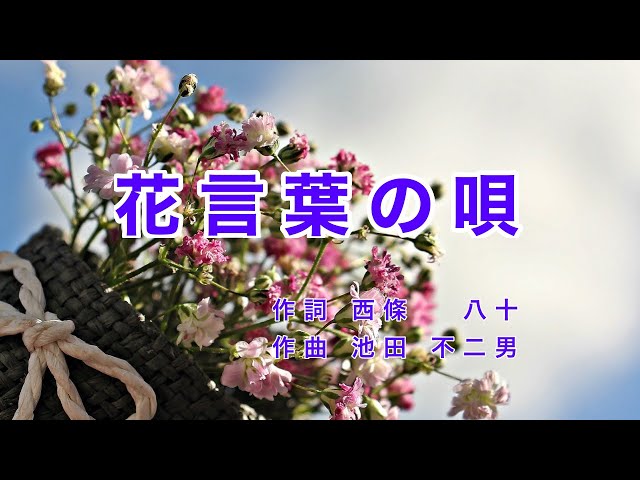
Hanakotoba no Uta, with its elegant waltz rhythm that evokes a modern Showa-era atmosphere, leaves a strong impression.
Its romantic theme of entrusting feelings to flowers and the call-and-response between a man and a woman make it a beautiful duet.
It was produced as the theme song for Shinko Kinema’s 1936 film First Love Diary.
With lyrics by Yaso Saijo and music by Fujio Ikeda, the piece became a major hit despite being composed on short notice during filming, and a line from the lyrics even became a popular catchphrase.
The voices of Akira Matsudaira and Nobuko Fushimi still sound fresh today.
The gentle triple-time melody is perfect for swaying leisurely in the spring sunlight.
Why not hum along with older listeners while reminiscing about nostalgic films?
When the violets bloomSakushi: Fritz Rotter Shirai Tetsuzō / Sakkyoku: Franz Doelle

“When the Violets Bloom,” created as the theme song for the revue Parisette.
Director Tetsuzō Shirai wrote the Japanese lyrics, and it became established as a song symbolizing the Takarazuka Revue.
The original music was composed by Franz Doelle and was a popular tune in Germany in the late 1920s.
With the arrival of spring, memories of first love are revived, and its dreamlike, sweet melody resonates in the heart.
Since its debut in the August 1930 performance, it has been passed down by numerous stars, sung at ceremonies and finales.
Elegant and romantic, it’s a piece that makes you naturally hum along when violet season comes.
Why not sing it together with older adults, recalling the excitement of youth? It’s a perfect song for a bright, springtime moment.
Nozaki KoutaTōkairin Tarō

This song evokes spring outings, heading to pay a visit while gently rocked by a yakatabune pleasure boat.
It’s a popular tune that brings to mind the dazzling scenery seen on the way to Nozaki Kannon in Osaka and the tranquil vistas of rapeseed blossoms.
Sung with dignified elegance by Taro Shoji, one of the most iconic singers of the Showa era, Nozaki Kouta was originally produced to promote Nozaki Kannon, but after its 1935 release it became a beloved classic nationwide.
Many people surely remember both the song and Shoji’s poised figure as he sang, standing perfectly upright.
With exchanges with people walking along the embankment and other stylish customs of the time, it’s a piece you can hum along to while feeling a pleasant nostalgia.
Why not enjoy a soothing moment singing it together, basking in the gentle warmth of spring?
Words of FarewellKaientai

Do you have any nostalgic melodies that make you feel the warmth of spring sunshine the moment you hear them? Kaientai’s classic “Okuru Kotoba” is a heartwarming piece filled with messages perfect for graduation season.
Its lyrics about the sorrow of parting, the courage to trust others, and the depth of love truly resonate.
Released in November 1979, the song also became well-known as the theme for the popular TV drama “Mr.
Kinpachi in Class 3-B.” Singing it together with older adults might spark lively conversations about fond memories.
Consider incorporating it into recreational activities at your facility.
the first strong spring windkyandīzu

With its nostalgic melody, this song that heralds the arrival of spring likely remains in the hearts of many older listeners as a signature work by Candies.
Released in March 1976, it is characterized by a fresh, bright atmosphere reminiscent of a spring breeze.
Its lively rhythm and spirited vocals convey the feeling of a new season beginning.
The song expresses the excitement of new encounters and hopes that come with spring, warmly enveloping those who listen.
It’s perfect for humming along together at a day service, too.
Enjoy a pleasant moment as you bask in the spring sunshine and reminisce about fond memories.
What a nice bath.Za Dorifutāzu

This is a song that celebrates the charms of hot spring resorts, beloved from the Showa-era hit TV program “It’s 8 o’clock! Everybody, Gather Round!” The original version, sung by the Duke Aces, was themed around hot spring areas in Gunma Prefecture, and The Drifters covered it on the B-side of their debut single.
The lyrics were adapted to feature hot spring resorts across Japan—such as Noboribetsu and Kusatsu—expressing fondness for onsen through a lively rhythm and call-and-response shouts.
The song was used as the ending theme for both “It’s 8 o’clock! Everybody, Gather Round!” and “Drifters’ Big Laughter,” and it also appeared in a 1969 film.
Humming it together with older adults while reminiscing about hot spring trips can make for a heartwarming moment.
Song of the Four SeasonsSakushi sakkyoku: Araki Toyohisa

Under the gentle sunshine of spring, a timeless Showa-era classic resonates deep in the heart.
In Toyohisa Araki’s work, the beauty of Japan’s four seasons and his feelings toward people are exquisitely captured within a warm melody.
Born from gratitude toward nurses during a hospital stay, this piece was introduced on Nippon Broadcasting’s “Aozora Wide,” where it received an overwhelming response, and Yoko Seri’s performance went on to become a million seller.
The tenderly drawn seasonal scenes and the deep affection for friends and family evoke a tranquil passage of time.
It’s a wonderful song that invites you to reminisce and reflect on bonds with loved ones.
Perfect for a relaxing music recreation session for seniors.