

[For Senior Facilities] Lively and Fun! November Quiz
Various people use elderly care facilities, and quizzes that can be done while seated allow anyone to participate.
They’re a form of recreation that can be enjoyed with the same content whether alone or with everyone.
This time, we’re introducing quizzes themed around November.
Activities like thinking and recalling memories provide good stimulation for the brain.
They can help prevent cognitive decline and may also spark lively conversations about the past with friends.
Another advantage is that they can be done anywhere.
Please take this opportunity to try the quizzes!
- [For Seniors] Recommended Trivia Quizzes & Fun Facts for November
- [For Seniors] Let's have fun with an autumn-themed quiz!
- [For Seniors] Laugh-Out-Loud, Crowd-Pleasing! Fun Quiz
- [For Seniors] Lively two-choice trivia quiz. Handy to know and tidbits you'll want to share with others
- [For Seniors] Liven Things Up! 3-Choice Ranking Quiz
- [For Seniors] Introducing Trivia Quizzes and Fun Facts About December
- [For Seniors] Nostalgic quizzes that bring back memories! Showa-era entertainment and sports questions
- [Brain Training] Lively Word Quiz for Seniors
- [For Seniors] Fun and Informative! Health Trivia Quiz
- [For Seniors] Brain Training! Recall Quiz Collection!
- [For Seniors] Trivia Multiple-Choice Quiz
- [November Health Topic] Indoor Recreation Ideas for Older Adults
- [For Seniors] Who Am I? Quiz: A Fun Set of Questions with Exciting Hints
[For Senior Care Facilities] Fun and Engaging! November Quiz (1–10)
One high-end ingredient that represents autumn in Japan is described as having a “smell trapped in leather shoes,” and it isn’t commonly eaten in the West. What is this luxury ingredient?
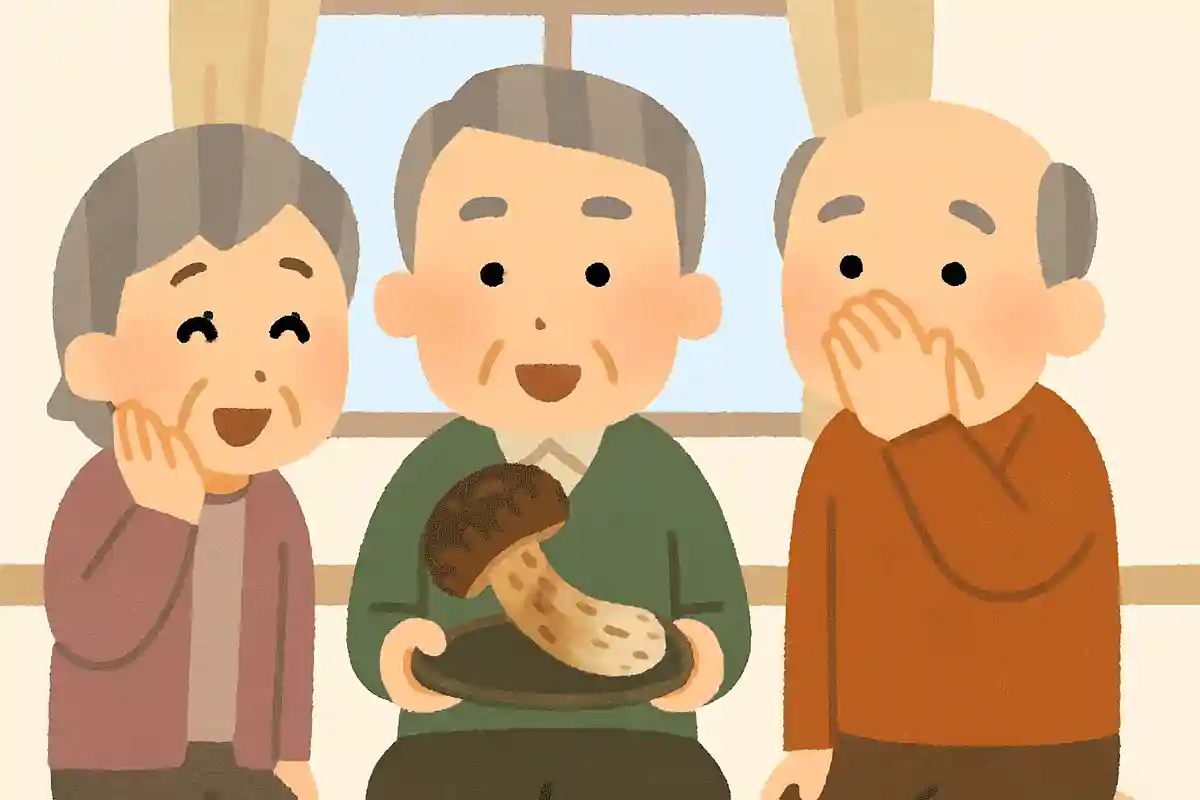
As autumn is known for whetting the appetite, many delicious foods that boost our cravings come into season.
Starting with rice, there are also Pacific saury, sweet potatoes, chestnuts, pears, and grapes, but the true king of autumn flavors is undoubtedly matsutake mushrooms.
As a luxury ingredient, matsutake aren’t something we can easily enjoy every day, and their greatest allure lies in their uniquely sweet aroma.
This fragrance is said to stimulate the appetite and have a calming effect, and in recent years, it has reportedly been found to be potentially effective in helping prevent cancer.
What was November called in Japan according to the old lunar calendar?
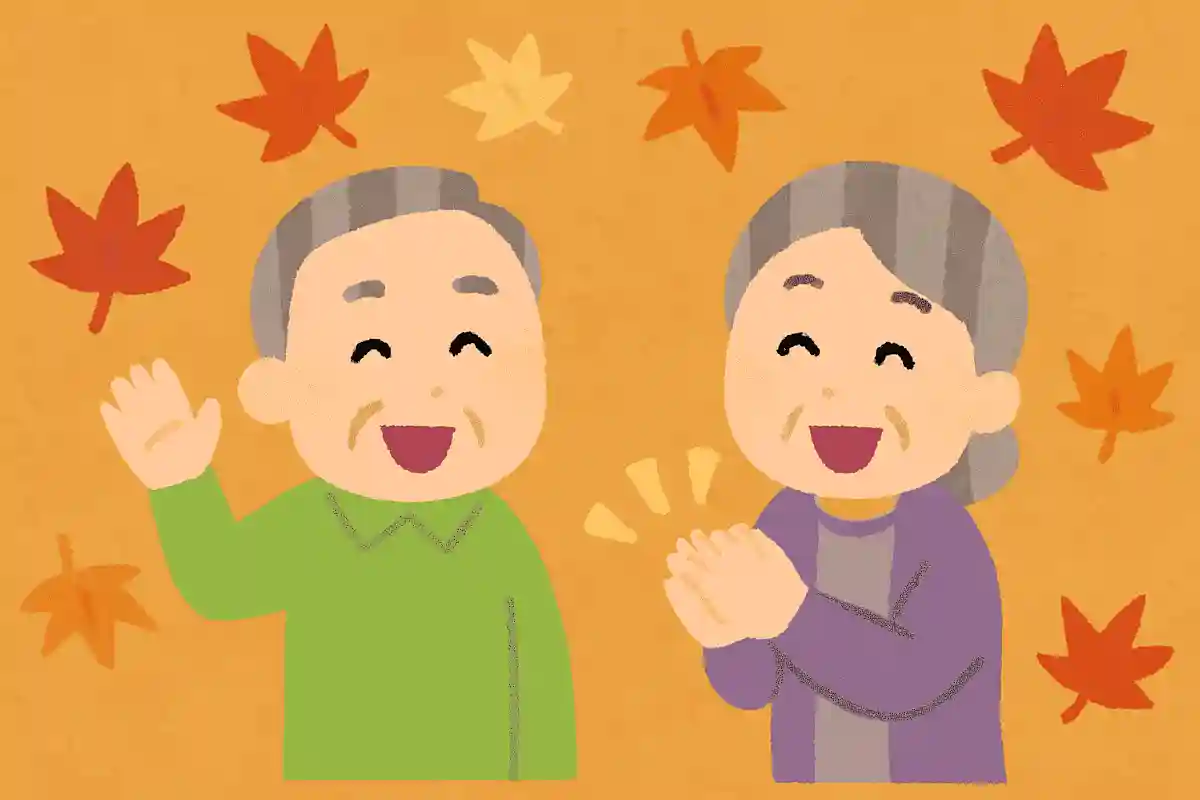
In Japan, there is a traditional set of names for the months known as “Wafū Getsumei” (Japanese-style month names).
In these alternative names, which are also used in works like the Manyōshū and Nihon Shoki, what is November called? In the old lunar calendar, the eleventh month corresponds roughly to late November through early January in the modern calendar, indicating that it is a time of full-fledged cold.
If you think about what you see in such a cold winter season, you might come up with the answer.
The answer is “Shimotsuki,” a name widely believed to refer to the season being cold enough for frost to form.

In a building at a tourist spot in Tokyo, an electric elevator was publicly unveiled for the first time in Japan. Which tourist spot was it?
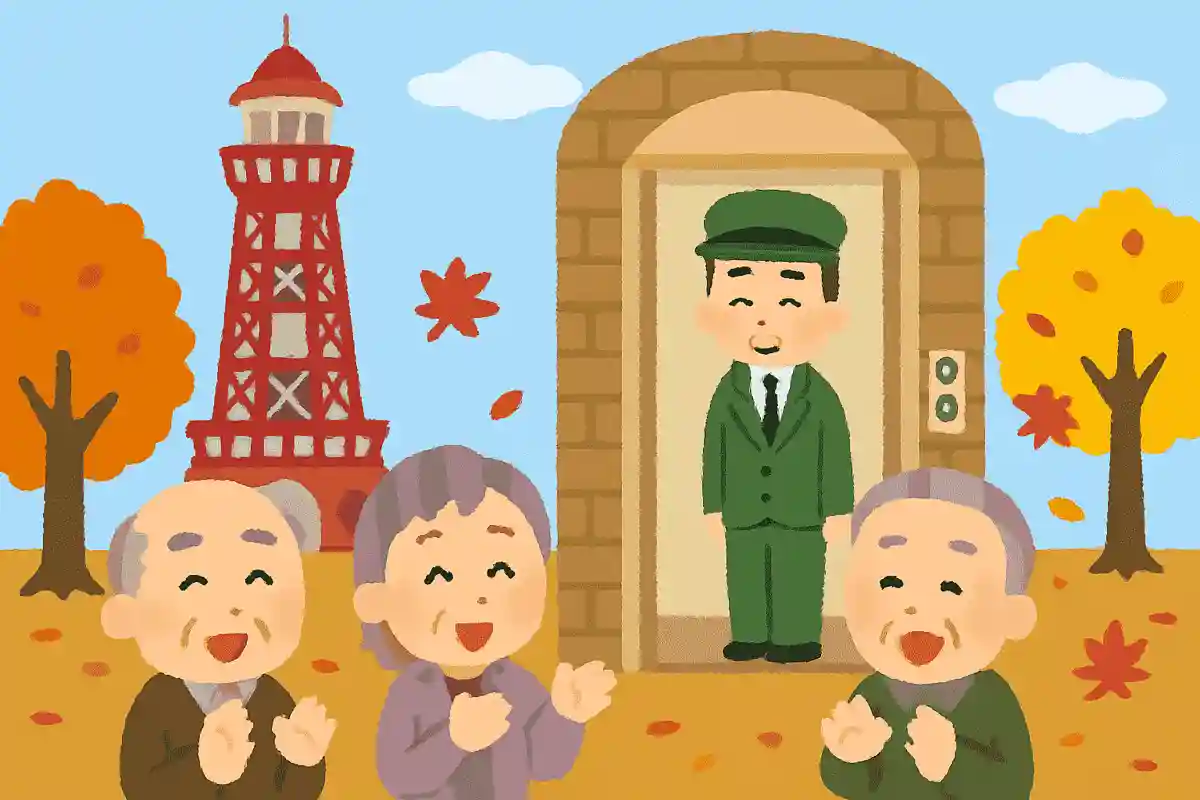
When heading to the upper floors of tall buildings, elevators are an indispensable means of getting there.
The electric elevator, which is now commonplace, was first unveiled in Japan at a certain tourist spot in Tokyo.
So, where was this tourist spot that marked a major step in history? Here’s a hint: it’s one of Tokyo’s traditional sightseeing areas, popular not only with Japanese people but also with visitors from abroad.
The answer is Asakusa.
It is said to have begun with the installation of an elevator in the Ryounkaku tower in Asakusa in 1890 (Meiji 23).
[For Senior Care Facilities] Lively and Fun! November Quiz (11–20)
The calendar we currently use is the solar calendar, but it was changed to the solar calendar in November of a certain era name. What was that era name?
On November 9, 1872 (Meiji 5), the Meiji government issued a proclamation abolishing the lunisolar calendar that had been used in Japan and adopting the solar (Gregorian) calendar.
Therefore, the answer to the quiz is “Meiji.” Because the new solar calendar was adopted, the day after December 2, Meiji 5 became January 1, Meiji 6.
In effect, the New Year arrived 28 days early—something that under normal circumstances might have sparked riots.
However, given the turmoil immediately following the Meiji Restoration, the new calendar may have been implemented despite its impact on people.

The Tori-no-Ichi is a festival held on the Days of the Rooster in November. What is the lucky charm, famous at this festival, that is used to pray for prosperous business and good fortune?
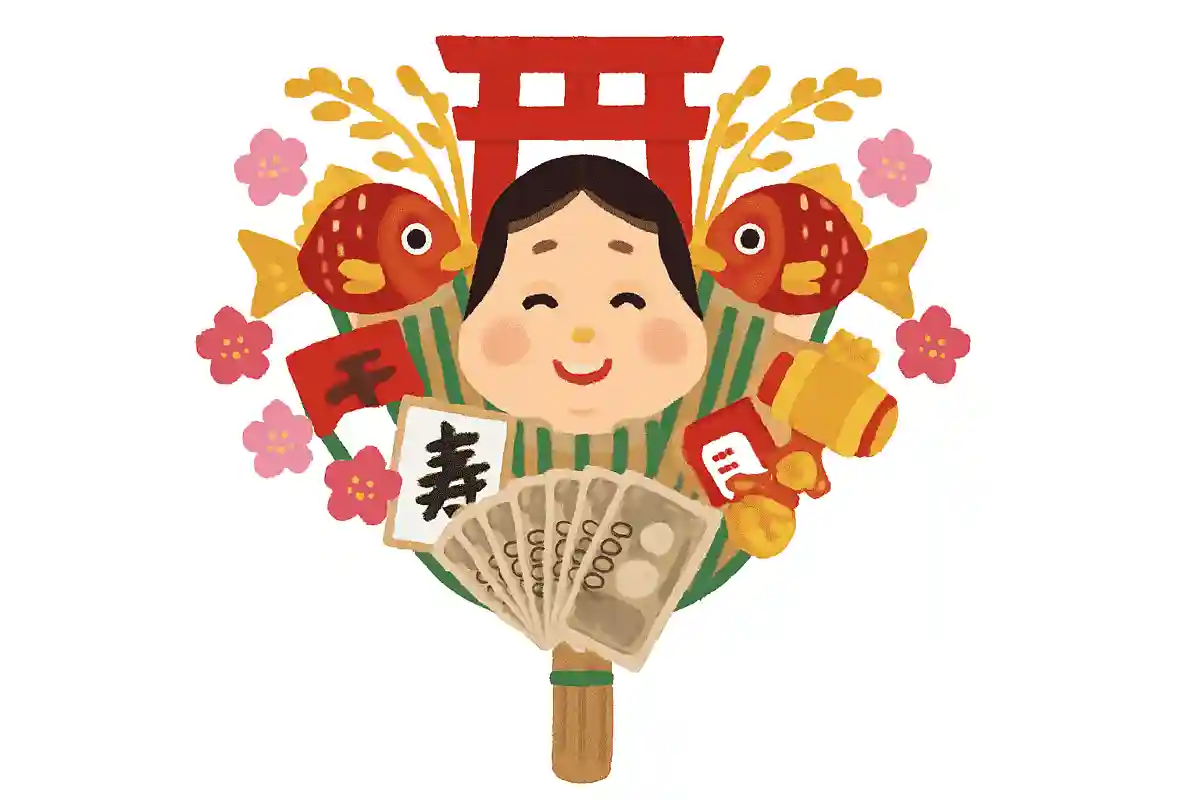
Tori-no-Ichi, held on the days of the rooster in November, is a festival centered in the Kanto region and cherished as an annual event at shrines associated with birds.
What is the lucky charm, famous at Tori-no-Ichi, that people buy to pray for prosperous business and good fortune at sea? It’s originally a tool used for cleaning—often associated with autumn for gathering fallen leaves.
The answer is the “kumade” (rake), a decorative charm imbued with the meaning of “raking in” good luck and wealth.
It’s said that buying a larger one than last year’s will lead to even greater business prosperity.
November 1 is the anniversary of a certain tea that is often drunk at home. What kind of tea is it?
November 1 is a commemorative day for a certain tea beloved even at home—can you guess which tea it is? It’s a traditional beverage cherished by a wide range of people, available in everything from casual varieties to high-end selections.
You might figure it out if you think not only of differences in the leaves but also of the depth of its preparation methods.
The answer is black tea.
“Black Tea Day” was established in 1983 by the Japan Tea Association.
The date commemorates the day Daikokuya Kodayu became the first Japanese person to drink black tea at a formal tea gathering abroad.
November 26 is Good Bath Day. Japanese people love public bathhouses and hot springs, but which prefecture in Japan has the largest number of public bathhouses?
Aomori Prefecture has the highest number of public baths in Japan.
It’s said that Aomori has 23 public baths per 100,000 people, the most in the country.
That’s 8.8 times the national average, and about 80% of its public baths use hot spring water.
Hot springs bubble up across the prefecture, including places like Sukayu Onsen and Asamushi Onsen.
Because of this, many locals keep a hot spring kit in their cars, and Aomori is known as a prefecture of bath lovers.
A morning bath culture has also taken root in Aomori, with public bathhouses opening early in the morning.