

Deep dive into the charms of Okinawa! A roundup of trivia and fun facts about Okinawa Prefecture

Okinawa Prefecture is warm year-round and a hugely popular destination beloved by Japanese people.
With its stunning nature, cuisine, and scenery distinct from the main islands, Okinawa is packed with charm—irresistible spots and experiences.
In this article, we’ll introduce trivia and fun facts about Okinawa, a place brimming with appeal.
You may discover customs completely different from those on the main islands and surprising facts—even frequent travelers to Okinawa might learn something new!
Enjoy these tidbits and trivia that will make you fall even more in love with Okinawa once you know them!
- A trivia quiz about Okinawa that makes you feel like you’re in a foreign country—even though it’s Japan.
- Not taught in school! A roundup of historical trivia and fun facts
- Useful right away in daily life! Surprising trivia and handy tips
- [Interesting Quiz about Okinawa] Introduction for Seniors!
- So interesting you’ll want to tell someone! December Trivia & Fun Facts Special
- Fun facts you’ll want to share! A special feature on November trivia and tidbits
- Popular Okinawan Songs Ranking [2026]
- [For Kids] November Trivia Quiz & Fun Facts: Let’s Learn While Having Fun!
- Trivia you think you know but surprisingly don’t? August trivia and fun facts quiz!
- Trivia and fun facts about food (summary)
- Fun facts you’ll want to share! January trivia and tidbits special
- A collection of trivia and fun facts about August that will warm your heart
- A classic song in the Okinawan dialect, Uchinaaguchi
Digging Deep into Okinawa’s Charms! A Collection of Trivia & Fun Facts about Okinawa Prefecture (1–10)
A shisa with its mouth open is male, and one with its mouth closed is female.
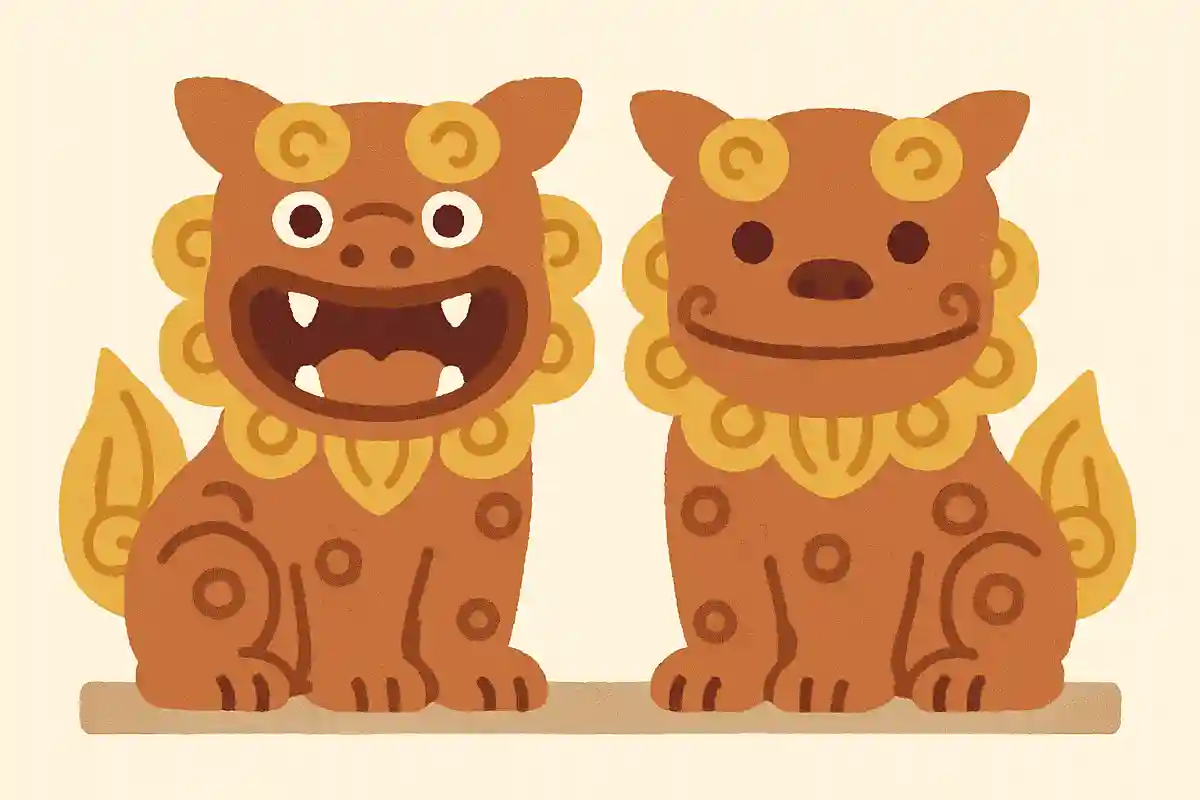
Shisa are lion-dog statues found in Okinawa, and they’re strongly associated with being placed on rooftops as talismans to ward off evil.
They are often displayed as a pair, typically one male and one female.
The male has his mouth open to drive away evil and simultaneously invite good fortune, while the female keeps her mouth closed to prevent that good fortune from escaping.
It’s a culture that developed uniquely while incorporating various elements, such as the Buddhist concept of A-un and the komainu guardian dogs commonly seen at Shinto shrines in Japan.

There is coffee roasted with weathered coral.

When you think of Okinawa, you think of its beautiful sea, and the coral there is an essential element that highlights that beauty.
There’s a coffee now being sold that’s roasted using weathered coral.
By using coral to raise the temperature properly and roasting slowly, it achieves a mellow flavor—one of its key selling points.
They use coral that has already died, and a portion of the proceeds goes toward coral restoration efforts, embodying a commitment to protecting coral and Okinawa’s future.
You can buy freshly made tofu at the supermarket.

When you think of tofu bought at a supermarket, you probably picture it chilled and packed in a container.
However, in Okinawa, freshly made, piping-hot tofu is sold right in supermarkets.
This tofu, known as shima-dōfu or achikōkō tofu, has a distinctive look because it’s sold in plastic bags to prevent trapped heat from making it mushy.
It’s a traditional food that reflects Okinawa’s history, where tofu was once made in households and eventually developed into a business.
Dive deep into the charms of Okinawa! A collection of trivia and fun facts about Okinawa Prefecture (11–20)
About 200 to 300 people will gather for the wedding reception.
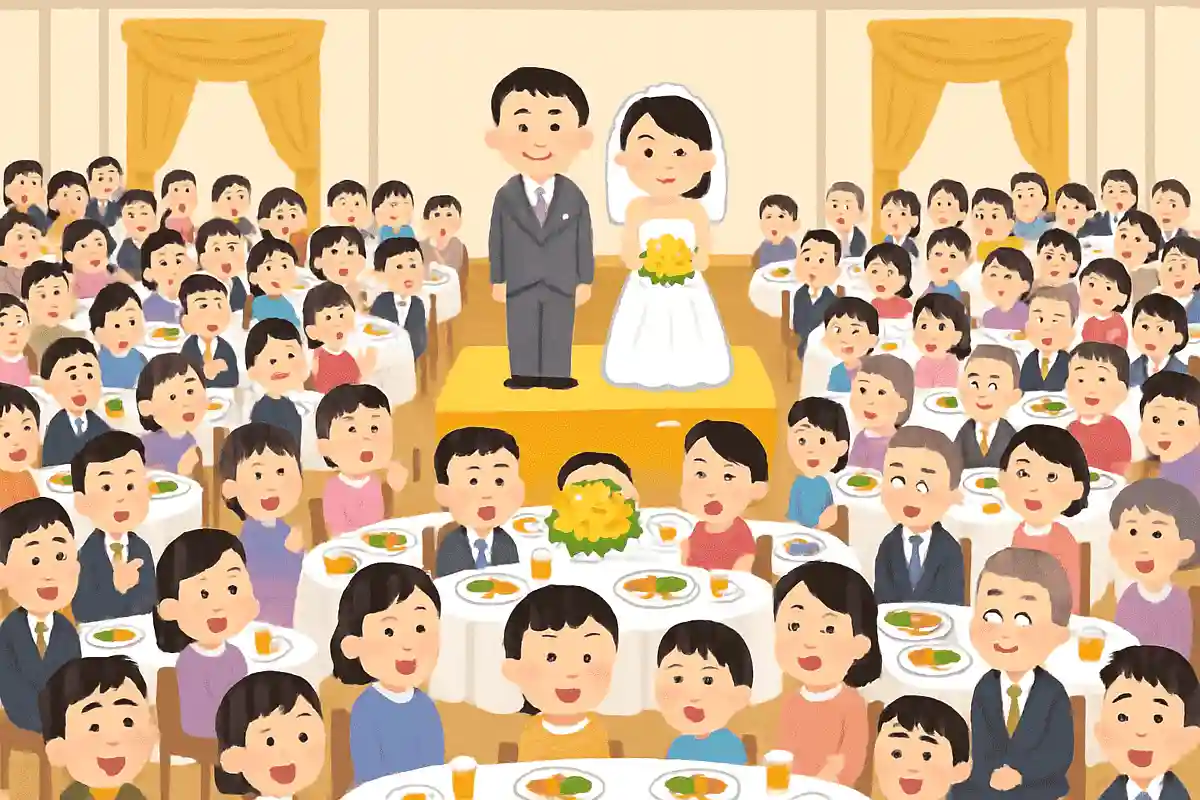
Okinawa is often seen as a place where people value personal connections.
One custom that reflects this emphasis on relationships is the wedding tradition, where as many as 200 to 300 guests gather.
People who are rarely invited in other regions—such as distant relatives, acquaintances of the couple’s parents, and neighbors—are all welcomed, making the wedding a grand, lively celebration.
Traditions like starting to drink as soon as everyone is seated and showcasing a wide variety of performances also reveal Okinawans’ love for fun.
Use a wet towel as a coaster at a restaurant
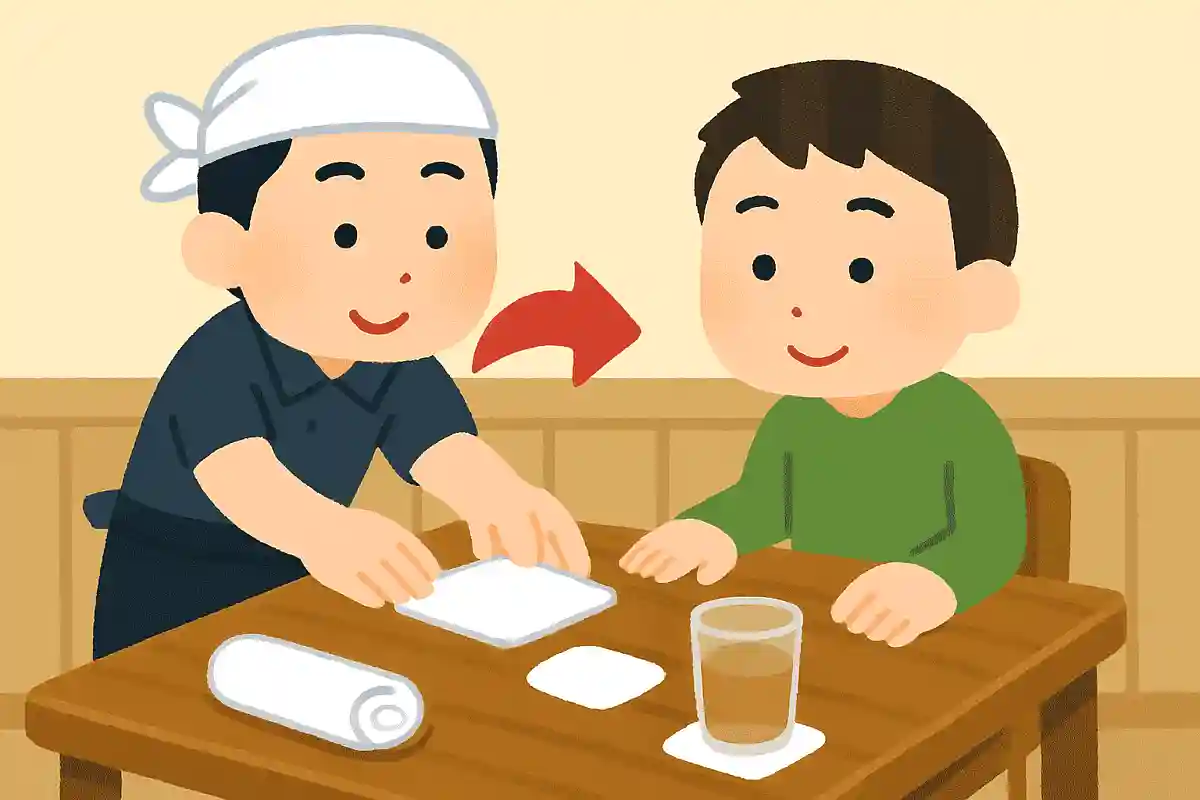
It’s quite common for restaurants to provide an oshibori (a wet hand towel).
Most people wipe their hands with it and put it back where it was.
However, people in Okinawa are said to place the oshibori under their glass and use it as a coaster.
It’s intriguing why this custom took root only in Okinawa, but the truth is unknown.
Incidentally, it’s mostly men who use it as a coaster, while women tend to roll it up and set it beside the glass.
That does feel a bit more refined than laying it flat, doesn’t it?

There are three types of shisa.
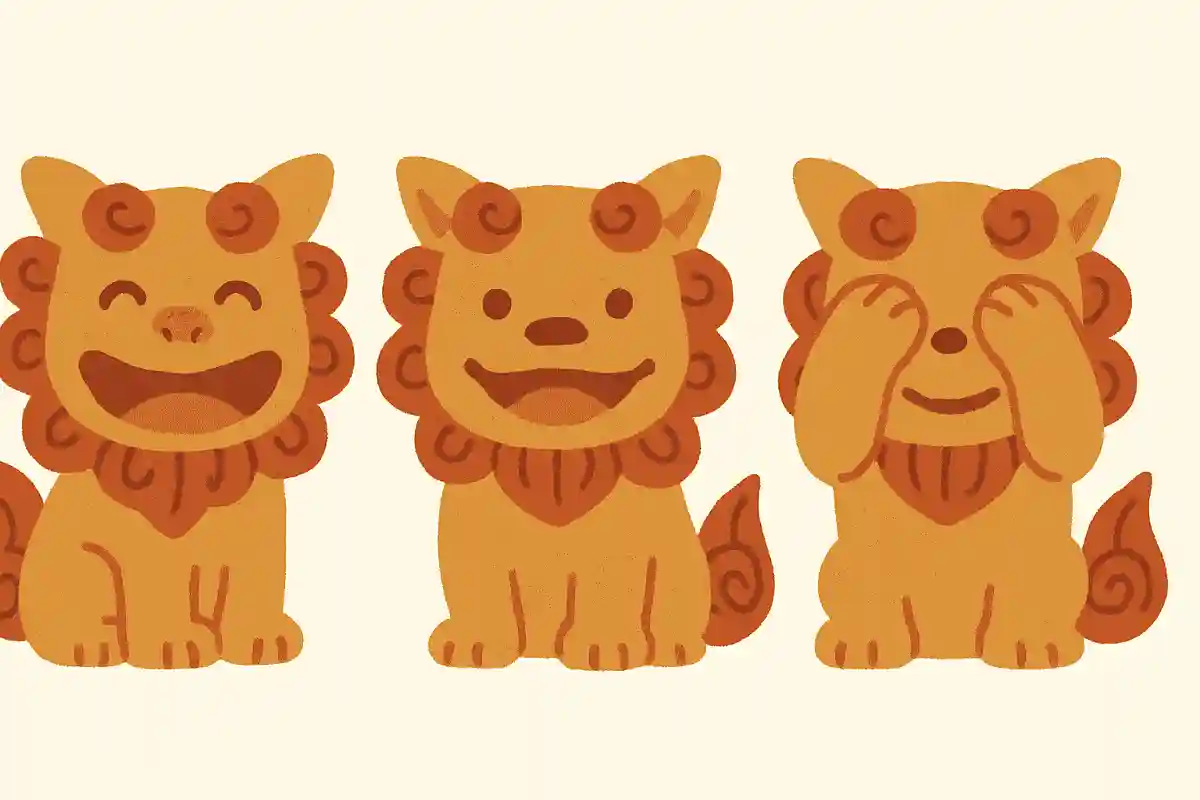
Shisa, which can be called a symbol of Okinawa, are figurines seen everywhere not only as mascots but also as talismans to ward off evil.
These shisa are classified into three types: palace shisa, village shisa, and household shisa.
Palace shisa embody the authority of the royal dynasty and are placed at royal mausoleums and temples.
Village shisa are installed at village entrances or on elevated spots to protect the community.
Household shisa are said to be the most recent, having come into use from the Meiji era as guardian deities for ordinary homes.
In Okinawa, New Year’s soba is “Okinawa soba.”

Eating toshikoshi soba on New Year’s Eve while wishing for a good year ahead is a traditional Japanese custom.
While Japanese soba is the standard for toshikoshi soba, in Okinawa people eat Okinawa soba instead.
In 1968, San Shokuhin began selling Okinawa soba specifically as toshikoshi soba, and from there the practice of seeing in the New Year with Okinawa soba spread throughout the prefecture.
The fact that people in Okinawa had few opportunities to eat Japanese soba likely helped Okinawa soba take root smoothly as the year-crossing noodle there.