


Okinawa Prefecture is warm year-round and a hugely popular destination beloved by Japanese people.
With its stunning nature, cuisine, and scenery distinct from the main islands, Okinawa is packed with charm—irresistible spots and experiences.
In this article, we’ll introduce trivia and fun facts about Okinawa, a place brimming with appeal.
You may discover customs completely different from those on the main islands and surprising facts—even frequent travelers to Okinawa might learn something new!
Enjoy these tidbits and trivia that will make you fall even more in love with Okinawa once you know them!
- A trivia quiz about Okinawa that makes you feel like you’re in a foreign country—even though it’s Japan.
- Not taught in school! A roundup of historical trivia and fun facts
- Useful right away in daily life! Surprising trivia and handy tips
- [Interesting Quiz about Okinawa] Introduction for Seniors!
- So interesting you’ll want to tell someone! December Trivia & Fun Facts Special
- Fun facts you’ll want to share! A special feature on November trivia and tidbits
- Popular Okinawan Songs Ranking [2026]
- [For Kids] November Trivia Quiz & Fun Facts: Let’s Learn While Having Fun!
- Trivia you think you know but surprisingly don’t? August trivia and fun facts quiz!
- Trivia and fun facts about food (summary)
- Fun facts you’ll want to share! January trivia and tidbits special
- A collection of trivia and fun facts about August that will warm your heart
- A classic song in the Okinawan dialect, Uchinaaguchi
Digging Deep into Okinawa’s Charms! A Collection of Trivia & Fun Facts about Okinawa Prefecture (1–10)
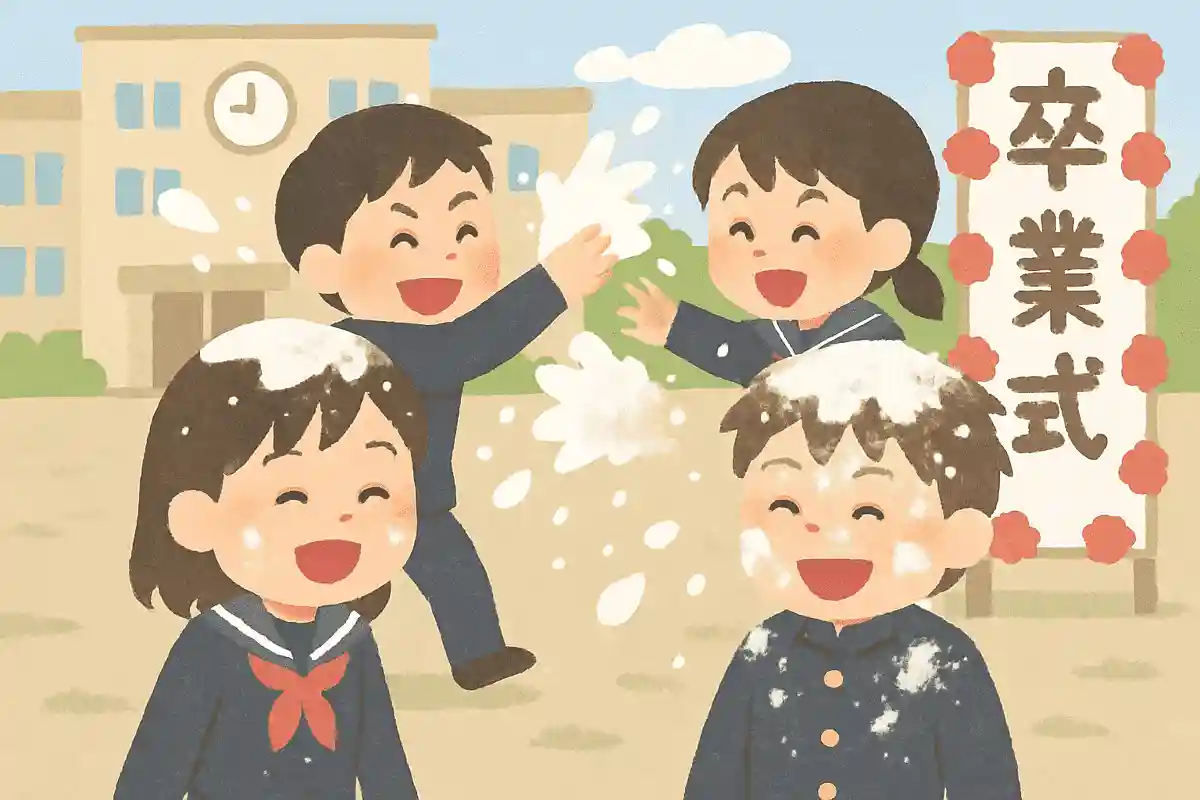
Throwing flour at each other at a junior high school graduation ceremony
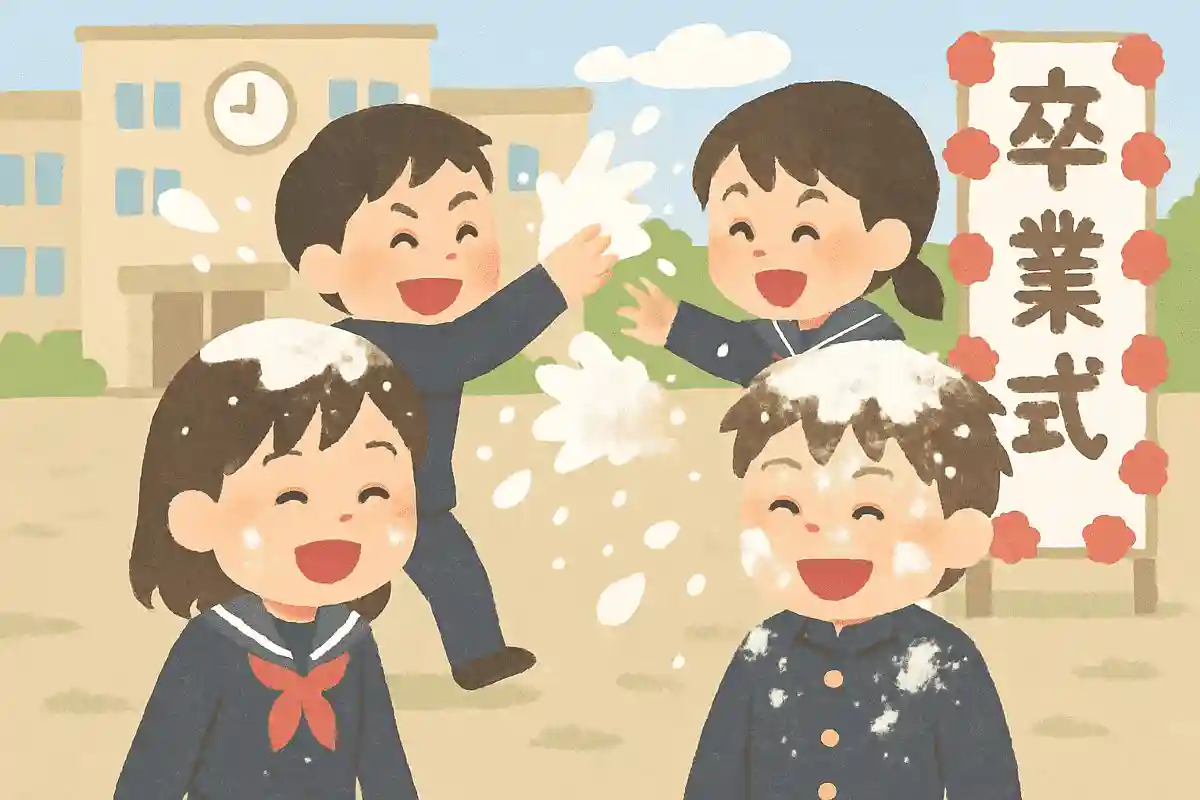
When you hear “graduation ceremony,” what kind of scene do you imagine? Most people probably picture a solemn atmosphere or moving interactions.
However, in some parts of Okinawa, it’s customary to throw flour at each other.
The reason is unclear, but it seems this behavior has been passed down mainly among delinquent youths.
Because of that, shops in Okinawa are said to ban the sale of flour to students as graduation approaches.
That said, there are also reports that this practice is now rarely carried out.

Yankees fight using the word “moo.”
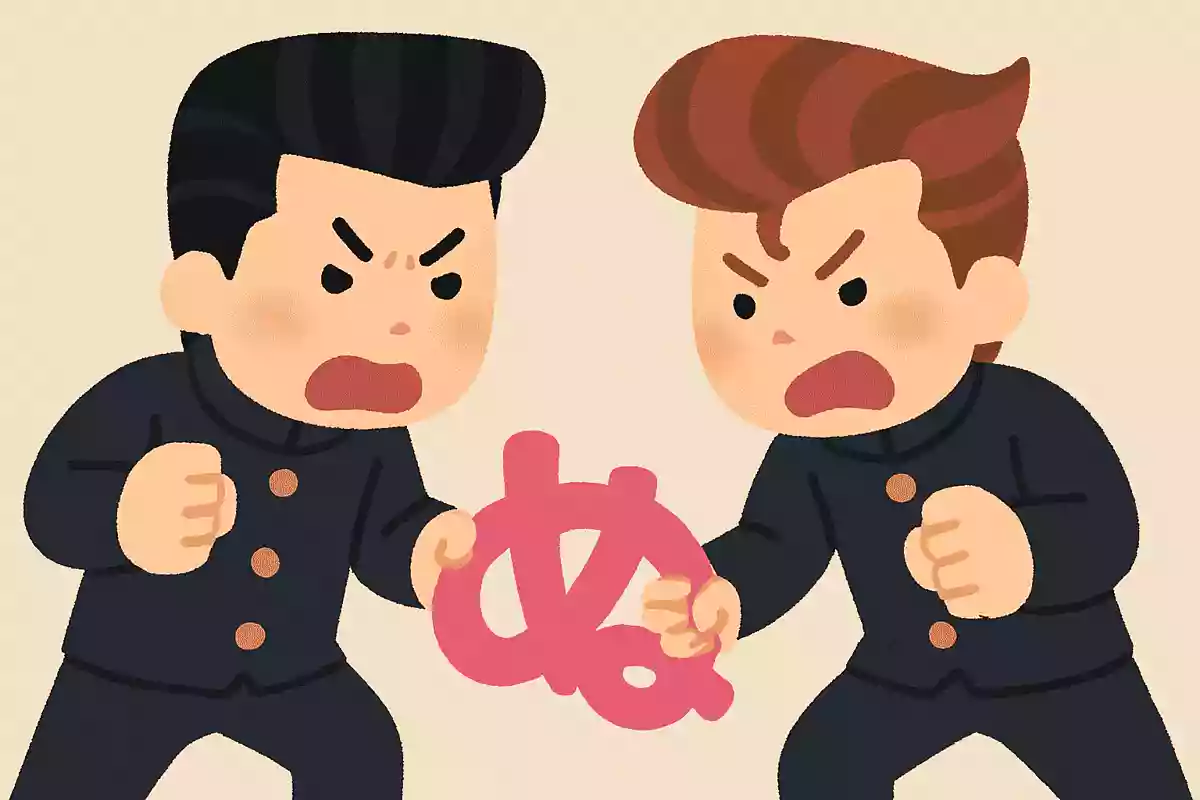
I’ve heard that delinquents pick fights using the word “nuu.” It’s a bit hard to picture, right? You can think of it as similar to the Tokyo “aaan,” which might get the idea across.
By raising or lowering the intonation on “nuu,” they convey different nuances.
By the way, it roughly translates to something like “What the hell?” It’s a pretty rude expression, so be careful not to use it even if you go to Okinawa.
Also, if someone says “nuu” to you, you should take it as a sign they’re in a bad mood.
Milk in Okinawa isn’t 1 liter; it’s 946 ml.
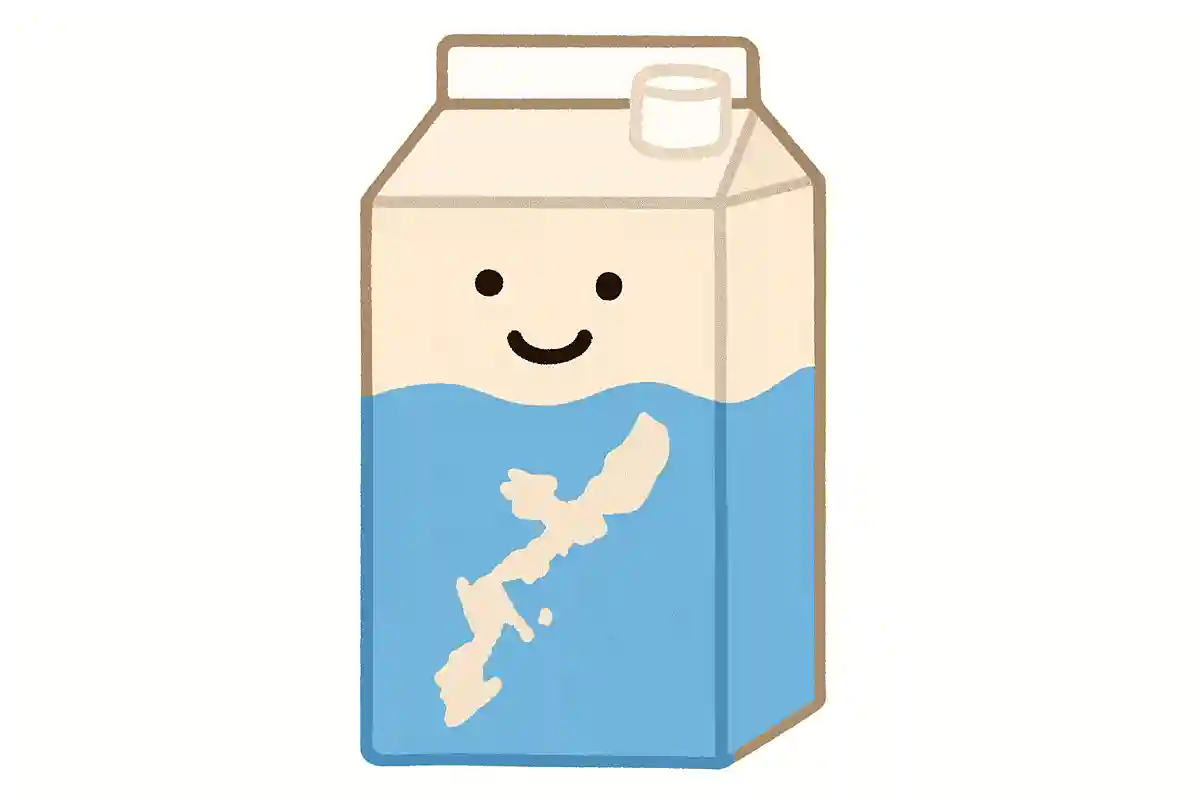
Milk cartons are generally 1 liter, right? However, I’ve heard that in Okinawa, milk cartons are labeled as 946 ml.
This is said to be a remnant of the long period of American administration, during which the imperial system was used instead of the metric system.
By the way, 946 ml is one quart, which is the closest to 1 liter, so it seems to have been adopted for that reason.
If you go to Okinawa, try checking it out.
Not just milk—cartoned cocoa and coffee should also be labeled 946 ml.
People in Okinawa don’t use umbrellas even when it rains.
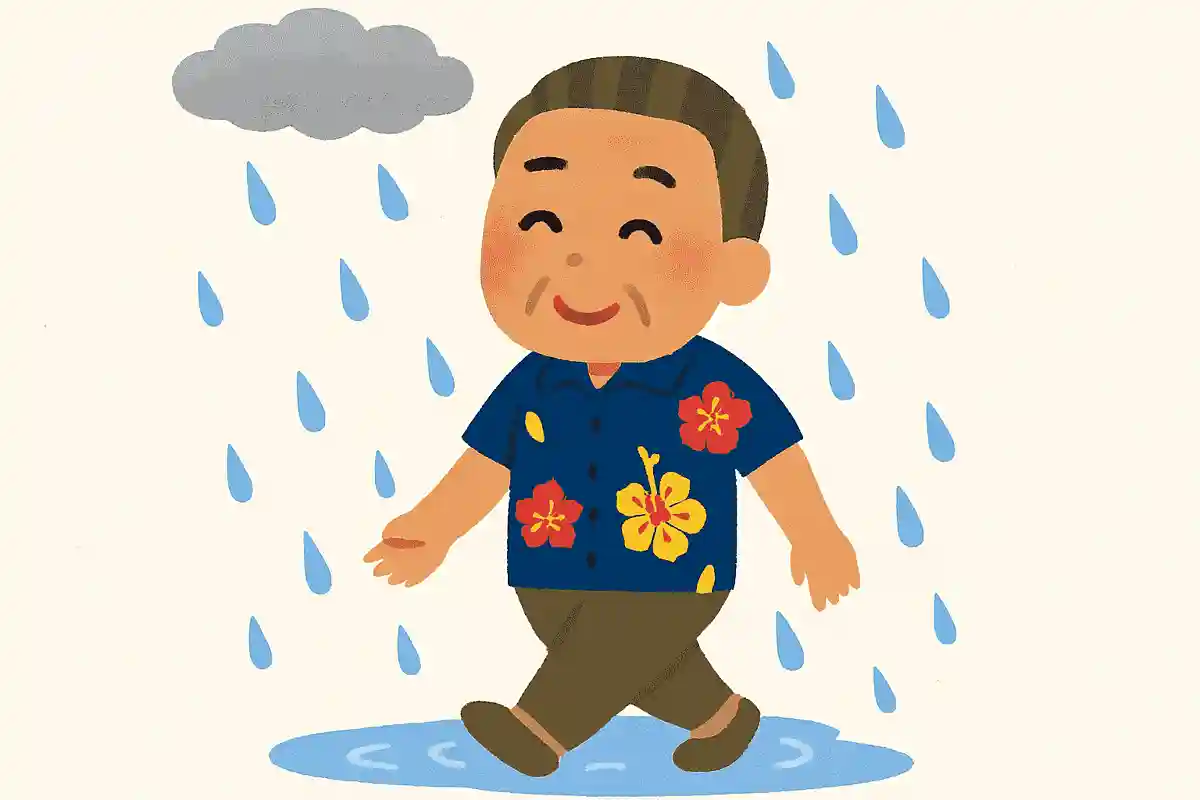
Okinawa is a popular seaside tourist destination, but it’s also an area that gets a lot of rain because it lies in the path of typhoons.
It’s said that people living in rainy Okinawa don’t often use umbrellas even when it’s raining.
That’s because the rain in Okinawa is like a squall—intense but brief—so the idea that it will stop quickly without needing an umbrella has taken root.
Another major reason may be the strong sea winds, which can easily break umbrellas even if you do open one.

I often get 2,000-yen bills from the ATM.
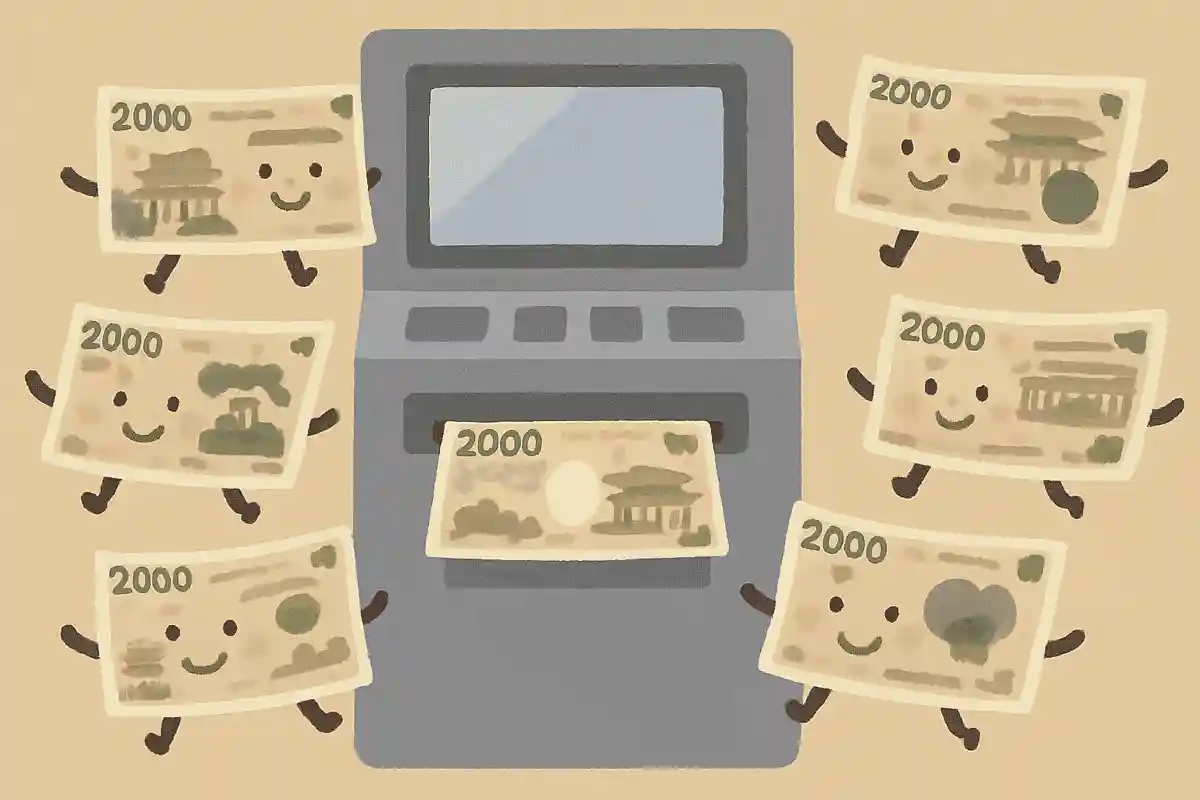
Although it is a current banknote, the 2,000-yen bill is rarely seen; it was issued around the time of the 2000 Okinawa Summit as a commemorative release.
Despite its reputation as a rarity, it actually circulates widely in Okinawa Prefecture.
Featuring Shuri Castle—an emblem of Okinawa—and having been issued to commemorate the Okinawa Summit, the note is thought to have gravitated back to Okinawa out of local pride and attachment.
Another cited reason is that during the period of American administration, people used the 20-dollar bill, which made them more accustomed than other regions to denominations based on the number 2.
People in Okinawa don’t swim in the sea very much.

When people think of Okinawa, many picture the ocean.
If you’re visiting as a tourist, you’ll probably want to go swimming or try some marine sports at least once.
Surprisingly, though, it’s said that locals in Okinawa hardly ever swim in the sea.
Reasons include that it’s too hot, there are many dangerous marine creatures, and quite a few people simply can’t swim.
That said, while they might not swim, they do often enjoy having barbecues by the beach.
And it’s true—a beach barbecue is something people of all ages can enjoy.
to hold a feast in front of a grave

Graveyards are sacred spaces where we remember and mourn the deceased.
However, it’s said that people in Okinawa hold feasts in front of graves.
And not just drinking—there’s dancing, singing, and even games, creating quite a lively atmosphere.
Why do they have feasts at graves? The reason is said to be “to enjoy together with the departed.” That sounds rather lovely, doesn’t it? By the way, along with the feast, there is also a custom of burning uchikabi, money that can be used in the afterlife.
This practice is said to have taken root from traditions brought over from China.