
[Special Feature on the Yo-na-nuki Scale] Hit Songs and Classics That Evoke Nostalgia and a Sense of Wa (Japanese Aesthetics)


The “yo-na-nuki” scale evokes quintessential Japanese sentiment and harmony.
The yo-na-nuki scale is a five-note scale that omits the fourth and seventh degrees, and it spread during the Meiji era as a stepping stone to familiarize people with Western music.
Despite its long history, this scale actually appears in music close to us—from massive hits everyone knows to the latest J-pop! In this article, we’ll introduce famous songs that use the yo-na-nuki scale effectively.
That song that feels somehow nostalgic, the one that draws you into its wistful atmosphere… The secret might just lie in the scale!
- [Japan] A collection of J-pop with a traditional Japanese (wa) vibe and Japanese-style taste
- A catchy tune that sounds familiar
- A nostalgic song—a timeless classic that somehow feels familiar and touches the heart.
- The nostalgic atmosphere tugs at your heartstrings. Tear-jerker songs from the Showa era.
- [Piano × J-POP] Tearjerker! A Selection of Moving/Touching Songs
- [Japanese-style Piano Pieces] A selection of recommended works with a pleasantly Japanese flavor
- [Gratitude, Encouragement, Memories] Tear-Jerking Graduation Songs You Can’t Listen to Without Crying [2026]
- [2026] Grabs Your Heart! Songs with Cool Intros. Classic Tracks with Electrifying Openings
- [April 2026] Trending songs: A roundup of the hottest, viral tracks right now
- J-POP to Play on Piano | A Curated Selection of Beautiful, Soul-Cleansing Ballads
- Recommended for the Yutori generation! Tear-jerking masterpieces from the J-pop scene
- Evokes the charm of the good old days. Showa-era inspirational songs that are still loved today.
- Nothing but masterpieces! Hit songs from the Reiwa era that are perfect for background music
[Special Feature on Yonanuki Scale] Hit and Classic Songs (11–20) That Evoke Nostalgia and a Sense of Japanese Aesthetics
laser beamPerfume

“Laser Beam” by the three-member dance-vocal group Perfume.
From the title and overall vibe, this song might not immediately feel traditional or nostalgic.
However, it also uses the yo-na-nuki scale as a subtle ingredient.
Composed by Yasutaka Nakata, it features his signature use of the yo-na-nuki scale.
While poppy and danceable, the melody is soothing and settles gently in the heart—a masterpiece that makes superb use of the yo-na-nuki scale.

Ninjari Ban Bankyarī pamyu pamyu

I think many of Yasutaka Nakata’s compositions have a distinctly “Japanese” feel that you can recognize after just one listen.
The melodies that give that intuitive sense of “Japanese-ness” are precisely those using the yo scale (yonanuki).
Among Kyary Pamyu Pamyu’s signature songs, “Ninjari Banban” especially conveys this.
It’s a masterpiece that skillfully layers the Japanese-style yo scale over dance music, and the secret behind Kyary Pamyu Pamyu’s rise from Japan to global success may well lie in the yo (yonanuki) scale.
Dancer in the NightSakanakushon
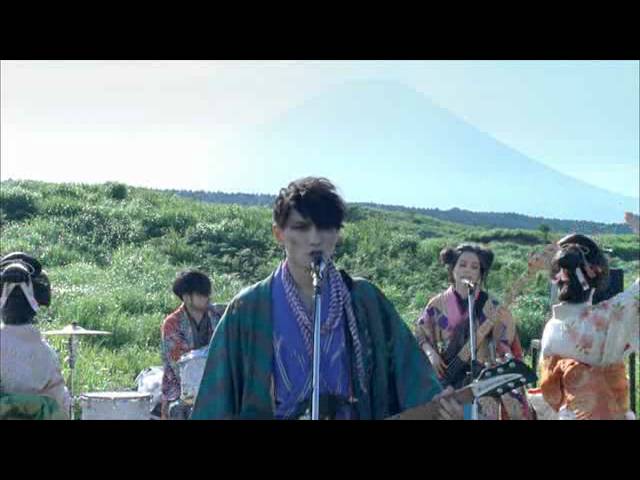
You can feel the Japanese flavor from the title of Sakanaction’s song “Yoru no Odoriko,” which riffs on “The Izu Dancer.” The opening section carries a nostalgic atmosphere, like an old Japanese children’s song.
At the same time, the track also has a cutting-edge, stylish vibe—no doubt thanks to the beat and the resonance of the synthesizers.
A dance tune built on the yonanuki scale—truly a dancer of the night.
The title and the musical character are perfectly aligned; it’s an unquestionably superb dance track.
Fortune Cookie in LoveAKB48
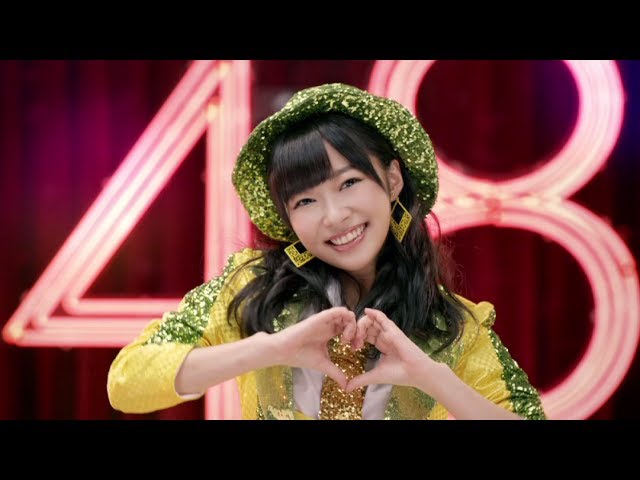
AKB48’s huge hit single “Koi Suru Fortune Cookie.” It’s a song that got tons of people dancing and really fired everyone up.
While it’s popular as a very poppy, approachable track, it’s also known for using the yonanuki (fourth-and-seventh-omitted) pentatonic scale.
The chorus employs the so-called “Canon progression,” a gentle and pleasant chord sequence, making it a killer tune that, with a casual smile, hits all the sweet spots of a J-pop hit song.
I look up as I walkSakamoto Kyu

When we Japanese listen to songs that use the yonanuki scale, what we tend to feel is “a sense of nostalgia,” isn’t it? And no wonder—many traditional Japanese tunes, such as folk songs and school songs, are based on the yonanuki scale.
A quintessential example is Kyu Sakamoto’s ‘Ue o Muite Arukō’ (known internationally as ‘Sukiyaki’), which also fits this category.
The strong Showa-era vibe and nostalgic atmosphere you feel when hearing this song come precisely from its use of the yonanuki scale.
It may well be the most representative example of a song in this scale.
Apply false eyelasheskyarī pamyu pamyu

Kyary Pamyu Pamyu’s signature song Tsukematsukeru is also a track that uses the yo-nanuki (pentatonic) scale often heard in Yasutaka Nakata’s productions.
True to its status as one of her representative songs, it’s a fun number with a catchy melody that even young children can enjoy singing.
Although it was released in 2012, many people can probably still sing it vividly today.
It may serve as a model for future J-pop songs that make use of the yo-nanuki scale.
[Special Feature on Yo-na-nuki Scales] Hit and classic songs (21–30) that evoke nostalgia and a Japanese vibe using the Yo-na-nuki scale
When cherry-blossom hues danceNakajima Mika
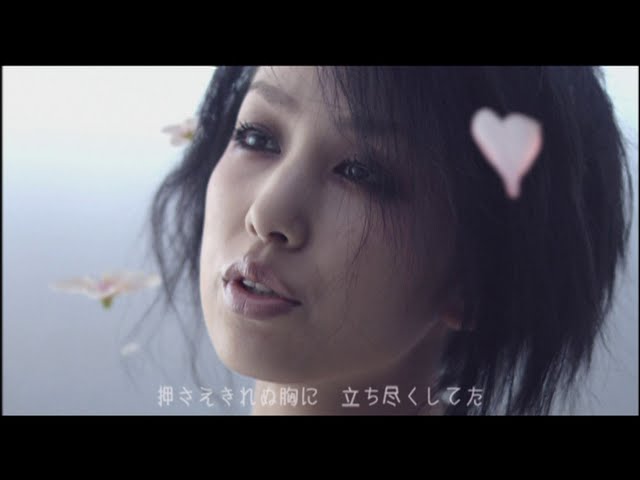
Mika Nakashima’s 14th single.
Written by singer-songwriter Minako Kawae, who was inspired by Nakashima’s voice and reportedly completed it in just one day, this song is notable for lyrics that depict the changing seasons and the inner landscapes of lovers.
It was released in February 2005 and is also included on the album “MUSIC.” Its yonanuki (pentatonic) melody, carried by piano and strings, beautifully expresses the spring scene of dancing cherry blossoms and a poignant sense of longing.
The nostalgic quality of traditional Japanese melody gently enfolds the melancholy of the season of parting, making it a quintessential ballad that symbolizes spring in Japan.