
[Special Feature on the Yo-na-nuki Scale] Hit Songs and Classics That Evoke Nostalgia and a Sense of Wa (Japanese Aesthetics)


The “yo-na-nuki” scale evokes quintessential Japanese sentiment and harmony.
The yo-na-nuki scale is a five-note scale that omits the fourth and seventh degrees, and it spread during the Meiji era as a stepping stone to familiarize people with Western music.
Despite its long history, this scale actually appears in music close to us—from massive hits everyone knows to the latest J-pop! In this article, we’ll introduce famous songs that use the yo-na-nuki scale effectively.
That song that feels somehow nostalgic, the one that draws you into its wistful atmosphere… The secret might just lie in the scale!
- [Japan] A collection of J-pop with a traditional Japanese (wa) vibe and Japanese-style taste
- A catchy tune that sounds familiar
- A nostalgic song—a timeless classic that somehow feels familiar and touches the heart.
- The nostalgic atmosphere tugs at your heartstrings. Tear-jerker songs from the Showa era.
- [Piano × J-POP] Tearjerker! A Selection of Moving/Touching Songs
- [Japanese-style Piano Pieces] A selection of recommended works with a pleasantly Japanese flavor
- [Gratitude, Encouragement, Memories] Tear-Jerking Graduation Songs You Can’t Listen to Without Crying [2026]
- [2026] Grabs Your Heart! Songs with Cool Intros. Classic Tracks with Electrifying Openings
- [April 2026] Trending songs: A roundup of the hottest, viral tracks right now
- J-POP to Play on Piano | A Curated Selection of Beautiful, Soul-Cleansing Ballads
- Recommended for the Yutori generation! Tear-jerking masterpieces from the J-pop scene
- Evokes the charm of the good old days. Showa-era inspirational songs that are still loved today.
- Nothing but masterpieces! Hit songs from the Reiwa era that are perfect for background music
[Special Feature on Yo-na-nuki Scales] Hit and classic songs (21–30) that evoke nostalgia and a Japanese vibe using the Yo-na-nuki scale
Tomorrow, when spring comesMatsu Takako

Not only has Takako Matsu shone as an actress in numerous TV dramas and films, but as a singer she has also captivated listeners with her clear, translucent voice—this is her debut single.
Included on the album “Sora no Kagami” (Mirror of the Sky), it also became familiar as the CM song for NTT’s “Wakuwaku New Life Campaign” and for “Pocky.” In fact, the melody’s use of the yonanuki scale—especially effective in the chorus—lends a poignant resonance to the mixed feelings of hope and anxiety that come with a new season.
Its subtly nostalgic Japanese timbre vividly evokes listeners’ own springtime memories, making it a song that reaffirms a universal warmth.
monsterYOASOBI

A track released digitally in January 2021 by the music duo YOASOBI, who enjoy immense support both in Japan and abroad.
Chosen as the opening theme for season 2 of the TV anime BEASTARS, the song features lyrics depicting inner conflict swaying between instinct and reason, paired with a dark, fast-paced sound that leaves a strong impression.
Amid its aggressive beats, a melody incorporating the yonanuki scale creates a catchy quality that resonates with Japanese listeners.
By fusing contemporary production with a traditional sense of scale, the song deepens the anime’s worldview and could be considered a new signature piece for YOASOBI.
FlowPerfume
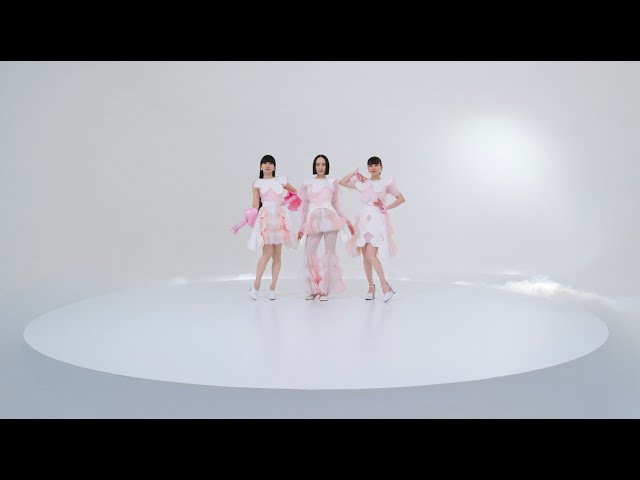
A track by Perfume, who are active worldwide with technopop at their core.
Written and composed by Yasutaka Nakata, it’s a number that portrays a freedom like clouds floating in the sky.
The future-bass sound and the pentatonic (yo-na-nuki) melody that surfaces in the chorus create a distinctive sense of weightlessness, wrapping listeners in a curious nostalgia.
Released as a single in March 2022, it was chosen as the theme song for TBS’s Tuesday drama “Fight Song.” Refined electronic tones blend with melodies that evoke a Japanese sensibility, resulting in a number that resonates with the ever-evolving message of the group.
The softness of the yo-na-nuki scale may be what gently accompanies hearts swayed by a changing era.
RaideenYellow Magic Orchestra

This is the second single by Yellow Magic Orchestra, the legendary group that brought Japanese technopop to the world.
Released in June 1980, it’s a track that has been used in numerous commercials and TV programs.
In 2007, the members reunited for a Kirin Beer commercial and performed this piece, which also drew attention.
While the music features futuristic electronic sounds, the melody composed by Yukihiro Takahashi actually incorporates the yo-nanuki (pentatonic) scale, evoking a certain nostalgic feel reminiscent of Japanese festival music.
The digital beat and Japanese sensibility blend beautifully, making it a timeless classic loved across generations.
globeYonezu Kenshi

A song by Kenshi Yonezu written as the theme for How Do You Live?, the film directed by Studio Ghibli’s Hayao Miyazaki.
It took about four years to produce and was released as a CD single in July 2023.
Interweaving deep respect for Miyazaki with Yonezu’s own outlook on life, the piece features a gentle sound centered on piano and strings.
Its simple melody, incorporating the yo scale, heightens a sense of nostalgia and poignancy.
The lyrics, depicting a figure who keeps moving forward over the rubble while bearing loss, pair perfectly with a melody imbued with Japanese sentiment, creating a masterpiece that touches listeners’ inner landscapes.
O-Shichi and the Night Cherry BlossomsSakamoto Fuyumi

A signature single by Fuyumi Sakamoto, who continues to lead the enka world.
Released in September 1994, it won the Composer’s Award at that year’s Japan Record Awards.
It has been performed multiple times on NHK’s Kōhaku Uta Gassen, leaving a powerful impression with its passionate lyrics themed around cherry blossoms and flames, and a melody in the yo scale set to an up-tempo 16-beat.
One could say that the reason it continues to be loved beyond the enka genre lies in its effective use of the yo scale, where traditional Japanese melodies and contemporary rhythms are beautifully harmonized.
a walk in the parkAmuro Namie

A classic produced by Tetsuya Komuro and sung by Namie Amuro.
It’s a comfortable track whose bittersweet yet gentle lyrics and groove conjure up the scene of walking through a winter park.
While it’s a sophisticated dance tune, the chorus melody actually incorporates the yo scale (pentatonic without the fourth and seventh), giving it a subtly nostalgic feel.
Released as a single in November 1996 and used in commercials for Hitachi Maxell’s UD series, this song could be considered one of Amuro’s signature tracks, where urban sounds blend with a distinctly Japanese pentatonic sensibility.