
[Special Feature on the Yo-na-nuki Scale] Hit Songs and Classics That Evoke Nostalgia and a Sense of Wa (Japanese Aesthetics)


The “yo-na-nuki” scale evokes quintessential Japanese sentiment and harmony.
The yo-na-nuki scale is a five-note scale that omits the fourth and seventh degrees, and it spread during the Meiji era as a stepping stone to familiarize people with Western music.
Despite its long history, this scale actually appears in music close to us—from massive hits everyone knows to the latest J-pop! In this article, we’ll introduce famous songs that use the yo-na-nuki scale effectively.
That song that feels somehow nostalgic, the one that draws you into its wistful atmosphere… The secret might just lie in the scale!
- [Japan] A collection of J-pop with a traditional Japanese (wa) vibe and Japanese-style taste
- A catchy tune that sounds familiar
- A nostalgic song—a timeless classic that somehow feels familiar and touches the heart.
- The nostalgic atmosphere tugs at your heartstrings. Tear-jerker songs from the Showa era.
- [Piano × J-POP] Tearjerker! A Selection of Moving/Touching Songs
- [Japanese-style Piano Pieces] A selection of recommended works with a pleasantly Japanese flavor
- [Gratitude, Encouragement, Memories] Tear-Jerking Graduation Songs You Can’t Listen to Without Crying [2026]
- [2026] Grabs Your Heart! Songs with Cool Intros. Classic Tracks with Electrifying Openings
- [May 2026] Trending Songs: A roundup of the hottest viral tracks right now
- J-POP to Play on Piano | A Curated Selection of Beautiful, Soul-Cleansing Ballads
- Recommended for the Yutori generation! Tear-jerking masterpieces from the J-pop scene
- Evokes the charm of the good old days. Showa-era inspirational songs that are still loved today.
- Nothing but masterpieces! Hit songs from the Reiwa era that are perfect for background music
[Special Feature on Yo-na-nuki Scales] Hit and classic songs (21–30) that evoke nostalgia and a Japanese vibe using the Yo-na-nuki scale
Hate tell a lieKahara Tomomi

This is the sixth single by Tomomi Kahala, a songstress who epitomized the J-POP scene of the 1990s.
Chosen as the CM song for Kanebo Cosmetics’ “Bronzelove,” it became a major hit alongside the commercial featuring Kahala herself.
While the driving, digitally infused sound produced by Tetsuya Komuro and her soaring vocals are striking, it’s also worth noting that the chorus melody incorporates the yo scale.
Perhaps the sense of nostalgia that peeks through the urban, sophisticated atmosphere stems from this scale, which resonates deeply with the Japanese sensibility.
keep yourself aliveKahara Tomomi

Released in September 1995 as her debut single, this is Tomomi Kahala’s memorable first track.
Produced by Tetsuya Komuro, it was also featured in a commercial for Japan Oracle.
While it sports an urban sound marked by a danceable beat and shimmering synthesizers, the melody—especially in the chorus—uses the pentatonic “yo” scale, creating a uniquely nostalgic quality that resonates with Japanese listeners.
By layering a sense of wa (Japanese essence) in the melody over the forward‑thinking track, Kahala’s delicate vocals at the time of her debut stand out even more, resulting in a number that leaves a strong impression on the listener.
[Feature on Yo-nanuki Scales] Hit and Classic Songs with Yo-nanuki Scales that Evoke Nostalgia and a Japanese Aesthetic (31–40)
Soap bubbleNagabuchi Tsuyoshi
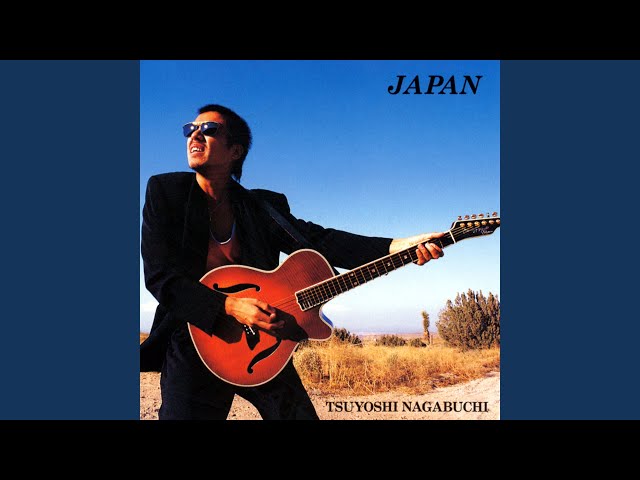
Tsuyoshi Nagabuchi’s 24th single, which became a million-seller, was produced as the theme song for the television drama of the same name in which he starred.
Released in October 1991, it is also included on the acclaimed album “JAPAN.” Characterized by a rugged folk-rock sound, the song depicts people doing their best to live while wounded in a corner of the city.
Notably, its melody throughout employs the yo scale (a pentatonic scale omitting the fourth and seventh degrees).
By embedding a distinctly Japanese five-tone scale within the acoustic guitar timbre and rock arrangement, the track evokes a powerful sense of melancholy and nostalgia.
The strong will to keep pursuing one’s dreams despite vulnerability resonates all the more deeply with Japanese listeners through the yo-scale sonority that strikes a cultural chord.
Racing into the NightYOASOBI

This is the first digital-only single by YOASOBI, a male-female duo that became indispensable when talking about the J-POP scene in 2020.
With a piano phrase that conveys both speed and tension, and a complex, VOCALOID-like melody that feels distinctly modern, this debut track has already become one of YOASOBI’s signature songs.
While the song presents a fresh, contemporary sound, its blend of the pentatonic “yonanuki” scale and the standard diatonic scale creates a unique sense of nostalgia—likely a key reason for its massive success.
The way the scale shifts in step with the lyrics’ storyline draws listeners deeper into the song’s world, so pay special attention to those scale changes as you listen.

SubaruTanimura Shinji

Subaru is a song released in 1980 as a solo work by Shinji Tanimura of the new music band Alice.
There are many songs that use the yonanuki (pentatonic) scale, each revealing different facets, but this piece in particular gives a distinctly nostalgic impression.
Released in the midst of the Showa era and becoming a massive hit, it stands as a representative number of that time—many people say it brings back memories of that era when they hear it.
It is a masterpiece that magnificently captures the sentiment of its age and proclaims it in a soaring voice.

motion sickness from proximitywanuka

A song by Wanuka, a current university student singer-songwriter who suddenly appeared on SNS like TikTok and YouTube and quickly gained popularity.
With its addictive shuffle beat and pentatonic “yo” scale, the song has a unique melody and atmosphere that makes you want to sway as you listen.
The sensual lyrics and the melody using the traditional Japanese yo scale conjure vivid scenes and pull you into its world.
It also has a pleasantly folk-like resonance—a tune that lingers in the ears of Japanese listeners.
Don’t Look Back In AngerOasis

The yo-na-nuki scale is made up of five notes, created by removing the 4th and 7th degrees from the basic scale.
“Yo-na-nuki” is the Japanese term, while overseas it’s called the pentatonic scale.
Oasis’s Don’t Look Back in Anger is a legendary UK rock anthem, and it also uses this scale! However, it doesn’t end up sounding like Japanese enka thanks to elements like the eighth-note rock beat, the feel of the English lyrics, and the overall rock sound.
Indeed, behind many beloved, catchy melodies, you’ll often find the yo-na-nuki (pentatonic) scale.