
[Special Feature on the Yo-na-nuki Scale] Hit Songs and Classics That Evoke Nostalgia and a Sense of Wa (Japanese Aesthetics)


The “yo-na-nuki” scale evokes quintessential Japanese sentiment and harmony.
The yo-na-nuki scale is a five-note scale that omits the fourth and seventh degrees, and it spread during the Meiji era as a stepping stone to familiarize people with Western music.
Despite its long history, this scale actually appears in music close to us—from massive hits everyone knows to the latest J-pop! In this article, we’ll introduce famous songs that use the yo-na-nuki scale effectively.
That song that feels somehow nostalgic, the one that draws you into its wistful atmosphere… The secret might just lie in the scale!
- [Japan] A collection of J-pop with a traditional Japanese (wa) vibe and Japanese-style taste
- A catchy tune that sounds familiar
- A nostalgic song—a timeless classic that somehow feels familiar and touches the heart.
- The nostalgic atmosphere tugs at your heartstrings. Tear-jerker songs from the Showa era.
- [Piano × J-POP] Tearjerker! A Selection of Moving/Touching Songs
- [Japanese-style Piano Pieces] A selection of recommended works with a pleasantly Japanese flavor
- [Gratitude, Encouragement, Memories] Tear-Jerking Graduation Songs You Can’t Listen to Without Crying [2026]
- [2026] Grabs Your Heart! Songs with Cool Intros. Classic Tracks with Electrifying Openings
- [May 2026] Trending Songs: A roundup of the hottest viral tracks right now
- J-POP to Play on Piano | A Curated Selection of Beautiful, Soul-Cleansing Ballads
- Recommended for the Yutori generation! Tear-jerking masterpieces from the J-pop scene
- Evokes the charm of the good old days. Showa-era inspirational songs that are still loved today.
- Nothing but masterpieces! Hit songs from the Reiwa era that are perfect for background music
[Special Feature on Yo-na-nuki Scale] Hit and Classic Songs (41–50) That Evoke Nostalgia and a Sense of Wa (Japanese Aesthetics) with the Yo-na-nuki Scale
When I Was Your ManBruno Mars
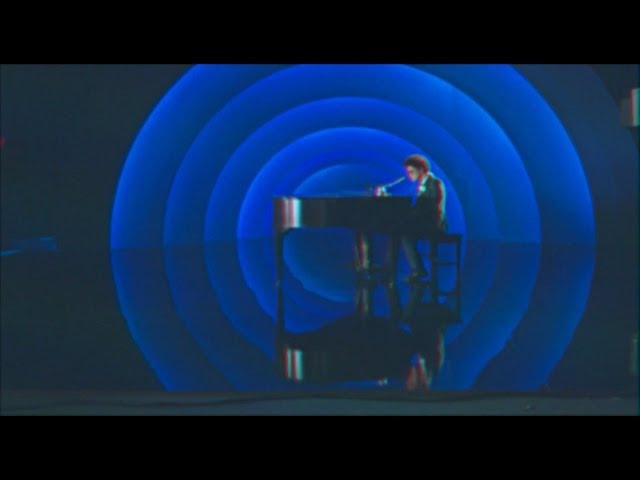
Bruno Mars’s classic “When I Was Your Man”—I was surprised too—but this heartbreakingly resonant song actually uses the yo-nanuki (pentatonic) scale.
It’s a piano-and-vocal number that Bruno sings with great emotion, and the approachable melody that matches the song’s relaxed tempo is exactly the hallmark of the yo-nanuki scale.
The yo-nanuki scale is used quite a lot in music from overseas as well, and if you look into it, I think you’ll find plenty of surprising examples like this one!

In conclusion
When you realize that the melody you’ve been casually humming is actually built on the traditional yo scale (yonanuki onkai), the way you hear it changes dramatically. Now that you know the secret behind its nostalgic, warm resonance, try savoring one of your favorite songs anew. Your enjoyment of music is sure to broaden once again.