

[For Elementary Schools] A Collection of Recommended Booths and Recreation Ideas for Cultural Festivals


One of the events elementary school students look forward to is the cultural festival.
Sometimes it’s held under a unique name like “Friendship Festival” or includes the school’s name as in “◯◯ Showcase.”
This article is perfect for an elementary school cultural festival!
It introduces activities and recreations that the whole class can enjoy together.
You’ll find a variety of ideas—from performances you can do in the classroom to recreations suited for larger spaces like the gym or school grounds.
If you’re having trouble deciding on an idea, feel free to use these as a reference.
- [For Kids] Fun Entertainment and Activities to Liven Up a Festival
- Stand Out at the School Festival! A Collection of Unusual Ideas You Can Do at School and in the Classroom
- Cultural Festival: Ranking of Popular Booth Ideas
- [Elementary School Rec] Recommended Games and Performances for a Fun Party
- Non-food attractions for school festivals! A collection of hands-on ideas that will get everyone excited
- Games that liven up festivals. Ideas that children can enjoy.
- Performances that liven up an elementary school thank-you party! A collection of ideas everyone can enjoy
- Easy and no cooking required! A collection of menu ideas to liven up your school festival food stall
- A roundup of recreational activities to liven up cultural and school festivals
- Turn your culture festival classroom into a theme park! A collection of handmade mini-game ideas
- [For Kids] Today's Recommended Recreation Idea Collection
- [For High School Students] A roundup of recommended attractions for the school festival
- Attractions for the school festival! Turn your school and classrooms into a theme park with interactive exhibits
[For Elementary Schools] Recommended Booths and Recreation Ideas for Cultural Festivals (51–60)
domino toppling

Let’s try doing a domino toppling like the ones you often see on TV! Setting up the dominoes takes patience, but it’s also fun to plan the letters or pictures that will appear when they fall, isn’t it? How about creating something that suits your class? Lining them up is a tough, seemingly endless task, but that too will surely become a wonderful memory.

Making a hand spinner

This is a recreational activity where we make hand spinners in the classroom.
The staff will give a lesson on how to make them and help everyone until they finish.
Since they can be made out of paper, I think even small children will enjoy it.
Beigoma (spinning top)

How about incorporating traditional Japanese games into your booths for a school or cultural festival? For example, with beigoma, people of all ages can play together.
Beigoma is a game where you spin small iron tops without axles on a platform and compete to see whose top keeps spinning the longest.
Since several people spin their tops on the same platform, the tops naturally collide.
Staying on the platform without being knocked off is another key to winning.
Because of this, there are several ways to wind the string for beigoma.
It’s likely to create a friendly atmosphere where everyone teaches each other how to wind the string and shares tips on throwing.
Menko Tournament

This is a recreational activity where participants can experience the traditional game “menko.” We’ll set up a corner where you can make your own handmade menko, and once yours is ready, you can try a knockout-style tournament using your creation! Alternatively, we can flexibly adapt the activity—for example, focusing mainly on playing menko, or offering only the menko-making experience.
It might also be a good idea to let participants choose which experience they want and divide them into separate booths accordingly.
[For Elementary Schools] Recommended Booths and Recreation Ideas for the Cultural Festival (61–70)
Resin Workshop

Resin is a type of plastic used to make accessories and keychains, and there are two types: epoxy resin, which hardens by mixing two liquids, and UV resin, which hardens when exposed to ultraviolet light.
The appeal of resin is that, depending on your ideas, you can create a variety of pieces by adding color, pouring it into molds, and embedding flowers or beads.
However, it may feel a bit challenging for first-timers.
So, how about planning a hands-on resin crafting activity as a cultural festival attraction? Learn in advance how to handle resin and how to make the pieces, and be prepared to give participants a proper tutorial on the day!

Dance in costume
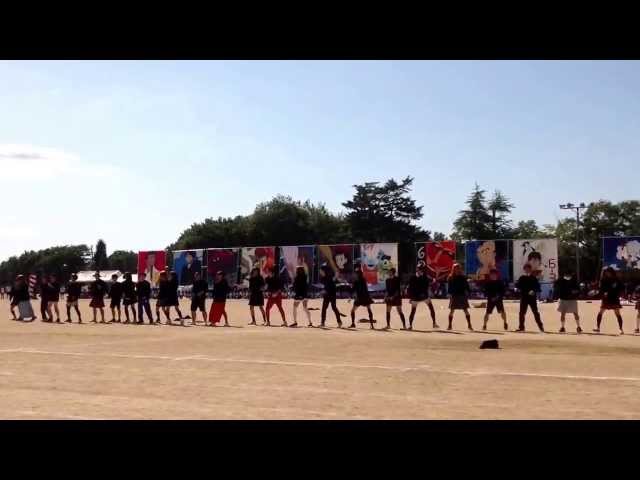
Dance has become a popular act at recent school culture festivals and fairs, hasn’t it? It’s really moving when girls who don’t usually dance work hard and perform.
If the music and lighting are spot on, you can even forget you’re at school.
Dancing normally is fun, but how about adding a twist by performing in costume? Girls dressing as boys or boys dressing as girls is sure to be a big hit.
A performance where someone dances coolly wearing a mask like Tiger Mask and then reveals their identity afterward is a great idea, too.
Whether you’re clumsy or skilled, dance is something everyone can enjoy together—it’s one of the acts I highly recommend!
Instrumental ensemble

If your whole class wants to put on a presentation together, how about trying an instrumental ensemble? Those of you in the upper grades have probably done it a few times already, but since this is a special opportunity, try picking a slightly more challenging piece from among your favorite songs.
Of course, the practice will be tough, but the thrill when the music comes together beautifully is truly amazing, and working as a group on a single piece will become a wonderful memory.
It won’t succeed without unity, so I think it will also be a great chance to improve communication.
