

[Rameau’s Piano Pieces] A curated selection of harpsichord works by a Baroque master

Jean-Philippe Rameau, a composer born in France in 1683.
It is said that he was familiar with music from an early age because his father was an organist, and he is especially known for leaving many works for the harpsichord.
In this article, we have carefully selected harpsichord pieces by Rameau that are also beloved today in piano performance.
We will introduce them along with the background of their composition and videos of piano performances.
If you want to master the performance practice of Baroque works or simply love music from the Baroque era, be sure to check it out.
- [Rameau’s Piano Pieces] A curated selection of harpsichord works by a Baroque master
- Baroque Music on the Piano: A Curated Selection of Masterpieces Perfect for Recitals and Concerts
- Piano Pieces by Lully: Masterworks by a Composer Favored by the King of France
- [Couperin’s Piano Works] Introducing Masterpieces Left by a Renowned Keyboard Virtuoso of the Baroque Era
- [Easier Level] Ravel’s Piano Pieces | A curated selection of easier works you can play smoothly!
- [Handel's Piano Pieces] A selection of famous works by the Baroque master
- [Franck’s Piano Works] A curated selection of gem-like masterpieces by the Father of Modern Music
- Sviatoslav Richter: Treasured piano pieces loved by the legendary pianist
- [Fauré] Lower Difficulty! Recommended Piano Pieces by a Master of French Music
- Piano Pieces by Ibert: Gem-like Masterworks by a 20th-Century French Composer
- A masterpiece by Jean-Philippe Rameau. Popular classical music.
- Scarlatti’s Piano Pieces: Baroque Masterpieces Left by the Maestro of Keyboard Sonatas
- [Poulenc’s Piano Works] A Curated Selection of Masterpieces by a Composer of Esprit
[Rameau’s Piano Pieces] A Curated Selection of the Harpsichord Works Left by a Baroque Master (1–10)
Crown PrincessJean-Philippe Rameau
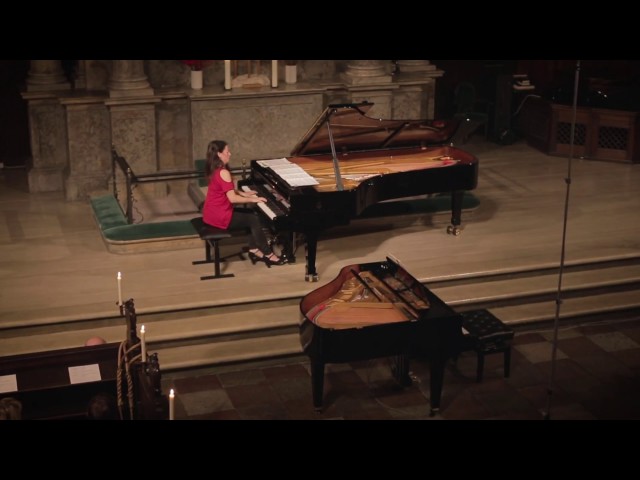
Jean-Philippe Rameau, a composer of the French Baroque period, achieved particular success in opera, and his theoretical treatise, Traité de l’harmonie, stands as a major contribution.
His harpsichord piece La Princesse de Conti is a highly narrative work that depicts a complex web of romantic relationships.
Within its brilliant dance-like character, wistful melodies and rich, weighty harmonies are interwoven, offering a vivid sense of the characters’ inner emotions.
It is a piece brimming with Rameau’s distinctive appeal—highly recommended for those who wish to study Baroque music or take on a work with strong storytelling.
Minuet in C majorJean-Philippe Rameau

Jean-Philippe Rameau, a composer and music theorist who epitomizes France’s Baroque era.
Immersed in music from an early age, Rameau left numerous works for the harpsichord, and after the age of forty he also achieved remarkable success in opera.
Among his works, the Minuet in C major, written for harpsichord, is an educational piece popular as technical training.
Its bright, cheerful melody and flowing lines are appealing, making it ideal for developing right-hand technique.
It’s a recommended piece for beginners looking to take on an introduction to Baroque music.
Harpsichord Pieces and Fingerings, No. 2 (Third Suite), No. 8: “The One-Eyed Giant”Jean-Philippe Rameau

Jean-Philippe Rameau, a French composer, is one of the leading musicians of the late Baroque period.
“The Cyclops,” the eighth piece in his Pièces de clavecin avec une méthode (Second Book; Third Suite), is a virtuosic and striking work that sonically depicts the monstrous figure from Greek mythology.
Characterized by toccata-like repeated notes and leaping melodies, it demands a high level of technical skill from the performer.
Why not try performing it with attention to the Baroque-specific ornaments and harmonies?
Rameau’s Keyboard Pieces: A Curated Selection of the Harpsichord Works Left by a Baroque Master (11–20)
New Harpsichord Suite No. 2 (Suite No. 5), No. 7 “Savages”Jean-Philippe Rameau

Among the harpsichord works left by the Baroque master Jean-Philippe Rameau, one piece especially beloved by modern pianists is The Savages from his New Suite in A Minor (Nouvelles Suites de Pièces de Clavecin).
Reflecting the exoticism that fascinated Europe at the time, the piece at times expresses a raw, primitive sensibility in musical form.
With its pronounced rhythmic character, it exemplifies features of Baroque music while vividly conveying Rameau’s spirit of musical exploration and the social and cultural currents of his era.
Pièces de clavecin and Fingering, No. 1 (Second Suite), No. 5: “The Chirping of Birds”Jean-Philippe Rameau

Jean-Philippe Rameau, born in France in 1683, made significant contributions to the development of Baroque music.
Pièces de clavecin avec une méthode is one of Rameau’s important harpsichord collections and consists of three volumes.
The piece The Warbling of the Birds, included in the Second Suite of the First Book, is a beautiful work that skillfully depicts birdsong.
Its lively, bright melody is embellished with rhythmic ornaments that add brilliance.
This work, distinguished by Rameau’s unique sensibility, the refined sonorities of Baroque music, and rich expressiveness, is recommended for those who wish to learn Baroque performance practice or are interested in nature-themed compositions.
Harpsichord Pieces and Fingering Method No. 1 (Second Suite), Nos. 6 and 7: “Rigaudon”Jean-Philippe Rameau

Rigaudon from Jean-Philippe Rameau’s Pièces de clavecin avec une méthode pour la mécanique des doigts, a representative work of French Baroque music.
The first half of the 18th century, when Rameau lived, was a time before the invention of the piano.
Accordingly, the pieces in this collection are études for the harpsichord, the piano’s predecessor.
This work is performed in a style that alternates between the First Rigaudon and the Second Rigaudon, and both feature strikingly ornate melodies characteristic of Baroque music.
It is recommended for those who want to learn Baroque performance practice or challenge themselves with beautiful ornamentation.
Harpsichord Pieces and Fingering, No. 2 (Third Suite), No. 3: ‘Sigh’Jean-Philippe Rameau

Among the works in Rameau’s Pieces de clavecin with fingering, the piece The Sigh stands out as one of his most introspective for the harpsichord.
As its title suggests, it delicately conveys a sigh-like sense of lament.
The wealth of ornaments, performed according to period practice, captivates listeners, and the rich harmonic palette will enchant even modern pianists.
Highly recommended for those who wish to experience the aesthetics of Baroque music and savor the musical world of Rameau.