

Ranking of Popular Songs by Japanese Male Singers from the 1990s [2026]

The 1990s saw notable advancements in digital sound and the emergence of many music groups, making group-based music activities more common.
At the same time, numerous solo releases by singers also became major hits.
Here, we introduce a ranking of popular singers from the 1990s—especially male singers—through which you can also feel the progress of music technology.
- 1990s Male Singer-Songwriters: Popular Song Rankings [2026]
- Iconic ballads of 90s J-pop: nostalgic mega-hits and fan favorites
- [J-Pop] Debut songs by male solo artists from the 1990s
- Classic and hit songs by nostalgic Japanese bands from the 1990s
- Karaoke songs that were hits in the ’90s. Classic and popular tracks from Japanese music.
- Recommended Japanese Music Artists and Popular Song Rankings for Men in Their 50s [2026]
- [J-Rock] Timeless masterpieces that colored the 1990s. Nostalgic hit songs.
- Classic and hit J-pop songs from the nostalgic ’90s
- Band rankings popular among people in their 50s [2026]
- Tear-jerking J-pop from the ’90s. Hit songs and real tearjerkers.
- Showa Era Popular Artist Rankings [2026]
- A roundup of hit love songs from the ’90s
- A roundup of songs for men in their 30s to sing [’90s–’00s tracks]
Ranking of Popular Songs by Japanese Male Singers from the 1990s [2026] (61–70)
I can’t put it into wordsofukōsu64rank/position

Kazumasa Oda, with his uniquely transparent and one-of-a-kind voice, never fails to captivate.
“Kotoba ni Dekinai” (“Can’t Put It Into Words”) is a classic released in February 1982 by Off Course, the band led by Oda.
It’s been used in commercials and anime, so many younger listeners may have heard it somewhere.
The Japanese lyrics come through beautifully, making it a song you can really savor as you sing—another of its great qualities.
It’s perfect not only for middle-aged and older listeners, but also for younger people who feel, “I can’t keep up with today’s fast-tempo songs!” Give it a try at karaoke.

excuseSha ran Q65rank/position

A quintessential 90s rock ballad that powerfully voices a man’s aching heart.
This is the 10th single by Sharam Q, the rock band led by Tsunku♂, who is also known as a music producer.
While spouting selfish excuses, the protagonist’s inability to sever his lingering attachment to the lover who left is portrayed over a wistful melody.
Released in April 1996, the song was used as the theme for the Fuji TV drama “Age, 35 Koishikute,” won the Excellence Award at the Japan Record Awards, and cemented the band’s popularity.
It’s a gem of a breakup song that makes you want to pour your emotions into it at karaoke.
Look at the sky.Sha ran Q66rank/position

The eighth single by the rock band Sharam Q, led by Tsunku♂.
Chosen as the image song for Nippon TV’s baseball broadcasts, ’95 Gekikūkan Pro Yakyū, it followed the previous massive hit and reached No.
3 on the Oricon weekly chart.
When you’re feeling troubled or stuck, looking up for a moment can reset your mind and help you move forward—the song delivers that positive message over a refreshing acoustic sound.
Released in August 1995, it’s a recommended track to lighten your heart when you hit a wall at work or in daily life.
Touch and changesupittsu67rank/position

This piece was created during the period when, following their breakthrough with songs like “Nagisa” and “Scarlet,” they shifted from a pop-oriented approach back to their original rock-leaning style.
Produced by Seiji Kameda, the track—lyrics aside—still exudes that unmistakable Spitz quality, even within its twisted, hard-edged sound.
spidersupittsu68rank/position
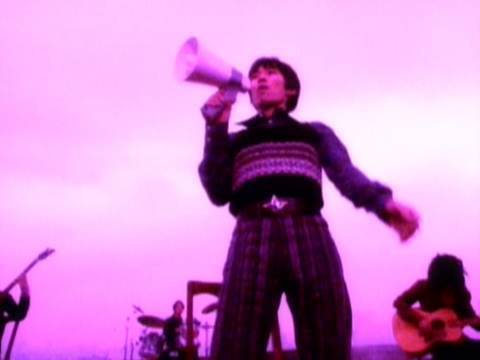
This is a track by Spitz featuring exhilarating, fast-paced guitar sounds.
The song portrays a tenuous yet powerful bond between two people drawn together by fate.
It carries a buoyant sense of excitement—like they’re stretching just a bit, yet filled with confidence about the future—that lifts the listener’s spirits as well.
After being included on the album “Sora no Tobikata” (How to Fly in the Sky), it was released as a single in October 1994 in response to radio buzz.
With its refreshing, breeze-like energy, it’s a perfect companion for a drive.
Tears Sparkle☆supittsu69rank/position
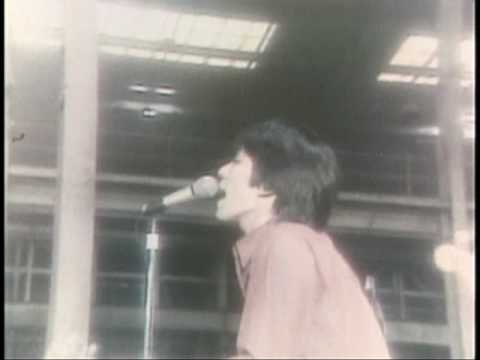
The 12th single by Spitz, depicting lovers dreaming on the night of Tanabata.
Released in July 1995, it became a long-running hit, selling a total of 980,000 copies.
This romantic number overlays images of shining tears and a starry sky.
It was used as the opening theme for TBS’s “COUNT DOWN TV” and in a Sharp commercial, so it may bring back memories of those summers.
The song is also included on the classic album “Honey (Hachimitsu),” where Masamune Kusano’s crystal-clear vocals and Tetsuya Miwa’s arpeggios heighten the sense of poignancy.
Scarletsupittsu70rank/position
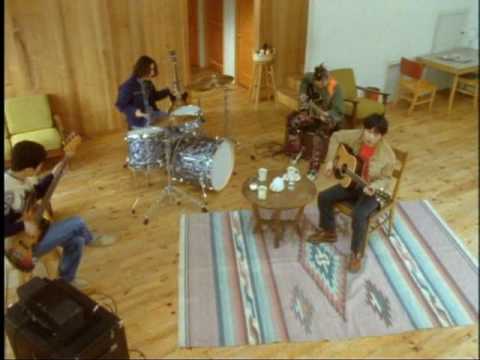
“Scarlet” is the 15th single by Spitz, released in 1997.
It was chosen as the theme song for the TBS drama series Toshiba Sunday Theater “Melody,” starring Kyoko Koizumi and Kaoru Kobayashi, and it reached No.
1 on the Oricon singles chart.
The following year, it was included on their eighth original album, “Fake Fur,” and in 2012 it was also used in a corporate commercial for Mitsui Life.
It’s a classic that showcases vocalist Masamune Kusano’s soaring voice—be sure to give it a listen!
