

Ranking of Popular Songs by Japanese Male Singers from the 1990s [2026]

The 1990s saw notable advancements in digital sound and the emergence of many music groups, making group-based music activities more common.
At the same time, numerous solo releases by singers also became major hits.
Here, we introduce a ranking of popular singers from the 1990s—especially male singers—through which you can also feel the progress of music technology.
- 1990s Male Singer-Songwriters: Popular Song Rankings [2026]
- Iconic ballads of 90s J-pop: nostalgic mega-hits and fan favorites
- [J-Pop] Debut songs by male solo artists from the 1990s
- Classic and hit songs by nostalgic Japanese bands from the 1990s
- Karaoke songs that were hits in the ’90s. Classic and popular tracks from Japanese music.
- Recommended Japanese Music Artists and Popular Song Rankings for Men in Their 50s [2026]
- [J-Rock] Timeless masterpieces that colored the 1990s. Nostalgic hit songs.
- Classic and hit J-pop songs from the nostalgic ’90s
- Band rankings popular among people in their 50s [2026]
- Tear-jerking J-pop from the ’90s. Hit songs and real tearjerkers.
- Showa Era Popular Artist Rankings [2026]
- A roundup of hit love songs from the ’90s
- A roundup of songs for men in their 30s to sing [’90s–’00s tracks]
Top Japanese Male Singers and Popular Songs of the 1990s [2026] (81–90)
Casablanca Dandysawada kenji85rank/position
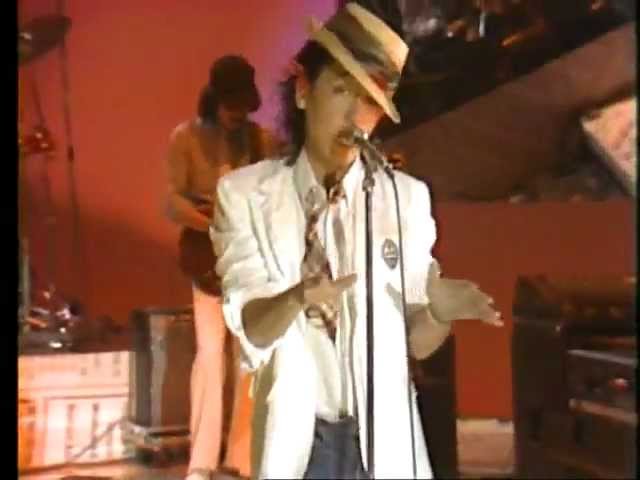
Kenji Sawada’s 26th single, “Casablanca Dandy.” Speaking of Kenji Sawada, his vocals are strikingly sensual—so much so that even men can’t help but fall for them, not just women, right? This song showcases that very charm of Kenji Sawada to the fullest.
What makes it so cool, you ask? Above all, it’s the long sustained notes that appear in the chorus.
I think the song is fairly difficult to sing, but if you can handle it well, you’ll be able to project a strong sense of masculinity.

Do whatever the hell you want.sawada kenji86rank/position

Speaking of Kenji Sawada’s smash hits with a memorable piano intro phrase, “Katte ni Shiyagare” comes to mind.
Released in 1977 as his 19th single, it topped the Oricon singles chart and is a classic that won top honors at numerous awards, including the Japan Record Awards and the Japan Kayō Awards.
The title is taken from the 1959 film “Breathless” (original Japanese title: “Katte ni Shiyagare”), and the lyrics also pay homage to the movie.
It’s a song that perfectly embodies Sawada’s style—dapper yet shy, always with a slightly aloof stance.

As time goes bysawada kenji87rank/position

Kenji Sawada, an idol who represents the Showa era.
He’s an artist for whom the word “charisma” fits perfectly.
Among his many famous songs, the one I especially recommend is “As Time Goes By.” It’s a track that exudes Showa-era allure and conveys a passionate, romantic feel, yet it has a narrow vocal range and the pitch is easy to catch, so even women in their 50s who struggle with pitch should find it easy to sing.
Since the original key may be hard to project in, make sure to figure out your own key before you sing.
Love is…Kawamura Ryuuichi88rank/position

Ryuichi Kawamura, who is also active as the vocalist of the visual-kei rock band LUNA SEA.
He is also known as an actor and novelist, and the song he released in 1997 is “Love is…”.
It became a major hit under his solo name and led to his appearance on NHK’s Kōhaku Uta Gassen.
The song sings of grand love for a cherished person, with a beautiful, hymn-like melody line.
It’s a love song featuring his sexy voice that conveys both gentleness and strength.
Why not let yourself be soothed by its slowly resonant, heartwarming sound?

City DolphinHamada Kingo89rank/position

An artist known for his sweet vocals, Kingo Hamada.
He was active in the 80s, but has come back into the spotlight thanks to the recent city pop boom.
Among his works, a song I especially recommend is “Machi no Dolphin” (“Dolphin in the City”).
It’s a track marked by a bouncy bass and a smooth melodic line.
If you want to make it sound cool, don’t push the key too high—sing it lightly and effortlessly.
Give it a try.
MELODYFukuyama Masaharu90rank/position

It was released as Masaharu Fukuyama’s seventh single.
From this song onward, he consistently made it into the top 10.
As a love song about purely loving his girlfriend, its lyrics are appealing in a way that makes women think, “How happy I’d be if he loved me like this.” If Masaharu Fukuyama sang it to you, any woman would be completely smitten.
1990s Japanese Male Singers Popular Songs Ranking [2026] (91–100)
MessageFukuyama Masaharu91rank/position

This is a quintessential pop tune by Masaharu Fukuyama, distinguished by its refreshing piano and lively band sound.
Released in 1995 as the theme song for the film “Birthday Present,” it also became widely known as the commercial song for Kirin Beer’s Ichiban Shibori.
It’s famous for achieving the remarkable feat of topping the charts for three consecutive releases, continuing the momentum from the previous single.
With lyrics that straightforwardly say “I love you” again and again, the song brims with the excitement of new love and brightens the listener’s mood.
It’s a great pick for karaoke when you want to convey your feelings to someone special or when you want to bask in a fresh, uplifting vibe.