

Ranking of Popular Songs by Japanese Male Singers from the 1990s [2026]

The 1990s saw notable advancements in digital sound and the emergence of many music groups, making group-based music activities more common.
At the same time, numerous solo releases by singers also became major hits.
Here, we introduce a ranking of popular singers from the 1990s—especially male singers—through which you can also feel the progress of music technology.
- 1990s Male Singer-Songwriters: Popular Song Rankings [2026]
- Iconic ballads of 90s J-pop: nostalgic mega-hits and fan favorites
- [J-Pop] Debut songs by male solo artists from the 1990s
- Classic and hit songs by nostalgic Japanese bands from the 1990s
- Karaoke songs that were hits in the ’90s. Classic and popular tracks from Japanese music.
- Recommended Japanese Music Artists and Popular Song Rankings for Men in Their 50s [2026]
- [J-Rock] Timeless masterpieces that colored the 1990s. Nostalgic hit songs.
- Classic and hit J-pop songs from the nostalgic ’90s
- Band rankings popular among people in their 50s [2026]
- Tear-jerking J-pop from the ’90s. Hit songs and real tearjerkers.
- Showa Era Popular Artist Rankings [2026]
- A roundup of hit love songs from the ’90s
- A roundup of songs for men in their 30s to sing [’90s–’00s tracks]
Top Japanese Male Singers and Popular Songs of the 1990s [2026] (Ranks 11–20)
It always starts with rain.ASKA15rank/position

A masterpiece by ASKA, whose translucent singing voice resonates deep in the heart.
Released in March 1991 and achieving million-seller status, the song was also featured in a Panasonic “HALF Component” commercial.
Its lyrics portray the poignant relationship of lovers who meet in the rain, intertwined with a tender, embracing melody that moves the listener.
Showcasing ASKA’s delicate expressiveness, this work depicts complex romantic emotions while brimming with a universal appeal that anyone can relate to.
countrysideTamaki Kōji16rank/position

A signature song by Koji Tamaki, whose powerful vocals resonate in the heart.
Released as a single in July 1996, it was also used as the theme song for Fuji TV’s Thursday drama “Coach.” The lyrics, imbued with Tamaki’s profound sentiments, gently teach us the importance of living.
It’s a wonderful track that lets you feel the beauty of life through everyday moments and encounters with others.
Loved by many as a cheering song that gives you the courage to overcome any hardship.
Perfect for getting pumped up with friends at karaoke or listening to when you feel like you’re about to break.
This piece will surely give you the strength to keep looking forward and walking ahead.
Before you become a memorysupittsu17rank/position

A four-piece rock band, Spitz’s seventh single overall, which was chosen as the theme song for the lifestyle information program “Motto Suteki ni!” Released as a re-cut single from their fourth album, “Crispy!,” it became Spitz’s first song to enter the Oricon charts and a hit number.
The lyrics, which conjure images of a lover who is about to part ways and the memories they shared, are likely to resonate with many who have experienced heartbreak.
With a poignant high-tone vocal that makes the scenes even more vivid, it stands as a classic 1990s heartbreak anthem.

We are!kitadani hiroshi18rank/position

We Are! by Hiroshi Kitadani was chosen as the first opening theme for the hugely popular anime adaptation of One Piece, a manga that follows the protagonist Luffy, who aims to become the Pirate King, and his crewmates.
Released in 1999 as his debut single, the song won the Composition Award at Sony Music Entertainment’s Heisei Anisong Grand Prize held in 2019.
Its lyrics evoke the friendship and adventures of pirates, and just listening to it fills you with excitement.

Blown by the windElefanto Kashimashi19rank/position

This is a coming-of-age song that portrays the premonition of parting and a turning point in life.
Hiroji Miyamoto of Elephant Kashimashi weaves his innermost feelings into lyrics that flow naturally.
Strikingly using the contrast between the sun and the moon to depict a journey of departure that stretches on forever, this work was released as a single in November 1997.
Selected from the album “Run Toward Tomorrow – Moonlit Songs,” it also became a memorable piece as the theme song for Glico Almond Chocolate’s commercial.
It’s a track you’ll want to listen to when you want to linger in the afterglow of a faint romance, when you’re about to take a new step forward, or when a touch of sentimentality finds its way into an ordinary day.
LA LA LA Love SongKubota Toshinobu20rank/position
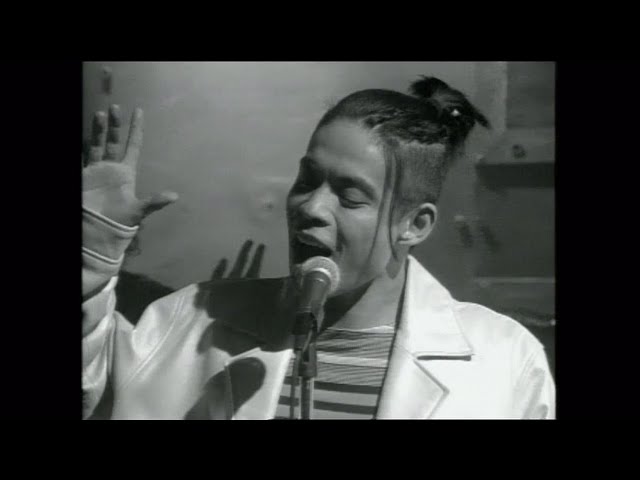
It’s a sweet and heartrending love song that’s vivid enough to wake you up.
Like a carousel, it spins with ever-turning feelings of love, expressed through a catchy melody that lingers in your ears.
Beginning with the two taking shelter from the rain in the city, this sweet romance paints their memories with cinematic clarity and gently sings of their deepening love.
It’s a wonderful classic that leaves listeners with an impression of eternal romance.
Released as a single in May 1996, it drew attention as the theme song for the Fuji TV drama “Long Vacation.” As one of Toshinobu Kubota’s signature works, featuring Naomi Campbell, it’s a refined track with a strong R&B flavor.
Many listeners may find it brings back memories of their youth.
1990s Japanese Male Singers: Popular Song Ranking [2026] (21–30)
Make it a slow boogie (I want you)Minami Yoshitaka21rank/position

Released in 1981, Yoshitaka Minami’s “Suro na Boogie ni Shite Kure (I want you)” is a song distinguished by lyrics characteristic of Japanese kayōkyoku.
The content—“I want you”—has a straightforward, kayōkyoku-style line that gives it a slightly nostalgic feel.
On top of that, the whole track has a bluesy tone, which pairs perfectly with Minami’s sultry vocals to create a sweet atmosphere.
You don’t hear many blues-tinged songs like this these days, so it should feel very fresh even to listeners of the younger generation!
