

Ranking of Popular Songs by Japanese Male Singers from the 1990s [2026]

The 1990s saw notable advancements in digital sound and the emergence of many music groups, making group-based music activities more common.
At the same time, numerous solo releases by singers also became major hits.
Here, we introduce a ranking of popular singers from the 1990s—especially male singers—through which you can also feel the progress of music technology.
- 1990s Male Singer-Songwriters: Popular Song Rankings [2026]
- Iconic ballads of 90s J-pop: nostalgic mega-hits and fan favorites
- [J-Pop] Debut songs by male solo artists from the 1990s
- Classic and hit songs by nostalgic Japanese bands from the 1990s
- Karaoke songs that were hits in the ’90s. Classic and popular tracks from Japanese music.
- Recommended Japanese Music Artists and Popular Song Rankings for Men in Their 50s [2026]
- [J-Rock] Timeless masterpieces that colored the 1990s. Nostalgic hit songs.
- Classic and hit J-pop songs from the nostalgic ’90s
- Band rankings popular among people in their 50s [2026]
- Tear-jerking J-pop from the ’90s. Hit songs and real tearjerkers.
- Showa Era Popular Artist Rankings [2026]
- A roundup of hit love songs from the ’90s
- A roundup of songs for men in their 30s to sing [’90s–’00s tracks]
Ranking of Popular Japanese Male Singers and Songs from the 1990s [2026] (1–10)
I should be able to fly (in the sky).supittsu8rank/position
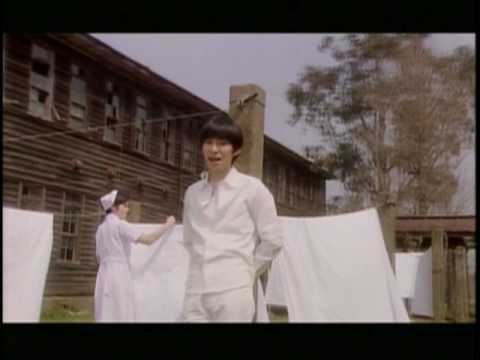
This is Spitz’s eighth single, released in April 1994.
It was originally written for a different TV drama but wasn’t selected and was instead released as a single.
Later, in 1996, it was chosen as the theme song for the Fuji TV drama “Hakusen Nagashi,” bringing it back into the spotlight and earning it the No.
1 spot on the Oricon weekly chart.
It became a million-selling classic.
The lyrics poetically capture the unique struggles of adolescence, a vague anxiety about becoming an adult, and the feeling of one’s heart being set free by staying close to someone.
Alongside sweet romance, it weaves in the harshness of reality and a sense of loneliness, yet its forward-looking stance truly resonates.
The airy guitar riff and Masamune Kusano’s crystal-clear vocals gently envelop the listener.
It’s a pop tune that continues to be loved across generations, accompanying life’s milestones—like graduation ceremonies and the start of new chapters.
squallFukuyama Masaharu9rank/position

A signature song by Masaharu Fukuyama that vividly portrays a bittersweet love.
It beautifully captures the transience of a romance that passes like a sudden shower and the delicate emotions of a woman falling in love.
Released in 2010, this track is Fukuyama’s self-cover of a song originally written for Eiko Matsumoto, and it won first place in a popularity poll thanks to passionate support from fans.
It resonates deeply not only with those newly in love but also with anyone who has experienced heartbreak, making it one of the iconic masterpieces of the ’90s.
It’s great for karaoke, but also perfect for quietly listening alone.
cherrysupittsu10rank/position

A song that delicately captures the joys and bittersweet moments of youth was released in April 1996 and continues to be loved across generations.
The magical fusion of Spitz’s gentle melodies and poetic lyrics tenderly embraces a range of feelings—love, parting, and hope for the future.
Included on the album Indigo Chiheisen, it reached No.
1 on the Oricon weekly chart despite having no tie-in.
Since 2019, it has also been used in NTT East’s commercials, continuing to resonate with many people.
It’s a heartwarming track that stays close to those who carry feelings for someone dear and a faint sense of wistfulness, while holding hope for the future.
Top Japanese Male Singers and Popular Songs of the 1990s [2026] (Ranks 11–20)
missingKubota Toshinobu11rank/position

A singer-songwriter with an un-Japanese sense of groove and a soulful voice who performs on the world stage, Toshinobu Kubota’s song is included on his first album, “SHAKE IT PARADISE,” and is widely known as one of his signature tracks across a broad range of listeners.
The lyrics, which sing of a forbidden love, and the heartrending melody feel perfectly suited to the melancholy season of autumn.
Even though it wasn’t released as a single, it’s been covered by many musicians—proof that it’s a timeless masterpiece cherished across generations.

I can’t say it.Gō Hiromi12rank/position

A signature song by Hiromi Go that portrays a heartrending love so moving you might find yourself tearing up.
Released in May 1994, it became a hot topic as the theme song for the TBS drama “The Master of Matchmaking.” The protagonist’s struggle—unable to honestly express their feelings to the one they love—is conveyed through a clear, transparent vocal performance.
For anyone troubled by that “more than friends, not quite lovers” relationship, this track gives voice to the unspoken emotions in your heart.
It became a long-selling hit with over 350,000 copies sold, staying on the Oricon charts for 39 weeks—a new personal best for Hiromi Go.
A gem of a ballad that will surely resonate with you.
I am here.Yamazaki Masayoshi13rank/position

Singer-songwriter Masayoshi Yamazaki, also known as a multi-instrumentalist who plays all the parts himself on some recordings.
His eighth single, “Boku wa Koko ni Iru” (“I Am Here”), used as the theme song for the TV drama Miracles, in which he starred, is also known as his biggest hit.
The lyrics, portraying emotions swayed by a bittersweet romance, tighten the heart along with a lyrical melody that evokes autumn.
With its distinctive vocals, it’s an autumn song that colored the 1990s.
Another OrionFujii Fumiya14rank/position

A massive hit by Fumiya Fujii that begins in silence and gradually unfolds a deeply moving worldview.
Released in August 1996, it reached No.
1 on the Oricon charts and sparked a huge response, remaining on the charts for 22 weeks.
It also gained attention as the theme song for the TBS drama “Shards of Glass.” Centered on themes of parting, reunion, and growth, the lyrics—imbued with gratitude and resolve toward a loved one—resonate with many listeners.
The grand yet gentle, wistful melody feels like spending a night beneath a starry sky.
When you stand at a crossroads in life, listening to this song will surely give you the courage to look ahead.