

Ranking of Popular Songs by Japanese Male Singers from the 1990s [2026]

The 1990s saw notable advancements in digital sound and the emergence of many music groups, making group-based music activities more common.
At the same time, numerous solo releases by singers also became major hits.
Here, we introduce a ranking of popular singers from the 1990s—especially male singers—through which you can also feel the progress of music technology.
- 1990s Male Singer-Songwriters: Popular Song Rankings [2026]
- Iconic ballads of 90s J-pop: nostalgic mega-hits and fan favorites
- [J-Pop] Debut songs by male solo artists from the 1990s
- Classic and hit songs by nostalgic Japanese bands from the 1990s
- Karaoke songs that were hits in the ’90s. Classic and popular tracks from Japanese music.
- Recommended Japanese Music Artists and Popular Song Rankings for Men in Their 50s [2026]
- [J-Rock] Timeless masterpieces that colored the 1990s. Nostalgic hit songs.
- Classic and hit J-pop songs from the nostalgic ’90s
- Band rankings popular among people in their 50s [2026]
- Tear-jerking J-pop from the ’90s. Hit songs and real tearjerkers.
- Showa Era Popular Artist Rankings [2026]
- A roundup of hit love songs from the ’90s
- A roundup of songs for men in their 30s to sing [’90s–’00s tracks]
1990s Japanese Male Singers: Popular Song Ranking [2026] (21–30)
Easy★RiderOkuda Tamio22rank/position
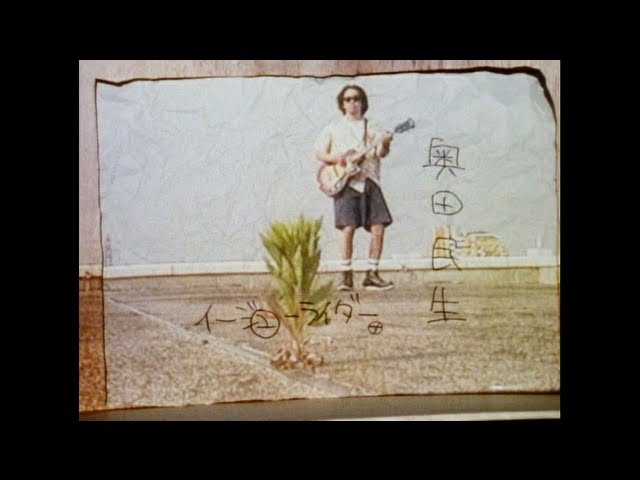
A classic song with a refreshing vibe that evokes the liberating feeling of summer.
It’s a track by singer-songwriter Tamio Okuda, released in June 1996 as his sixth single.
It was also featured in a Nissan ‘Wingroad’ commercial.
The lyrics, which celebrate a free-spirited journey unconstrained by calendars or destinations, leave a strong impression.
For this reason, it’s often used as background music in variety travel shows.
It’s a perfect song for a weekend drive.
BoyhoodInoue Yosui23rank/position

The moment that beautifully wistful piano intro begins, a flood of nostalgic scenes unfolds before your eyes—this is one of those timeless classics.
Released as a single by Yosui Inoue in September 1990, it was written as the theme song for the film “Childhood Days.” Though it portrays the melancholy of summer fading away, its universal nostalgia transcends seasons and resonates deeply during times of graduation and farewell as well.
In 1991, it also drew attention as the song used in Sony’s “Handycam” commercial, and over a long period after its release, it achieved million-seller status.
The world woven by its beautiful Japanese lyrics and melody is irresistible for adults who find themselves looking back on their youth.
It’s a standard number I hope those embarking on new beginnings will listen to, alongside memories that never fade.
Tonight is Boogie BackOzawa Kenji feat. Suchadarapaa24rank/position

A classic song that represents 1990s J-pop is finding new popularity on TikTok.
This collaboration between Kenji Ozawa and Scha Dara Parr is a groundbreaking track that fuses hip-hop and J-pop.
The lyrics, which capture the vibe of a nighttime dance floor and the thrill of a party, resonate across generations.
Released on March 9, 1994 by Toshiba EMI, the song was also used as the theme for Fuji TV’s “Tamori no Super Vocabulary Heaven.” With its light, upbeat rhythm, it perfectly conveys the joy of the nighttime party scene, making it an ideal track for anyone looking to energize the dance floor.
KAN’s Christmas SongKAN25rank/position

When it comes to warm Christmas songs that define the ’90s, this track by KAN is the one.
Its simple, gentle harmonies and KAN’s tender voice beautifully capture the mood of a quiet holy night.
It was used as a Kentucky Fried Chicken commercial song in December 1992 and resonated with many people.
It was also included on the album TOKYOMAN, released in February of the following year.
The lyrics convey the feelings of waiting for a loved one on Christmas night and the joy of reunion, letting you feel the wonder of spending Christmas with someone special.
Spending Christmas alone can be lovely too, but time shared with someone dear while listening to this song is truly exceptional.
Tokyo StorySha ran Q26rank/position

Sharam Q is a four-piece rock band centered around Tsunku♂, who is now making his mark as a producer.
Their 4th single, “Jo-Kyo Monogatari,” used as the theme song for the variety show Asakusa-bashi Young Yōhinten, is known as the track that helped bring the previously unknown Sharam Q into the spotlight.
The lyrics portray the heartache of parting from someone precious, and while it’s a love song, it also resonates with the farewells that come with graduation.
With its striking synth-driven intro, the song is catchy—fast-paced yet sentimental.

Nagisasupittsu27rank/position

This is a song with a mysterious charm, tinged with the bittersweetness of summer’s end and a dreamlike atmosphere.
The sparkling intro feels like it’s guiding you to the boundary between reality and dreams.
The lyrics penned by Masamune Kusano seem to go beyond a simple love song, encompassing the flow of life and even a profound view of life and death.
It’s filled with poetic beauty that stirs the listener’s imagination.
Released as a Spitz single in September 1996 and included on the classic album “Indigo Chiheisen” (Indigo Horizon), the song also became widely known as the theme for Ezaki Glico’s “Pocky Love Story” commercials.
Why not surrender your heart to the timeless resonance of this masterpiece?
A Love Song I Couldn’t SingOda Yūji28rank/position

Known as an iconic song of the 1990s, this work is a love song packed with Yuji Oda’s charm.
Released in February 1991, it reached No.
2 on the weekly Oricon charts.
It was also used as the image song for Suzuki’s “Cervo Mode,” leaving a lasting impression on many listeners.
The song portrays the youth of students experiencing love and heartbreak in college and then stepping into the workforce.
The world created by Oda’s clear, pure vocals and the emotionally resonant lyrics perfectly captures the feelings of young people at the time.
It’s a recommended track for anyone who couldn’t express their feelings to someone special, or for those who feel nostalgic about their youth.