

[Women] Popular Japanese Karaoke Songs Ranking [2026]

We’re showcasing the latest top 100 karaoke rankings for J-pop songs popular with women, all at once, ordered by most views!
You’ll instantly see which songs are in highest demand for karaoke.
If you’re unsure what to sing, be sure to use this as a reference.
The playlist is updated weekly!
- [Women] Easy-to-Sing Karaoke Songs Ranking [2026]
- Women's Popular Karaoke Rankings [2026]
- Recommended Japanese Female Artists and Popular Song Rankings for Women [2026]
- [Women] Karaoke Crowd-Pleasers Ranking [2026]
- Ranking of Beloved Hit Songs Among Women [2026]
- Songs Men Want Women to Sing at Karaoke: Irresistible Tracks [2026]
- Songs women like. Famous and popular Japanese songs.
- Karaoke Hype Songs Ranking [2026]
- Best/Loved Songs with Great Lyrics by Female Singer-Songwriters: Ranking [2026]
- Songs to Help Women Sing Better: Practice Tracks for Improving at Karaoke
- Cool If You Can Sing! Popular Karaoke Songs Recommended for Women
- Karaoke That Gets Everyone Excited: Women’s Rankings [2026]
- Recommended for women: Start your karaoke session with these! A roundup of popular Japanese songs
[Women] Popular J-Pop Karaoke Rankings [2026] (81–90)
Chocolate DiscoPerfume85rank/position

A song by Perfume, a three-member female techno unit from Hiroshima Prefecture.
With poppy, catchy lyrics and a melody that sticks in your head, it’s become a staple Valentine’s Day tune.
It’s been revealed that producer Yasutaka Nakata actually wrote the lyrics completely off the cuff, but combined with the song’s atmosphere and rhythm, it results in an unbeatable slice of premium pop.
It’s also one of Perfume’s signature tracks that gets everyone singing and dancing together at karaoke.

Please forget it.Yorushika86rank/position

Yorushika’s famous song “Please Forget.” While Yorushika spans a wide range of musical styles, isn’t their most compelling side ultimately their ennui-tinged aesthetic? This piece is an achingly melancholic track that showcases that very charm.
Its distinct, surreal performance makes effective use of silence, and the gentle vocal line sung in a whispery voice is uniquely characteristic yet very simple.
It might sound like a demanding song, but the vocal range is actually quite narrow, so as long as you set it to a suitable key, anyone can sing it without trouble.

Single AgainTakeuchi Mariya87rank/position

Released in 1989 as the 18th single, it was used as the theme song for the TV drama “Tuesday Suspense Theater.” The song portrays the wavering emotions of a woman who hears rumors that her ex-boyfriend, after marrying another woman, has divorced and become “single” again.
It has been covered by many artists, including Hideaki Tokunaga, Yasushi Nakanishi, and JUJU.
With a moderate tempo and manageable melodic range, its singability is one of its appeals, making it approachable even for karaoke beginners.
secret base ~What You Gave Me~ZONE88rank/position

Selected as the theme song for the third installment of the popular drama series “Kids War,” which starred Mao Inoue, this is one of ZONE’s signature tracks and remains highly popular to this day.
Even long after its release, it has continued to be covered by various well-known artists, and it drew attention when a cover by a popular voice actor was used in “Anohana: The Flower We Saw That Day.” For women in their 30s, it’s likely a song that evokes a strong sense of nostalgia.
Red Sweet PeaMatsuda Seiko89rank/position

This masterpiece, which poignantly and beautifully portrays the spring season when cherry blossoms bloom, was released in January 1982 as a single by Seiko Matsuda.
With Takashi Matsumoto’s delicate word choices and an unforgettable melody penned by Yumi Matsutoya under her pseudonym Kureta Keiko, the song superbly captures the changing seasons and the freshness of young love.
The vibrant voice of a 19-year-old delivers subtle psychological nuances and the fleeting scenes of romance with exquisite finesse, resonating deeply with listeners.
In 2009, it was also used as the CM song for Fujifilm’s skincare brand “ASTALIFT,” drawing attention when its memorable melody played in commercials featuring Miyuki Nakajima.
Its sweet-and-sour melody, evoking nostalgic memories and the arrival of spring, is a track you’ll want to hear when cherry blossoms are in the air.
School HeavenKoizumi Kyoko90rank/position

This was Kyoko Koizumi’s 28th single, released on November 1, 1989.
It served as the theme song for Fuji TV’s Monday 9 p.m.
drama “Aishiatte Ru Kai!”.
By the way, this is a cover: the original was released in 1974 as Finger 5’s fourth single, and it was a massive hit that sold over a million copies.
As you’ll understand the moment you hear it, singing ability hardly matters for this song! When it comes to sounding good at karaoke, it’s no exaggeration to say it all depends on how well you can recreate its light, lively groove.
Don’t sweat the small stuff—just have everyone there join in a big sing-along and enjoy!

[Female] Popular Japanese Karaoke Ranking [2026] (91–100)
loveHoshino Gen91rank/position
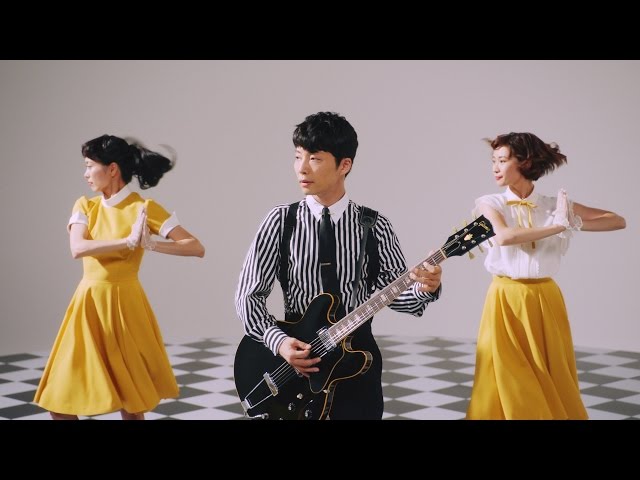
A song by Gen Hoshino that symbolically expresses the diverse forms of love conveyed in its lyrics and the personal growth that romance brings.
Released in October 2016 as the theme song for the TBS drama “We Married as a Job!” (“Nigeru wa Haji da ga Yaku ni Tatsu”), it became a massive hit.
The “Koi Dance” performed in the drama’s ending garnered explosive popularity on social media, with total video views surpassing 80 million.
With its upbeat, catchy melody and relatable lyrics, this track is irresistibly appealing.
Choose it as the first song at karaoke, and it’s sure to instantly lift the mood of the room!