

Ranking of Popular Japanese Pop (J-Pop) Artists Among People in Their 50s [2026]

Introducing popular Japanese songs among people in their 50s in a ranking format!
We live in an age where you can listen to music anytime, anywhere.Even busy people can enjoy it in small pockets of free time.You might finally get to hear that song you’ve been curious about!It’s perfect for a change of pace, too!Be sure to check it out!
- [50s] Popular Song Ranking by Generation [2026]
- [50s] Popular Japanese Music / J-POP Rankings [By Generation]
- Ranking of Popular Japanese Music and J-POP Artists Among People in Their 60s [2026]
- Ranking of Popular Japanese Music and J-POP Artists Among People in Their 40s [2026]
- Ranking of Popular Band Songs Among People in Their 50s [2026]
- [For People in Their 50s] Karaoke Songs That Get the Crowd Going: Ranking [2026]
- Band rankings popular among people in their 50s [2026]
- Dance music in Japanese (J-pop) that people in their 50s used to listen to. Nostalgic classic hits.
- Recommended Japanese Music Artists and Popular Song Rankings for Men in Their 50s [2026]
- Karaoke Popularity Ranking by Generation [50s] [2026]
- Coming-of-age songs for your 50s: heart-thumping × heartwarming classics and popular tracks [2026]
- [Ages 60s] Popular Japanese Music / J-POP Rankings [By Generation]
- Popularity Ranking of Songs by Generation: 60s [2026]
Ranking of Popular Japanese Music/J-POP Artists Among People in Their 50s [2026] (71–80)
Give Up on SummerNaoko Ken78rank/position
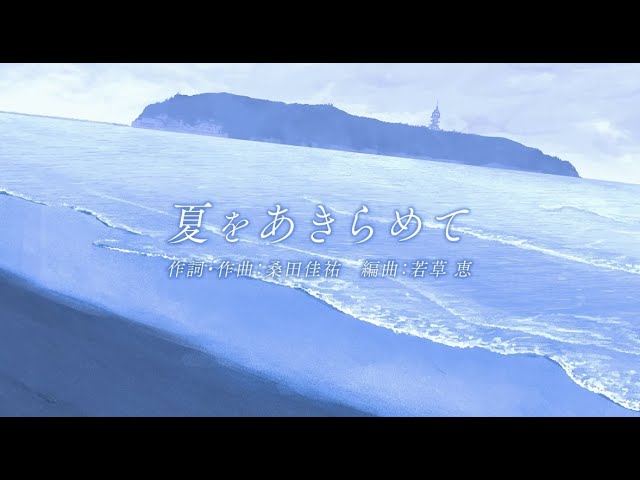
This song, which depicts a melancholy love story on a gloomy rainy day sung by Naoko Ken, was originally by Southern All Stars.
Ken released it as a cover in September 1982.
Her wistful vocals beautifully capture seaside scenery and the poignancy of summer’s end.
The tender way she sings, in a husky voice, about the wavering hearts of a couple caught in a sudden downpour and the fragility of love is deeply moving.
After its release, the song reached No.
5 on the Oricon weekly chart and won the Gold Prize at the 24th Japan Record Awards in 1982.
It was also performed at the 33rd NHK Kōhaku Uta Gassen that same year.
With its relaxed tempo, it’s pleasantly immersive, drawing you into Ken’s distinctive world.
It’s a classic that’s perfect for those who want to enjoy a smooth, subdued atmosphere in karaoke.
I’m smitten with you.Yellow Magic Orchestra79rank/position

Yellow Magic Orchestra is a group that gained popularity for their innovative electronic music.
Their song “Kimi ni, Mune Kyun.” was composed from the perspective that, since they had been supplying hit numbers to idols at the time, “if we can keep cranking out idol hits, then in theory we could also become popular as middle-aged idols ourselves.” As a result, it features a catchy, somewhat cute melody.
With a narrow vocal range and a fairly even melodic contour, it’s also a very easy song to sing.

cherrysupittsu80rank/position

This is Spitz’s 13th single, released in April 1996.
Even though it had no tie-in at the time of release, it sold over 1.6 million copies—truly another iconic J-pop song of the Heisei era! The melody is very easy to remember and sing, so be sure to learn it and enjoy singing it.
Just take care not to make your singing feel too heavy.
Not just this song, but many tracks released from the late ’90s to the early 2000s were made with karaoke in mind, making that era a treasure trove of karaoke-friendly songs.
It’s highly recommended to search for songs from that angle!

Ranking of Popular Japanese Music/J-POP Artists Among People in Their 50s [2026] (81–90)
Christmas EveYamashita Tatsuro81rank/position

A beloved classic Christmas song and one of Tatsuro Yamashita’s signature works.
Its sentimental lyrics about heartbreak and its beautiful melody truly resonate.
Released in 1983, the song became a massive hit after being featured in a JR Tokai commercial.
Since then, it has become one of Japan’s quintessential winter songs, heard throughout towns every Christmas season.
For those in their 50s, it’s likely a timeless piece that brings back memories of their youth.
It’s a perfect song to listen to while spending Christmas with someone special or quietly reflecting on the past year.
In the night sky after the rainImawano Kiyoshirō82rank/position

Speaking of Kiyoshiro Imawano, his musical style is striking for evoking nostalgic scenes within a punky vibe.
Among his works, “Ameagari no Yozora ni” especially showcases his musical character.
While the highest notes aren’t very high, the pitch mid2F# appears frequently, so when adjusting the key, it’s best to center your tuning around that note.
The lyrics are a bit risqué, but it’s a song that tends to get the crowd going at karaoke, so consider adding it to your repertoire.
Mazinger ZMizuki Ichirō83rank/position

Alongside artists like Takayuki Miyauchi and Akira Kushida, Ichiro Mizuki is a veteran anison singer who has led the anime song scene.
Despite his powerful vocal ability, he never puts himself forward and remains devoted to the essence of anime songs—his vocal ethos is truly admirable.
They are wonderful tracks that make any man’s heart race, regardless of generation.
Sneaker BluesKondō Masahiko84rank/position

A classic song that strikingly combines poignancy and strength, depicting the breakup of lovers who raced through the season of youth.
With fond memories of time spent together in matching sneakers held close to their hearts, the pure emotions of young love overflow in a stirring melody and vocals that many listeners will find relatable.
Released in December 1980 as Masahiko Kondo’s debut single and used as the theme song for the film “Youth Graffiti: Sneaker Blues,” it debuted at No.
1 on the Oricon chart.
It’s a track that resonates even more deeply now with nostalgic memories as the years have passed.
Perfect for reliving past romances and getting fired up at karaoke with friends.