

Ranking of Popular Japanese Pop (J-Pop) Artists Among People in Their 50s [2026]

Introducing popular Japanese songs among people in their 50s in a ranking format!
We live in an age where you can listen to music anytime, anywhere.Even busy people can enjoy it in small pockets of free time.You might finally get to hear that song you’ve been curious about!It’s perfect for a change of pace, too!Be sure to check it out!
- [50s] Popular Song Ranking by Generation [2026]
- [50s] Popular Japanese Music / J-POP Rankings [By Generation]
- Ranking of Popular Japanese Music and J-POP Artists Among People in Their 60s [2026]
- Ranking of Popular Japanese Music and J-POP Artists Among People in Their 40s [2026]
- Ranking of Popular Band Songs Among People in Their 50s [2026]
- [For People in Their 50s] Karaoke Songs That Get the Crowd Going: Ranking [2026]
- Band rankings popular among people in their 50s [2026]
- Dance music in Japanese (J-pop) that people in their 50s used to listen to. Nostalgic classic hits.
- Recommended Japanese Music Artists and Popular Song Rankings for Men in Their 50s [2026]
- Karaoke Popularity Ranking by Generation [50s] [2026]
- Coming-of-age songs for your 50s: heart-thumping × heartwarming classics and popular tracks [2026]
- [Ages 60s] Popular Japanese Music / J-POP Rankings [By Generation]
- Popularity Ranking of Songs by Generation: 60s [2026]
Ranking of Popular Japanese Music/J-POP Artists Among People in Their 50s [2026] (51–60)
Pink sighTakahashi Mariko57rank/position
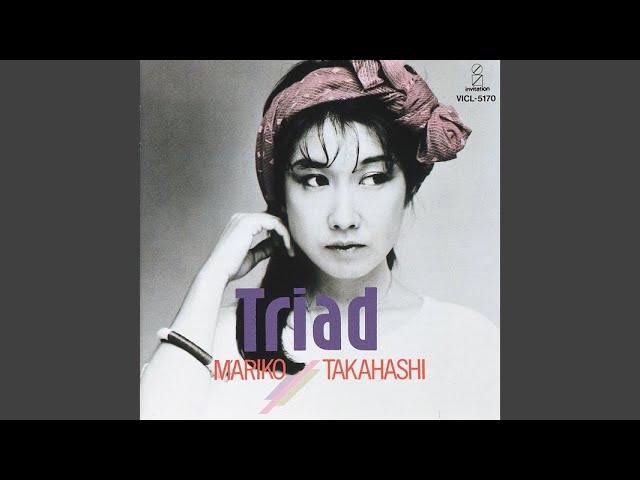
Mariko Takahashi’s classic “Momoiro Toiki.” It features a distinctly exotic melody and, while it carries elements of mood kayō (mood enka), it also incorporates contemporary J-pop characteristics.
The piece sits within a relatively narrow vocal range of mid1 G# to high C.
Since the most frequent pitch is around mid2 G#, most women should be able to sing it without difficulty.
As the song prioritizes mood, it’s recommended to sing with careful dynamics.
If a phrase ends with a consonant, letting it fade out as a voiceless sound can be an effective touch.

single bedSha ran Q58rank/position

A work renowned as one of the great ballads of the Heisei era, “Single Bed.” Considered a signature song of Sharan Q, it’s still frequently sung at karaoke and is popular in vocal training as well.
Its range is mid1 C# to mid2 G#, so it’s not extremely low, but because the more energetic phrases can be sung with a rich mid-to-low tone, it’s a piece that really brings out the appeal of men with lower voices.
By using a technique called the hiccup (hi-cup) singing method, you can further emphasize masculinity; try incorporating it to the extent that it doesn’t affect your scoring.
dogwood (flowering dogwood)Hitoto Yo59rank/position

A warm song filled with feelings for a loved one.
Released in February 2004, this track was featured as the theme song for NTV’s “Tuesday Suspense Theater” and used in commercials.
It was also the theme song for a film of the same name starring Yui Aragaki, and has been loved by people of all ages.
Hitoto Yo’s gentle vocals and the heartfelt lyrics are especially captivating.
With wishes for peace and prayers for the happiness of loved ones woven into it, it’s perfect for expressing your feelings to someone special.
It’s also recommended for special occasions like weddings and anniversaries.
You’re My Only Shinin’ StarNagayama Miho60rank/position

It’s a romantic ballad that beautifully portrays a moonlit scene.
The song weaves feelings of a miraculous encounter and a vow of eternal love together with a gentle melody.
Under the starry sky, it’s a graceful tale that will resonate in your heart, making you want to listen while thinking of the one you love.
Miho Nakayama’s clear, translucent voice tenderly embraces an emotionally rich world that spins a story of everlasting love.
Released in February 1988 and crafted by Toshiki Kadomatsu, the piece reached No.
1 on the Oricon charts.
It also left a strong impression as an insert song for the TBS drama “Mama wa Idol!” starring Nakayama, and won the Japan Record Awards Gold Prize.
It’s recommended for moments when you want to step away from the busyness of daily life and savor your gratitude for someone special.
Why not spend a calm moment immersing yourself in this heartwarming, gentle love story?
Ranking of Popular Japanese Music / J-POP Artists Among People in Their 50s [2026] (61–70)
I’m only gazing at you.Daikoku Maki61rank/position

This song poignantly portrays a woman’s bittersweet feelings as she changes herself for love.
Her determination and inner conflict to be reborn for her lover are depicted in contrast to the upbeat melody.
Maki Ohguro’s powerful vocals vividly express the protagonist’s pain and wavering emotions.
Released in December 1993, it was chosen as the ending theme for the anime SLAM DUNK.
Within about three months of its release, it became a million seller and has been included on multiple albums, such as “Toward the Eternal Dream” and “BACK BEATs #1.” It’s a song I especially recommend to those who can relate to the struggle between staying true to oneself and being in love.
Its heartrending melody and down-to-earth lyrics gently embrace the complex emotions of romance.
Believe in your dreamsTokunaga Hideaki62rank/position

It’s one of Hideaki Tokunaga’s signature songs, whose straightforward drive and hopeful message strike straight to the heart.
Released as a single in January 1990, it was used as the ending theme for the popular anime Dragon Quest, becoming a memorable classic that left a strong impression on viewers.
There’s even an anecdote that, although it was originally slated for release on January 15, the date was moved to the 16th to avoid crowds of fans since the 15th fell on Coming of Age Day, a national holiday.
Far from being a simple tear-jerker ballad, it’s a medium-tempo pop tune that conveys a sense of positive strength, embracing anyone trying to overcome doubt or setbacks and take a step forward.
It’s guaranteed to get the crowd going at karaoke, bringing back the excitement of those days.
ambushIshikawa Hitomi63rank/position

Hitomi Ishikawa, a female singer who was hugely active in the late 1970s.
Her voice exudes femininity, yet her vocals also convey a compelling strength—that was her distinctive appeal.
Among her songs, the one I especially recommend is Machibuse (“Ambush”).
While it has a slightly wide vocal range, the high notes feature surprisingly short sustained tones, so it’s easy on the throat.
As long as you can keep your pitch steady, it’s a song that anyone can sing well.