

[40s] Popular Japanese Music / J-POP Rankings [By Generation]

We present the latest top 100 rankings of Japanese music/J-POP for people in their 40s, showcasing the songs in order of most to least views! As life may be settling down for those in their 40s, are they seeking peace and comfort, or craving extraordinary excitement? What kinds of songs are being listened to most? The playlist is updated weekly.
- Ranking of Popular Japanese Music and J-POP Artists Among People in Their 40s [2026]
- [40s] Popular Songs Ranking by Generation [2026]
- Popular Japanese songs among women in their 40s: recommended classics and standard hits
- Band Rankings Popular Among People in Their 40s [2026]
- Songs popular among men in their 40s. Timeless classics that bring back memories.
- Nostalgic Japanese Pop Hits That Get 40-Something Men and Women Excited
- [50s] Popular Song Ranking by Generation [2026]
- Ranking of Popular Japanese Pop (J-Pop) Artists Among People in Their 50s [2026]
- [40s] Karaoke Crowd-Pleasers Ranking [2026]
- Ranking of Popular Band Songs Among People in Their 40s [2026]
- [2026 Edition] Karaoke Songs That Will Get the Crowd Going—Perfect for Women in Their 40s
- [2026 Edition] Youth Anthems for Your 40s! A Roundup of Popular Heart-Pounding × Heartwarming Songs
- Nostalgic Songs Perfect as Driving BGM for People in Their 40s
[40s] Popular Japanese Music / J-POP Rankings [By Generation] (91–100)
era; age; time; periodNakajima Miyuki92rank/position

This is one of Miyuki Nakajima’s signature songs, which won the Grand Prix at the 6th World Popular Song Festival held at the Nippon Budokan in 1975.
Its flowing melody and universal lyrics, depicting the transience of life, strike a deep chord.
Even as it passes through parting and loss, the piece conveys a sense of hope for renewal to come, making it like a vessel into which each listener can pour their own memories.
It was included on her 1976 debut album “Watashi no Koe ga Kikoemasu ka” (Can You Hear My Voice?), re-recorded as a self-cover in 1993, and chosen as the theme song for the 2020 film “Kiokuya: Anata o Wasurenai” (The Memory Eraser: I Won’t Forget You).
Long cherished as a graduation staple, this song takes on new resonance at every milestone in life.
It’s a piece I especially recommend when spring arrives and you want to remember who you were back then.
HANABIMr.Children93rank/position

Mr.
Children’s “HANABI,” known for being chosen as the theme song of the smash-hit TV drama Code Blue: Doctor Heli Emergency Lifesaving.
Men in their 40s may have no end of daily worries, but listening to this song might give you courage.
Mr.
Children are a karaoke staple among staples, so you can hype things up with people of any generation! Try savoring and singing the memorable lines in the chorus.
It’s a song that really gets everyone excited when sung together.

Tomorrow, when spring comesMatsu Takako94rank/position

An impressive debut song by Takako Matsu, featuring a gentle voice that reflects on memories of youth.
The lyrics capture a fleeting moment with someone precious who shines in past memories, carrying feelings that never fade with time.
Released in March 1997 and used in NTT’s “Exciting New Life Campaign” commercial, the song became a hit, breaking into the top 10 of the Oricon charts.
In 2007, a 10th-anniversary version with new lyrics was produced and included on the album “Cherish You.” It’s a perfect track for quietly thinking of someone dear or for looking back on nostalgic memories as spring arrives.
astronomical observationBUMP OF CHICKEN95rank/position

A timeless masterpiece that has captured the hearts of countless generations continues to resonate with many people today.
Released by BUMP OF CHICKEN in February 2002, this song is known as one of the band’s signature tracks and was also used as an insert song for a Kansai TV/Fuji TV drama.
Included on the album “jupiter,” it became a million-seller.
Its lyrics contrast the innocence of childhood with the complex emotions of adulthood, portraying a willingness to face unanswerable questions—an approach that resonates with those standing at life’s crossroads.
As a song that gives listeners the courage to move forward without fearing failure, it has become a source of support for many.
fragileEvery Little Thing96rank/position

Fragile is one of Every Little Thing’s most popular signature songs.
Released as a single in January 2001, it’s well known as the theme song for Fuji TV’s romance reality show Ainori.
The song delicately captures the small misunderstandings and clumsiness that can occur in a relationship with someone important, as well as the fragility of the heart.
Kaori Mochida’s translucent vocals and the quintessential J-pop arrangement gently envelop the listener.
It’s a song you’ll want to play when you’re struggling with relationships in everyday life and feel like taking a pause.
It will surely soothe your taut heart and help you regain your honest feelings—becoming a talisman-like work you can hold close.
FriendsREBECCA97rank/position

Rebecca, a band emblematic of the late ’80s.
Their popular song “Friends,” released in 1985 as their fourth single, is a rock number tinged with poignancy and is highly recommended for those who want to sing their hearts out with raw emotion.
The explosive, rousing chorus is the highlight, so open your mouth wide and project from your diaphragm.
It feels great for listeners too when someone goes all-in, regardless of how technically good they are! Let’s blow away everyone’s stress with a powerful singing voice!

Sign of LovePUFFY98rank/position
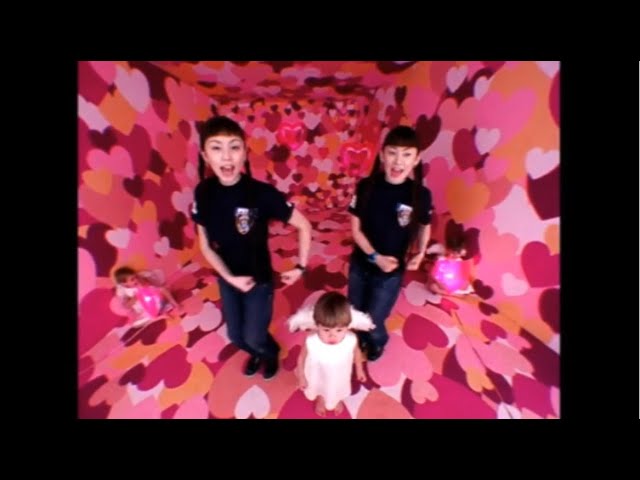
Among people in their early 40s, PUFFY can be considered a very popular music duo.
Many of you may have imitated their fashion, too.
Of all PUFFY’s songs, the one I especially recommend is “Ai no Shirushi” (“The Sign of Love”).
Its vocal range is mid2B to hiB, which is low enough that it wouldn’t be unusual even for a male vocalist.
The highest note only appears twice in the chorus, so even those who tend to go off-pitch on high notes should be able to sing it without trouble.
