

[40s] Popular Japanese Music / J-POP Rankings [By Generation]

We present the latest top 100 rankings of Japanese music/J-POP for people in their 40s, showcasing the songs in order of most to least views! As life may be settling down for those in their 40s, are they seeking peace and comfort, or craving extraordinary excitement? What kinds of songs are being listened to most? The playlist is updated weekly.
- Ranking of Popular Japanese Music and J-POP Artists Among People in Their 40s [2026]
- [40s] Popular Songs Ranking by Generation [2026]
- Popular Japanese songs among women in their 40s: recommended classics and standard hits
- Band Rankings Popular Among People in Their 40s [2026]
- Songs popular among men in their 40s. Timeless classics that bring back memories.
- Nostalgic Japanese Pop Hits That Get 40-Something Men and Women Excited
- [50s] Popular Song Ranking by Generation [2026]
- Ranking of Popular Japanese Pop (J-Pop) Artists Among People in Their 50s [2026]
- [40s] Karaoke Crowd-Pleasers Ranking [2026]
- Ranking of Popular Band Songs Among People in Their 40s [2026]
- [2026 Edition] Karaoke Songs That Will Get the Crowd Going—Perfect for Women in Their 40s
- [2026 Edition] Youth Anthems for Your 40s! A Roundup of Popular Heart-Pounding × Heartwarming Songs
- Nostalgic Songs Perfect as Driving BGM for People in Their 40s
[Forties] Popular Japanese Music / J-POP Rankings [By Generation] (41–50)
I should be able to fly (in the sky).supittsu50rank/position
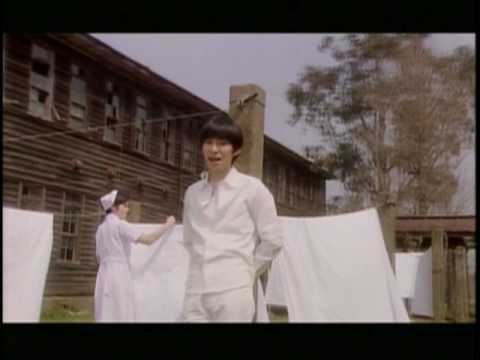
Originally written for a television drama, this is the eighth single by the four-piece rock band Spitz.
Released in April 1994, it initially saw modest chart performance, but when it was later chosen as the theme song for the 1996 Fuji TV drama “Hakusen Nagashi,” it returned to the spotlight and became a million seller.
The song delicately depicts the turbulence of adolescence, a sense of awe toward an unseen, greater presence, and the budding conviction of freedom that arises when there’s someone who accepts you—all carried by Masamune Kusano’s clear, translucent vocals and a gentle guitar ensemble.
Not only sweet feelings of love but also the harshness of reality and the ache of loneliness seep through, and yet the protagonist’s determination to look ahead makes your heart swell.
Beloved as a graduation song, it’s a track that brings back memories as spring arrives.
As the season of new beginnings approaches, why not listen to it quietly and let it wash over you?
[40s] Popular Japanese Music / J-POP Rankings [By Generation] (51–60)
One more time, One more chanceYamazaki Masayoshi51rank/position

When it comes to bittersweet love songs, many people probably think of Masayoshi Yamazaki’s voice.
This song, which portrays the feelings of searching endlessly for someone you can never forget while carrying a sense of loss and loneliness, is a classic whose acoustic guitar tones and husky vocals truly move the heart.
Released as a single in January 1997, it became a hit as the theme song for the film The Moon and a Cabbage, in which Yamazaki himself starred, and was also included on the album HOME.
It later returned to the spotlight in March 2007 as the theme song for the animated film 5 Centimeters per Second.
It’s a track I hope you’ll listen to quietly with your favorite drink when daily life starts to feel stifling and you want to gently loosen those taut strings.
Time goes byEvery Little Thing52rank/position
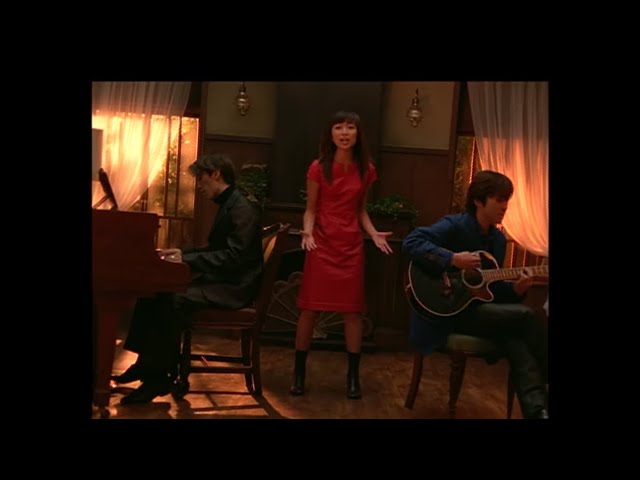
An indispensable duo when talking about the late-’90s J-pop scene, Every Little Thing’s eighth single.
A ballad whose words about the disconnects and heartache in human relationships, paired with an unforgettable melody, stir the soul.
Released in February 1998, the single became a million seller.
Chosen as the theme song for the TV drama “Amai Kekkon” and the commercial song for Toyota’s HILUX SURF SSR-V, it was later included on the classic album “Time to Destination.” With content that resonates not only with romance but with many phases of life, it’s a masterpiece I’d recommend to anyone who wants to savor music while reminiscing about the past.
That’s important.Daiji MAN Burazāzu Bando53rank/position

A powerful, encouraging song that lifts your spirits when times are tough or you feel like giving up.
Its lyrics preach the importance of not giving up, and the strong yet approachable melody resonates deeply.
With the warmth of a friend giving you a gentle push forward, this song has become a source of support for many.
Released by Daiji MAN Brothers Band in August 1991, the track was used as the ending theme for “Sports Frontier” and also served as the theme song for “Hō-chan no Yamada Katsutenai Television.” It topped the Oricon Weekly Singles Chart for five consecutive weeks and became a massive hit, selling an impressive 1.8 million copies.
When you find yourself troubled or at a standstill in life, listening to this song will surely give you the courage to move forward.
countrysideTamaki Kōji54rank/position

For those now in their 40s who spent their youth in the 1990s, many probably think of Koji Tamaki more as an actor or solo singer than as a member of Anzen Chitai.
In particular, Den-en, released in 1996 as a solo single by Tamaki, was a massive hit that went double platinum and was frequently sung at karaoke back then.
Tamaki is a singer so highly regarded for his overwhelming vocal ability that he’s respected by fellow professionals, but Den-en is composed with a very singable melody and sits in a relatively low key overall, making it a song that can score high at karaoke regardless of vocal timbre.
The only caveat is that some parts are a bit fast-paced, so it’s a good idea to memorize the lyrics thoroughly and practice until you can sing it smoothly.

TOMORROWMayo Okamoto55rank/position

With its uplifting lyrics and buoyant piano melody, this is a pep song that gives courage to listeners.
Singer-songwriter Mayo Okamoto’s debut single “TOMORROW,” released in May 1995, was chosen as the theme song for the TV drama “Second Chance” and became a massive hit, achieving Double Platinum status.
Its message—that strength lies beyond the tears—will surely give a powerful push to graduates embarking on a new world.
Beloved enough to be selected as the entrance march for the National High School Baseball Tournament in March 1996, this song is widely cherished.
Sing it with friends at a reunion, and your memories of youth are sure to come vividly rushing back.
DEPARTURESglobe56rank/position

A song that brilliantly captures the bittersweet feeling of winter.
Released in January 1996 as globe’s 4th single, it was also featured in JR East’s “JR SKISKI” commercial.
It became a massive hit, achieving double million sales and ranking 2nd on the Oricon year-end singles chart.
The winter scenes woven by the electronic sound and KEIKO’s clear, transparent vocals are sure to resonate deeply with those in their 40s.
The lyrics, which express the desire to break free from a stagnant daily life, gently encourage anyone looking to take a new step forward—making it a heartwarming track.