

[Ages 60s] Popular Japanese Music / J-POP Rankings [By Generation]

We’re excited to present the latest Top 100 rankings of Japanese music and J-POP for the 60s generation, all in one go, ordered by the highest number of plays!
Music’s true charm is how it brings back memories—songs you used to listen to or tracks that were once all the rage can instantly transport you back, connecting with your own experiences.
Why not take a moment to immerse yourself in the music—and in yourself?
Our playlist is updated every week.
- [2026 Edition] Songs Loved by People in Their 60s: Classic Hits from Their Youth
- Ranking of Popular Japanese Music and J-POP Artists Among People in Their 60s [2026]
- [For People in Their 60s] Karaoke Songs That Get the Crowd Going: Ranking [2026]
- Popularity Ranking of Songs by Generation: 60s [2026]
- Popular Japanese songs among men in their 60s: recommended masterpieces and classic tracks
- Recommended for women in their 60s! Songs that get the crowd going at karaoke
- [50s] Popular Japanese Music / J-POP Rankings [By Generation]
- Good songs recommended for people in their 60s: classic and popular Japanese tracks
- Recommended Summer Songs for People in Their 60s: Classic and Popular J-Pop Hits [2026]
- [60s] Karaoke Popularity Rankings by Generation [2026]
- A love song that makes a man in his sixties relive his youth. Timeless classics that rekindle the romances of those days.
- Love songs that resonate with women in their 60s: gem-like romance tunes that revive memories of youth.
- Band Rankings Popular Among People in Their 60s [2026]
[60s] Popular Japanese Music / J-POP Ranking [By Generation] (71–80)
If we ever meet in the city somedayNakamura Masatoshi71rank/position

It’s a gently written, heart-touching classic about memories of a past lover and the wish to meet again.
From parting in the city of memories, to love and resentment, and even the moment when dreams were shattered, it weaves together every moment the two spent together.
Masatoshi Nakamura’s warm vocals blend beautifully with the soothing melody crafted by Takuro Yoshida, resulting in a song that evokes both nostalgia and bittersweet longing.
Released in May 1975, it was used as an insert song in the drama “Oretachi no Kunshō” and reached No.
6 on the Oricon charts.
Many artists, including Naoko Ken and Masayuki Suzuki, have covered it.
It’s a song you’ll want to listen to if you’ve experienced parting from someone dear, or when you’re in the mood to reminisce about the past.
Kiyoshi’s Zundoko SongHikawa Kiyoshi72rank/position

A heartwarming, approachable song that makes the most of rhythms found in folk songs and enka.
This masterpiece fully showcases Kiyoshi Hikawa’s charm, beautifully expressing the bittersweetness of love, masculine strength, and longing for one’s hometown.
With his natural vocal talent and refreshing appeal, Hikawa presents a uniquely modern take on the traditional enka worldview.
It was released by Nippon Columbia in February 2002.
The song won the Gold Prize at the 44th Japan Record Awards and is known as one of Hikawa’s signature tracks.
With its relaxed tempo and narrow melodic range, it’s a piece you can sing with a calm mindset.
During the chorus, it’s also nice to have listeners add call-and-response interjections!
RomanceIwasaki Hiromi73rank/position
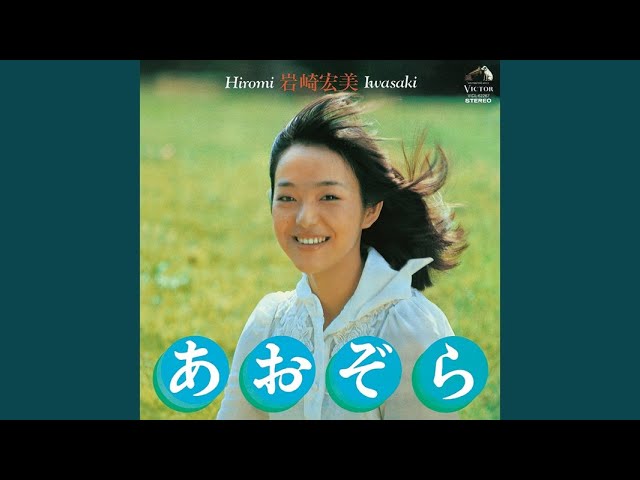
A classic by Hiromi Iwasaki that joyfully sings of a maiden’s heart falling in love, set to a lively melody.
Released on July 25, 1975 as her second single, it became a major hit, reaching No.
1 on the Oricon chart.
With lyrics by Yu Aku and music by Kyohei Tsutsumi—two masters who represent Japan’s music world—this song was born from their collaboration.
Iwasaki’s crystal-clear voice beautifully captures both the exhilaration and the bittersweet feelings of a woman in love.
It’s a heartwarming track that evokes the sweet and sour memories of youth.
A true gem of a song that everyone struggling with love should hear.
My Dear EllieSazan Ōrusutāzu74rank/position

A gem of a love ballad that depicts the bittersweet longing to start over, intertwined with deep love for a partner and regret over having hurt them in the past.
Warm in tone, it opened up a new frontier for Southern All Stars.
Released as a single in March 1979, it reached No.
2 on the Oricon Weekly Chart.
It is also known as the theme song for the drama “Fuzoroi no Ringo-tachi” (Uneven Apples).
In 1989, Ray Charles covered it in English as “Ellie My Love,” further elevating its international acclaim.
A timeless masterpiece that resonates in the heart when reflecting on a cherished relationship, it continues to be loved across generations.
I just can’t stopYamamoto Rinda75rank/position

This is a classic by Linda Yamamoto, distinguished by its passionate samba rhythm that makes your heart dance from the very first listen.
The song, which captures the unstoppable rush of emotions when falling in love, made a vivid impact on the music scene at the time.
Released as a single in June 1972, it became a major hit with over 300,000 copies sold and was also included on the album “Dōnimo Tomaranai” released the same year.
It went on to win the Composer’s Award at the 14th Japan Record Awards, and years later was used as the ending theme for the anime “Legends: Reincarnated Dragon King Legend.” Give it a listen when you want to boost your mood on a summer drive or revisit a nostalgic page of your youth.
ShipwreckNakamori Akina76rank/position

An emotionally rich ballad depicting a woman’s heart adrift in deep loneliness after losing the one she loves.
Originally released by Tokiko Kato in 1984, the song was covered by Akina Nakamori in 1987 and performed at the 38th NHK Kōhaku Uta Gassen.
While her mind tells her to “give up,” her emotions overflow and drive her to want to chase after her beloved—feelings that Nakamori’s sultry vocals express to perfection.
The song won the Gold Prize at the 29th Japan Record Awards and topped the Oricon charts, achieving an astonishing 410,000 copies sold.
It has also inspired numerous covers by renowned artists such as Kaori Momoi and Tomomi Kahala.
A gem of a masterpiece to listen to alone, quietly, when heartbreak leaves you on the verge of breaking.
Yoko of the Port, Yokohama, YokosukaDaun Taun Bugiugi Bando77rank/position

This song captivates with lyrics that unfold like a spoken narrative and a rock sound rooted in the blues.
Set in the two port towns of Yokohama and Yokosuka, its story of a man searching for a missing woman poignantly captures his sorrow, leaving a deep impression on listeners.
Incorporating the American talking blues style crafted by Ryudo Uzaki, its innovative arrangement favors speaking over singing, bringing a fresh breeze to the music scene of the time.
Since its release in April 1975, the work spent five consecutive weeks at No.
1 on the Oricon weekly chart.
With a recitative, storytelling delivery, it’s a song that even those lacking confidence in their vocal technique can enjoy performing.
Why not let yourself drift with its unhurried flow and sing while picturing the scenery of the harbor towns?