

[Ages 60s] Popular Japanese Music / J-POP Rankings [By Generation]

We’re excited to present the latest Top 100 rankings of Japanese music and J-POP for the 60s generation, all in one go, ordered by the highest number of plays!
Music’s true charm is how it brings back memories—songs you used to listen to or tracks that were once all the rage can instantly transport you back, connecting with your own experiences.
Why not take a moment to immerse yourself in the music—and in yourself?
Our playlist is updated every week.
- [2026 Edition] Songs Loved by People in Their 60s: Classic Hits from Their Youth
- Ranking of Popular Japanese Music and J-POP Artists Among People in Their 60s [2026]
- [For People in Their 60s] Karaoke Songs That Get the Crowd Going: Ranking [2026]
- Popularity Ranking of Songs by Generation: 60s [2026]
- Popular Japanese songs among men in their 60s: recommended masterpieces and classic tracks
- Recommended for women in their 60s! Songs that get the crowd going at karaoke
- [50s] Popular Japanese Music / J-POP Rankings [By Generation]
- Good songs recommended for people in their 60s: classic and popular Japanese tracks
- Recommended Summer Songs for People in Their 60s: Classic and Popular J-Pop Hits [2026]
- [60s] Karaoke Popularity Rankings by Generation [2026]
- A love song that makes a man in his sixties relive his youth. Timeless classics that rekindle the romances of those days.
- Love songs that resonate with women in their 60s: gem-like romance tunes that revive memories of youth.
- Band Rankings Popular Among People in Their 60s [2026]
[60s] Popular Japanese Music / J-POP Ranking [By Generation] (71–80)
Like the flow of a riverMisora Hibari78rank/position

A gem of a masterpiece released in April 1989 by Hibari Misora, this song extols the beauty of living by surrendering yourself to the waves of life.
It was the final track released in her lifetime, created with a message for younger generations.
Personally chosen by Hibari herself, the song likens the flow of life to a river, expressing the importance of believing that peaceful times will eventually come, even when faced with hardships and challenges.
Highly recommended for those who want to enjoy a heartfelt moment at karaoke.
This work offers a chance for self-reflection—why not make your time at karaoke even more special with this song?
In the Great Sky and on the Vast EarthMatsuyama Chiharu79rank/position

For those who are looking for a work that gently gives you a push when your heart feels weary, this may be the one.
This song by Chiharu Matsuyama is a classic included on the album “Kimi no Tame ni Tsukutta Uta,” released in June 1977.
It’s a familiar tune that was also featured on the soundtrack related to the drama “The Ugly Duckling” and used in a Seicomart milk commercial.
The lyrics express a resolve to seize happiness with one’s own hands amid vast nature, softly resonating with those struggling against life’s headwinds.
There’s even a well-known episode in which the artist sang it onboard a plane to encourage passengers during a delay.
It’s a number you’ll want to play when you need to take a breather.
Pink sighTakahashi Mariko80rank/position
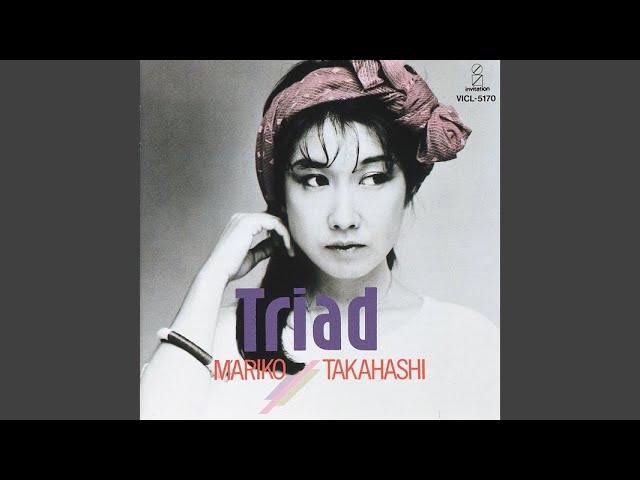
Mariko Takahashi’s classic “Momoiro Toiki.” It features a distinctly exotic melody and, while it carries elements of mood kayō (mood enka), it also incorporates contemporary J-pop characteristics.
The piece sits within a relatively narrow vocal range of mid1 G# to high C.
Since the most frequent pitch is around mid2 G#, most women should be able to sing it without difficulty.
As the song prioritizes mood, it’s recommended to sing with careful dynamics.
If a phrase ends with a consonant, letting it fade out as a voiceless sound can be an effective touch.

[60s] Popular Japanese Music / J-POP Rankings [By Generation] (81–90)
Space Battleship Yamatosasaki isao81rank/position

A signature song by Isao Sasaki that sings of a grand tale set in space.
Released as a single in October 1974, it was used as the opening theme for the anime of the same name.
The powerful vocals and moving melody vividly portray the resolve and hope of the brave warriors who rose to save Earth.
Universal themes of love and sacrifice, courage and determination are sure to resonate deeply with listeners.
It’s a track that will give you a boost when you’re tired or need energy.
Experience this classic packed with the full appeal of Isao Sasaki, a giant in the world of anime songs.
youKozaka Akiko82rank/position

“Anata” is a song released by Akiko Kosaka in 1973, known for its gentle vocals and melodies that resonate with the heart.
Its bittersweet lyrics have continued to be cherished through changing times, making it an enduring classic frequently chosen for karaoke.
The more you listen, the more its charm draws you in, and it has become a piece passed down across generations.
While the clear high notes require technique to sing, they further enhance the song’s dramatic worldview.
This track, which evokes the feeling of traveling beyond eras, is a special piece for those who nostalgically recall youth around the 1970s, and it remains beloved by many to this day.
I LOVE YOUOzaki Yutaka83rank/position

Released in 1983, this is Yutaka Ozaki’s signature love ballad—so famous that almost everyone knows it.
I’ve taught “I LOVE YOU” in lessons several times, and I feel it’s a tough song for people who struggle with falsetto; many students actually used this song to practice it.
You shouldn’t need to change the key—the original should be comfortable to sing.
Since some people aren’t confident with falsetto, let’s review the key points.
If you’ve mostly been singing in chest voice, you’re probably used to pushing with just your voice without using much breath.
To use your breath properly, humming is important.
Do a nasal hum to create nasal resonance so the sound vibrates in your nose.
Be careful not to force it with your throat.
After a light hum, keep the resonance in the same place and let your singing voice become thinner and lighter.

metropoliskurisutaru kingu84rank/position

This song delicately portrays the feelings of people pursuing their dreams.
Released in November 1979, it dominated the top of the charts for six consecutive weeks from February to March of the following year, becoming a million-seller.
It also served as Crystal King’s re-debut single, born from the spirit of challenge and resolve of men from Kyushu.
Many will surely relate to the protagonist, who leaves his hometown to face destiny in an unfamiliar city.
An English gospel-style arrangement was used in a Honda CR-V commercial, and the song continues to be loved across generations.
It’s a track that gives you a push when you want to strive toward your dreams.