

[Ages 60s] Popular Japanese Music / J-POP Rankings [By Generation]

We’re excited to present the latest Top 100 rankings of Japanese music and J-POP for the 60s generation, all in one go, ordered by the highest number of plays!
Music’s true charm is how it brings back memories—songs you used to listen to or tracks that were once all the rage can instantly transport you back, connecting with your own experiences.
Why not take a moment to immerse yourself in the music—and in yourself?
Our playlist is updated every week.
- [2026 Edition] Songs Loved by People in Their 60s: Classic Hits from Their Youth
- Ranking of Popular Japanese Music and J-POP Artists Among People in Their 60s [2026]
- [For People in Their 60s] Karaoke Songs That Get the Crowd Going: Ranking [2026]
- Popularity Ranking of Songs by Generation: 60s [2026]
- Popular Japanese songs among men in their 60s: recommended masterpieces and classic tracks
- Recommended for women in their 60s! Songs that get the crowd going at karaoke
- [50s] Popular Japanese Music / J-POP Rankings [By Generation]
- Good songs recommended for people in their 60s: classic and popular Japanese tracks
- Recommended Summer Songs for People in Their 60s: Classic and Popular J-Pop Hits [2026]
- [60s] Karaoke Popularity Rankings by Generation [2026]
- A love song that makes a man in his sixties relive his youth. Timeless classics that rekindle the romances of those days.
- Love songs that resonate with women in their 60s: gem-like romance tunes that revive memories of youth.
- Band Rankings Popular Among People in Their 60s [2026]
[60s] Popular Japanese Music / J-POP Rankings [By Generation] (91–100)
Stars on EarthNakajima Miyuki92rank/position

Miyuki Nakajima’s classic “Chijō no Hoshi” has earned support across a wide range of generations.
While the song is memorable for its incredibly powerful, almost growling vocals, the actual pitch movement isn’t that extreme.
The vocal range is compact, from mid1F to hiA#, and at BPM 100 the tempo is also relaxed.
Even so, the song achieves that level of impact not only through Nakajima’s singing style but also thanks to its strong composition.
Adding a shout at the opening lines brings you closer to the intensity of the original, so if you want to really heat up the karaoke room, try incorporating shouts and give it a shot.

Time goes byEvery Little Thing93rank/position
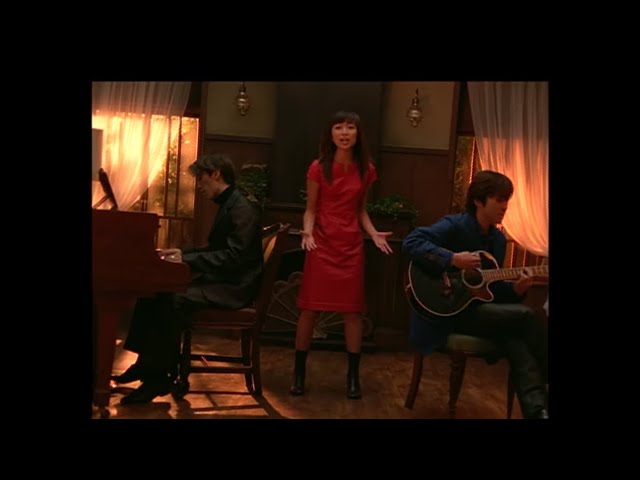
This is a song by Every Little Thing that captures the bittersweet emotions after a heartbreak.
It reflects on a past relationship, expressing self-reflection while conveying that feelings for the other person still remain.
The relatable imagery resonates deeply.
Used as the theme song for the drama “Amai Kekkon” (“Sweet Marriage”), it touched many hearts.
Released in February 1998, it reached No.
2 on the Oricon chart.
It has since been included on best-of albums and anniversary live recordings, and continues to be loved over time.
It’s a recommended track for when you want to heal the pain of a breakup or look back on memories with someone special.
TSUNAMISazan Ōrusutāzu94rank/position

Known as a masterpiece that likens the pain of heartbreak to a tsunami, this work is a moving love song celebrated as one of Southern All Stars’ signature pieces.
It’s a gem of a ballad that expresses the sorrow of losing someone dear through a grand melody, fully showcasing Keisuke Kuwata’s exceptional songwriting and composing talent.
Released in January 2000, it topped the Oricon weekly charts and won the Japan Record Award the same year.
It was also selected as the theme song for the popular segment “Mirai Nikki III” on the TV program “U-nan no Hontoko!,” becoming a classic beloved across generations.
As a heartwarming song that offers comfort to those carrying the pain of losing someone special, it’s also highly recommended for karaoke.
Boy in the back alleyHamada Shogo95rank/position

This song, which is also Shogo Hamada’s debut single, was released in 1976.
It’s a coming-of-age song that sings about his memories from ages 16 to 22 spent in Yokohama, and just the intro alone is enough to fire up Hamada’s fans.
Reissued singles were released in 1989 and 2005.
When singing it at karaoke, it’s really cool if you can nail the part where the chorus jumps up an octave.
It should be a lot of fun if everyone claps along and gets into it together.

Tsugaru Strait – Winter SceneIshikawa Sayuri96rank/position

It is a masterpiece that richly depicts a cold winter landscape with deep emotion.
The feelings of people traveling from Aomori to Hokkaido are woven into the beautiful melody.
Sayuri Ishikawa’s clear, translucent voice vividly brings to life the snowy scenery and the nearly freezing seagulls.
Released in April 1977, the song drew a huge response, including a performance at that year’s NHK Kōhaku Uta Gassen.
Its lyrics evoke the atmosphere of the era when the Seikan ferry was still in service, resonating with those who long for nostalgia.
It’s also a recommended song for lovers huddling together against the winter chill.
teacherMori Masako97rank/position

Although it was Masako Mori’s debut single, “Sensei” is also known as one of her signature songs.
Its nostalgic, simple melody that evokes the mood of Showa-era pop, along with lyrics about a tender, secret crush on a teacher from a young girl’s perspective, leave a strong impression.
The tempo is easy to follow, making it a great recommendation for seniors to sing at karaoke! If you include this song in a day-service karaoke activity, you could spice it up with hand clapping to build excitement and add call-and-response parts in the chorus.

A Midsummer IncidentHirayama Miki98rank/position

The moment you hear Miki Hirayama’s languid, dry husky voice, it feels like you’re being whisked away to a midsummer night.
At first glance, this song seems like a bittersweet love story, but the bold theme hidden in the lyrics stirs a bewitching imagination in the listener.
Beyond Kyōhei Tsutsumi’s funky groove, the urban sound is just irresistibly cool.
Released in May 1971, the piece earned Tsutsumi the Composer’s Award at the 13th Japan Record Awards.
It was later featured as an insert song in the film “Minna—Yatteru ka!” directed by Takeshi Kitano.