


Rice is an essential part of our lives.
How much do you know about the deep knowledge and trivia surrounding it? From the rice-planting season and the best ways to store rice, to age-old folklore passed down through generations.
Let’s take on a quiz packed with surprising tidbits—from basic common knowledge you’ll want to know to fun trivia you’ll want to share—that will make you say, “Wow!” Deepen your understanding of rice while having fun with family and friends!
- Trivia and fun facts about food (summary)
- [Trivia] A quiz to deepen your corn knowledge
- Get the party started at your autumn food gathering! A collection of surprising trivia quizzes and fun facts you might not know
- Deepen your knowledge of food! A three-choice trivia quiz
- Trivia quiz with useful tips to know: fun facts that come in handy at school or at home [for kids]
- A quiz of fun trivia: bite-sized knowledge that leads to new insights.
- Get kids excited at the autumn food party! Trivia quiz and fun facts
- [Trivia] Challenge! Spring General Knowledge Quiz
- So nostalgic! A lively school lunch quiz. Let’s look back on those memories from back then.
- Corn trivia quiz: from history and cultivation to delicious ways to eat it
- How Much Do You Know? Food Quiz for Elementary School Students
- Exciting! Trivia quizzes that you’ll want to tell others about. A collection of surprisingly little-known facts.
- How many do you know? An earthquake trivia quiz: from general knowledge to fun facts
How many can you solve? Trivia and fun facts quiz about rice (1–10)
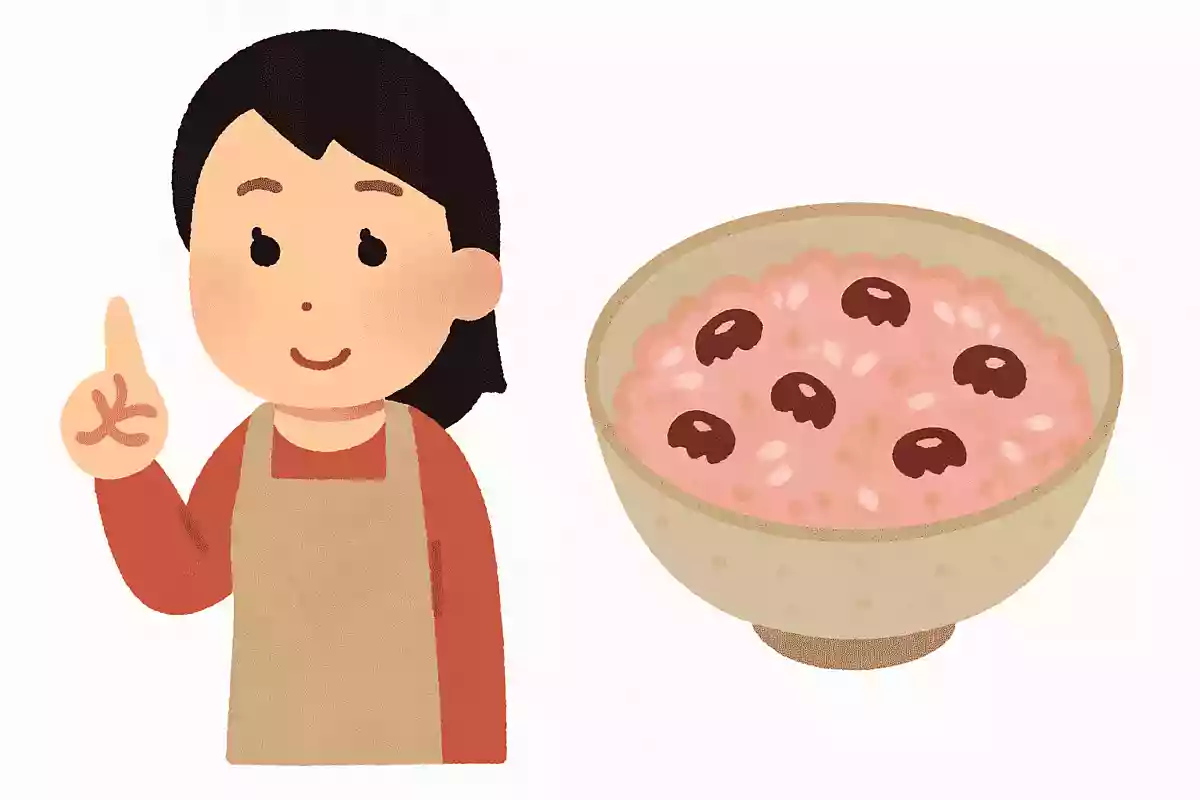
Sekihan is made red by cooking glutinous rice together with what?
- red pickled ginger
- plum
- adzuki (red bean)
See the answer
adzuki (red bean)
The red color of sekihan (festive red rice) comes from cooking glutinous rice together with azuki beans; the color from the beans seeps out and dyes the rice red. The cooking liquid from the azuki contains a pigment called anthocyanin, which is what colors the rice.

Which bird is known for playing an important role in rice cultivation by eating weeds and pests?

- duck
- pigeon
- sparrow
See the answer
duck
When ducks are released into rice paddies, they eat weeds and aquatic pests, making a significant contribution to rice cultivation. This method is called the “aigamo farming method,” and it is an eco-friendly approach that helps reduce the use of chemical pesticides. The ducks’ droppings also serve as an important fertilizer for the rice.
What color are rice flowers?
- yellow
- red
- white
See the answer
white
Rice flowers are very small, with whitish petals. You can’t see them well from a distance, but if you look closely, you’ll notice they are white. That’s why they’re easy to miss in the paddies, yet rice does bloom with lovely white flowers. By the way, they’re said to bloom only for about two hours in the morning around August.
Which vegetables are effective for preventing bugs in rice?
- carrot
- onion
- chili pepper
See the answer
chili pepper
The vegetable that has long been used as an insect repellent when storing rice is chili pepper. When chili peppers are stored together with rice, the capsaicin they contain makes it harder for insects to approach, so they have traditionally been used to prevent infestations.
Where is a good place to store rice to make it last longer?

- refrigerator
- freezer
- balcony
See the answer
refrigerator
Rice is sensitive to heat and humidity, and leaving it at room temperature or in sunny spots accelerates deterioration. In particular, temperatures above 20°C make insects and mold more likely to appear. If you store rice in an airtight container in the refrigerator’s vegetable compartment, the lower temperature and humidity help it last longer and prevent insects and mold.
Which country eats the most rice in the world?
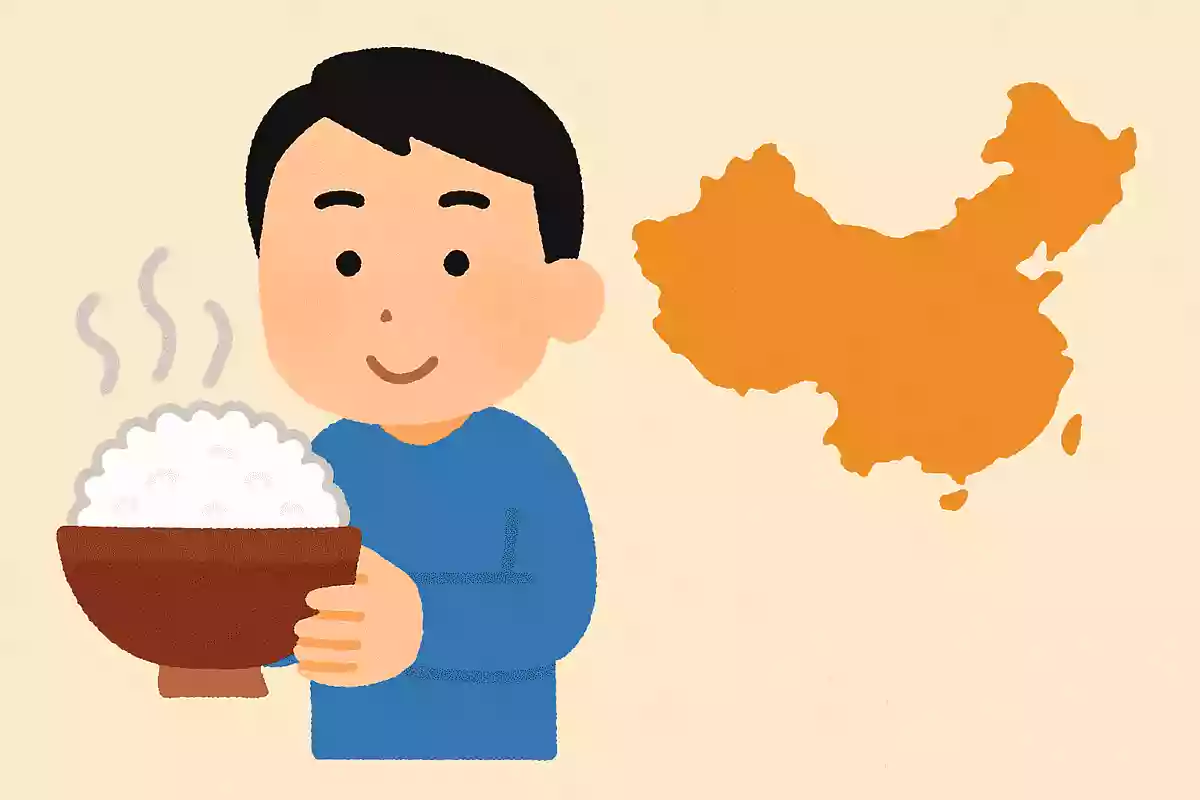
- Bangladesh
- Cambodia
- Japan
See the answer
Bangladesh
The country with the highest per capita rice consumption in the world is Bangladesh. Most of its people eat a large amount of rice every day, and it is indispensable as a staple food. Even among Asian countries, rice culture is particularly deeply rooted there. Laos and Cambodia follow. Incidentally, Japan ranks 50th.
In Japan, it has long been said that “there are ○ gods dwelling in a single grain of rice,” a saying used to teach the importance of valuing food. Now, which of the following numbers fits in the ○?
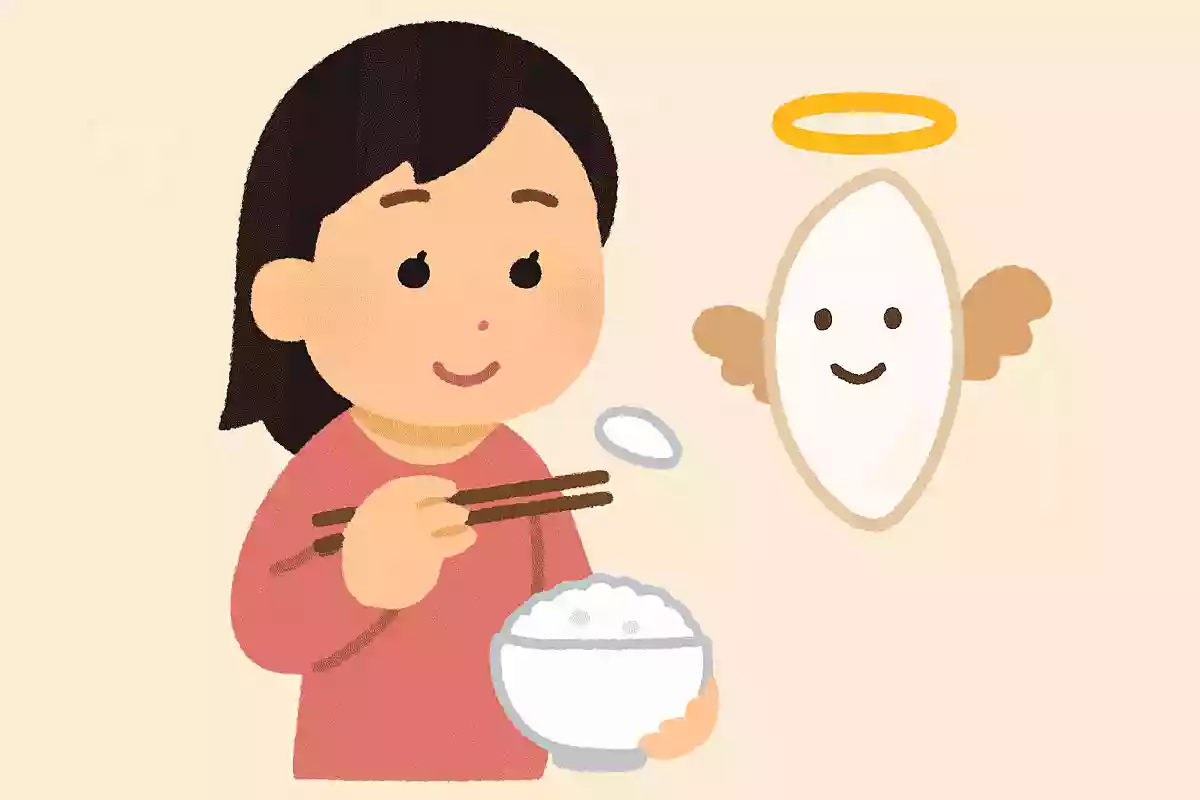
- 1 person
- 5 people
- 7 people
See the answer
7 people
The correct answer is “seven people.” There’s a saying that “seven gods dwell in a single grain of rice.” These seven gods refer to water, earth, wind, insects, clouds, the sun, and people. The phrase carries the message that we should eat with gratitude and not waste rice or food.