

How many can you answer? Trivia and fun facts quiz about rice

Rice is an essential part of our lives.
How much do you know about the deep knowledge and trivia surrounding it? From the rice-planting season and the best ways to store rice, to age-old folklore passed down through generations.
Let’s take on a quiz packed with surprising tidbits—from basic common knowledge you’ll want to know to fun trivia you’ll want to share—that will make you say, “Wow!” Deepen your understanding of rice while having fun with family and friends!
- Trivia and fun facts about food (summary)
- [Trivia] A quiz to deepen your corn knowledge
- Get the party started at your autumn food gathering! A collection of surprising trivia quizzes and fun facts you might not know
- Deepen your knowledge of food! A three-choice trivia quiz
- Trivia quiz with useful tips to know: fun facts that come in handy at school or at home [for kids]
- A quiz of fun trivia: bite-sized knowledge that leads to new insights.
- Get kids excited at the autumn food party! Trivia quiz and fun facts
- [Trivia] Challenge! Spring General Knowledge Quiz
- So nostalgic! A lively school lunch quiz. Let’s look back on those memories from back then.
- Corn trivia quiz: from history and cultivation to delicious ways to eat it
- How Much Do You Know? Food Quiz for Elementary School Students
- Exciting! Trivia quizzes that you’ll want to tell others about. A collection of surprisingly little-known facts.
- How many do you know? An earthquake trivia quiz: from general knowledge to fun facts
How many can you solve? Trivia and fun facts quiz about rice (1–10)
What do you call rice that doesn’t need to be washed?
- glutinous rice
- pre-washed rice
- brown rice
See the answer
pre-washed rice
Musenmai (pre-washed rice) is rice from which the bran and other residues on the surface have been removed in advance, so it can be cooked without washing. Not only does it save effort, but it also conserves water, making it popular among busy people today. On the other hand, glutinous rice and brown rice need to be washed.

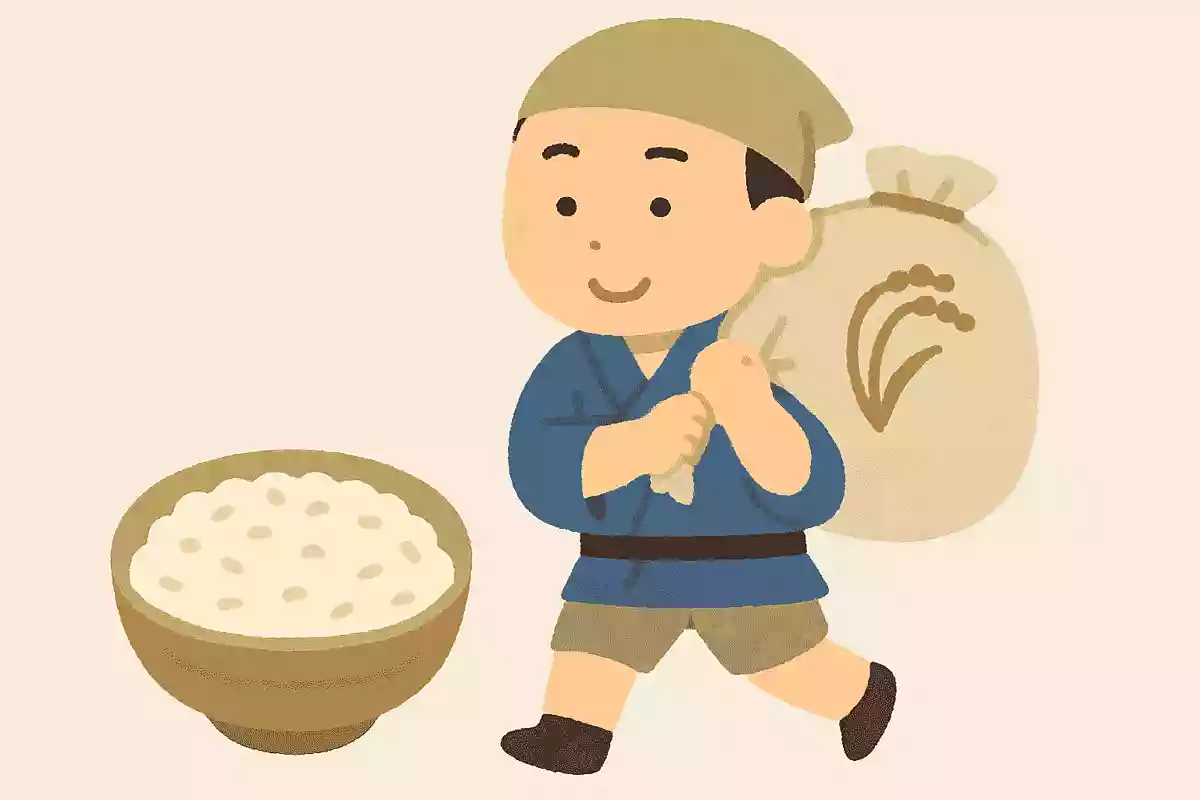
Like modern taxes, people used to pay rice to the state in the past. What was the rice they paid called?
- rice paid as land tax (tribute rice)
- tribute rice
- tribute rice
See the answer
rice paid as land tax (tribute rice)
Nengu-mai refers to rice and other agricultural products, or in-kind taxes in place of them, that peasants paid to landowners or the shogunate mainly during Japan’s Edo period. It can be considered a prototype of today’s tax system, in which peasants delivered rice to the state according to the land’s production.
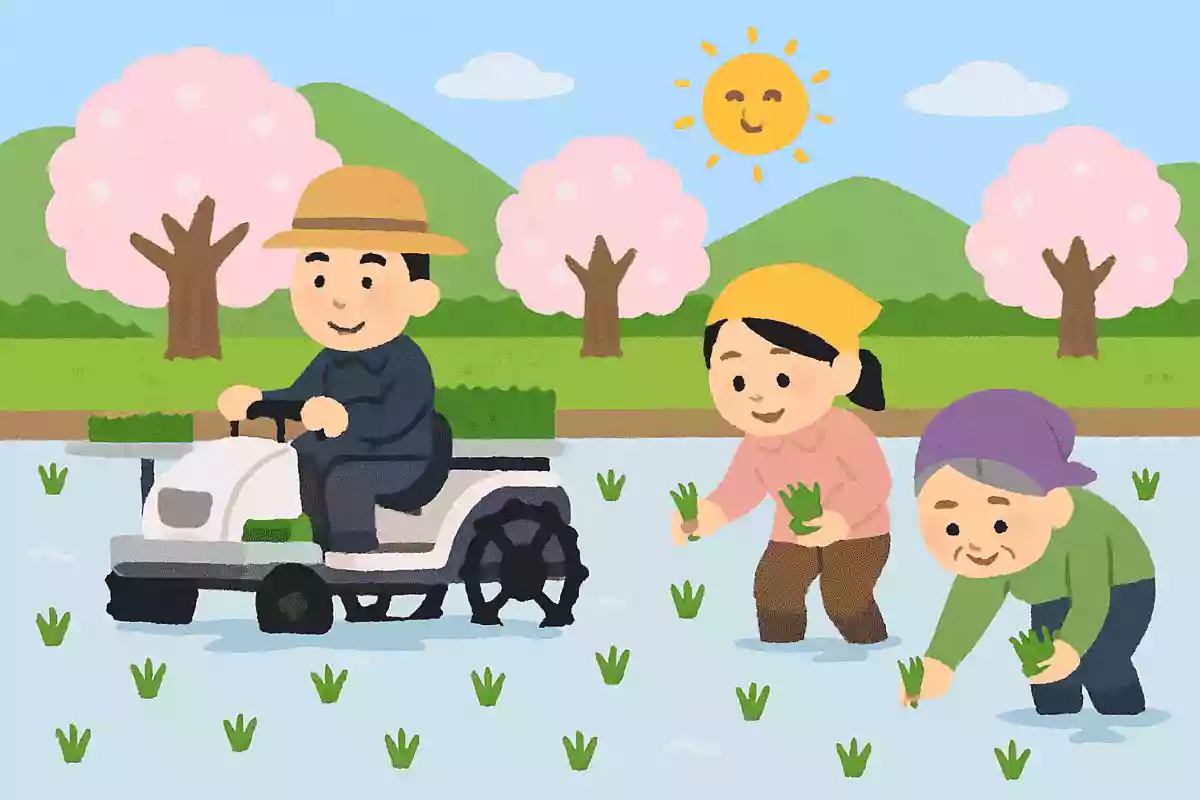
When is the rice-planting season?
- March–April
- May–June
- July–August
See the answer
May–June
Rice planting is generally done around May to June. The timing varies slightly by region, but this period is the most common in Japan. By planting in spring, the rice grows during the warm summer and can be harvested in autumn.
How many can you answer? Rice-related trivia and fun facts quiz (11–20)
What do you call rice before it is milled?
- brown rice
- white rice
- glutinous rice
See the answer
brown rice
Polishing rice refers to the process of removing the outer bran and germ from brown rice to produce white rice. Rice before this polishing process is called “brown rice.” Brown rice is known to be rich in nutrients, containing more dietary fiber and vitamins than white rice, and it is also recognized for its superior shelf life.
Which of the following prefectures has the highest rice production?
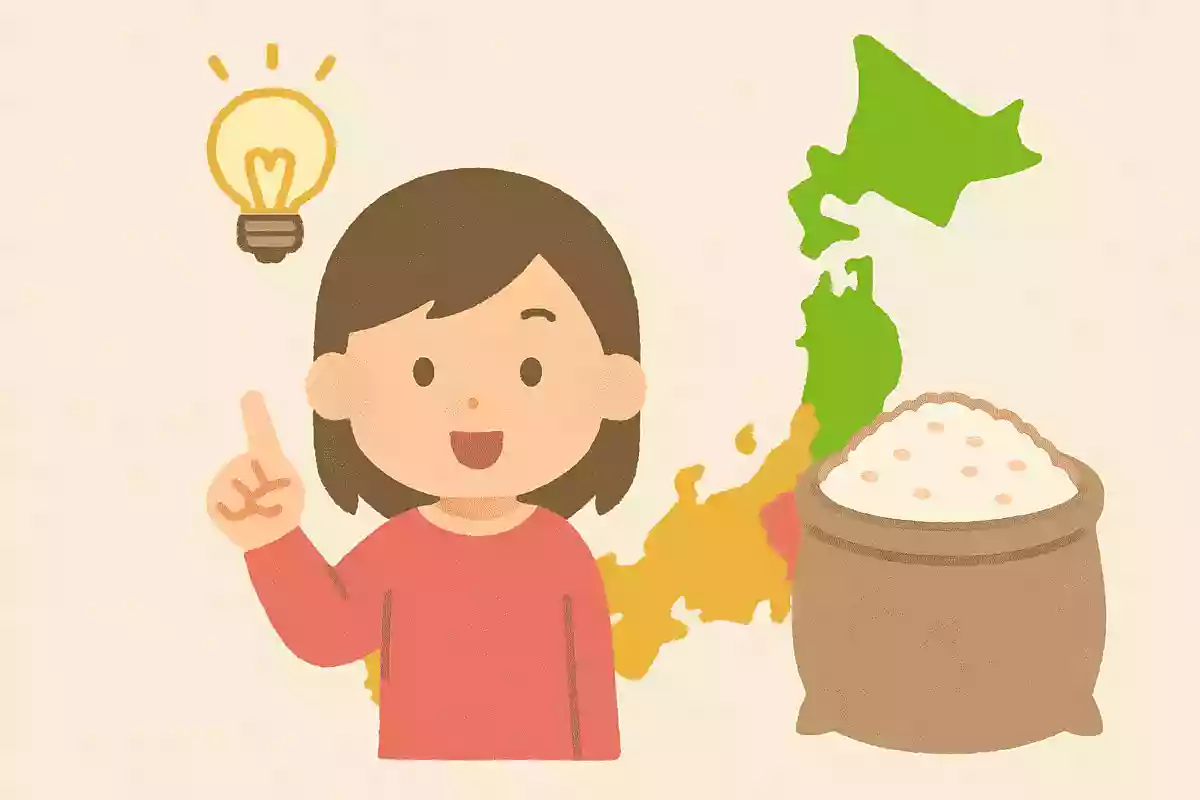
- Hokkaido
- Niigata Prefecture
- Akita Prefecture
See the answer
Niigata Prefecture
Niigata Prefecture has the largest rice production in Japan. Blessed with fertile soil, abundant water resources, and a moderate climate, Niigata produces large quantities of high-quality rice, notably the Koshihikari variety. Among the other options, Hokkaido ranks second and Akita Prefecture ranks third.
When rice was introduced from China, what color was the rice?
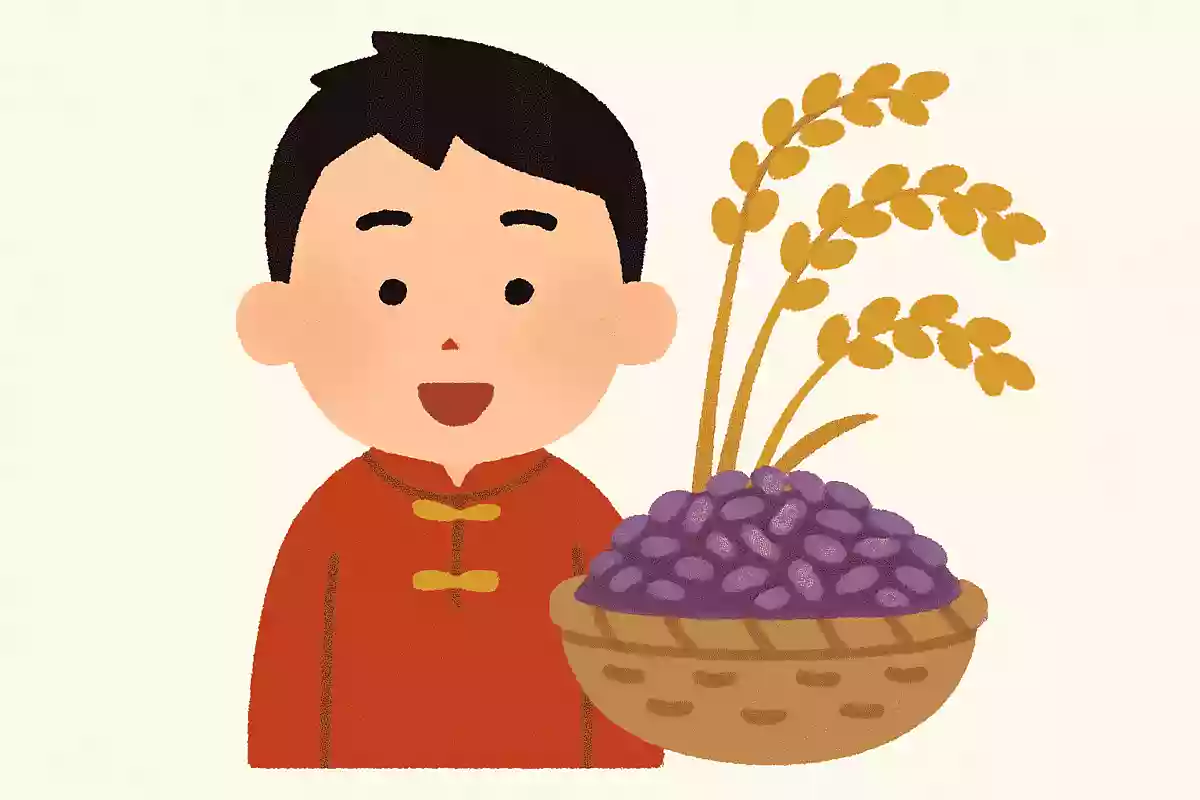
- white
- black
- red
See the answer
red
The first rice brought from China to Japan was a variety called “akamai” (red rice). Red rice is characterized by a reddish-brown husk and bran layer, and because the technology to mill rice into white rice like we have today did not yet exist at the time, red-colored rice was the mainstream.
Which of the following animals helped with the work in the era before machines for tilling rice fields existed?
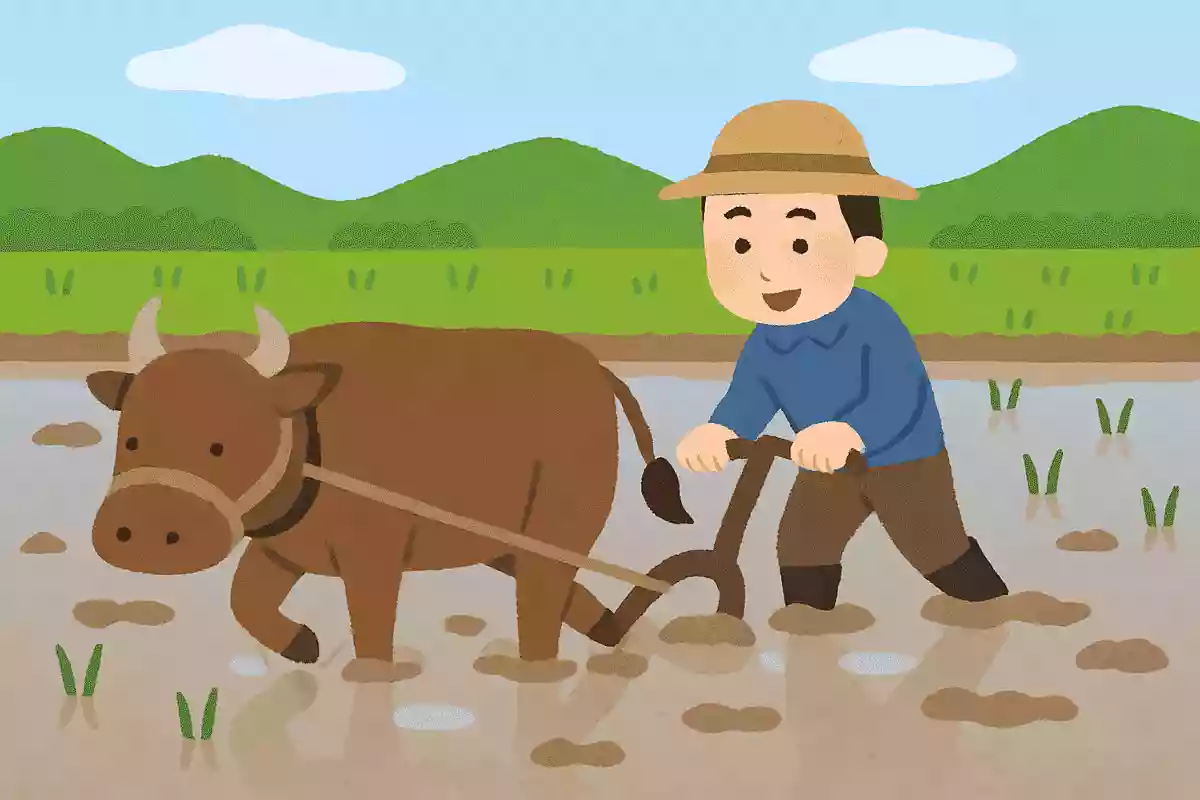
- cow
- dog
- cat
See the answer
cow
In the past, since convenient machines like those we have today had not been invented, everything was done by hand. However, because great strength was needed to plow rice fields, oxen had long been valued as helpers in farm work.