

[Beginner’s Guide] Japanese Traditional Performing Arts — Introducing Masterpieces of Rōkyoku [Naniwabushi]

Rōkyoku, a traditional Japanese performing art dating back to the Edo period and also known as Naniwabushi, is a distinctive narrative art in which tales of human emotions and historical stories are conveyed with rich feeling, set to the accompaniment of the percussive shamisen.
A single storyteller—called a rōkyokushi—portrays multiple characters, skillfully interweaving song and spoken narration to unfold the story.
The repertoire is remarkably diverse, ranging from duty-and-humanity pieces depicting the joys and sorrows of common folk to period dramas featuring historical heroes.
In recent years, young rōkyoku performers have been gaining prominence, actively embracing contemporary interpretations and staging new works.
For those intrigued by rōkyoku, we introduce some representative pieces here.
We hope you enjoy this article, which also serves as a perfect introduction.
- Showa-era masterpieces roundup: A must-listen collection of nostalgic oldies and hit songs
- [Local Songs] Recommended tracks packed with Japan’s nationwide classics and hometown pride
- The Spirit of Japan: A Collection of Famous and Popular Shamisen Pieces
- Women’s Enka: A collection of classic enka songs expressing women’s emotions
- [Song of Osaka] A selection of passionate, warm-hearted Osaka tunes
- An enka song about the Sea of Japan. A collection of famous songs themed around the great ocean.
- Recommended BGM for YouTube Shorts! Popular songs released in the Reiwa era
- [2026] A Collection of Classic Enka and Kayōkyoku Songs About Nagasaki [Local Songs]
- [Flower News] A Collection of Hiroshi Takeshima’s Easy-to-Sing Songs [2026]
- Traditional Japanese Music: Famous Pieces of Gagaku and Kagura. Recommended Traditional Japanese Music
- “Japanese Traditions”: Japanese Festival Music (Jun Hōgaku)
- Men’s enka: a collection of classic songs portraying the way men live and their fighting spirit
- [For Beginners] Recommended Enka Classics for Karaoke — Women Singers Edition
[Beginner’s Guide] Japanese Traditional Performing Arts: Introducing Masterpieces of Rōkyoku (Naniwa-bushi) (1–10)
Rihei AmanoyaShodai Kasugai Baiō
This work is one of the rōkyoku performances based on the story of Chūshingura and is known as a signature piece by the first Kasugai Baiō.
It is included on a CD released by Teichiku Entertainment in 1995, featuring revived recordings originally made in 1969 and 1973.
Narrated to the accompaniment of shamisen, the piece portrays the obligations and human sentiment surrounding the Akō rōnin, delivering a weighty narrative centered on samurai loyalty and resolve.
Baiō’s clear melodic phrasing and beautiful voice are on full display, and the dynamic shifts drive listeners deeply into the world of the story.
It is a must-listen for those who want to savor the interplay of narration and melody unique to rōkyoku, or who are interested in period human-interest tales.
Mother of My EyesAmatsu Hagoromo
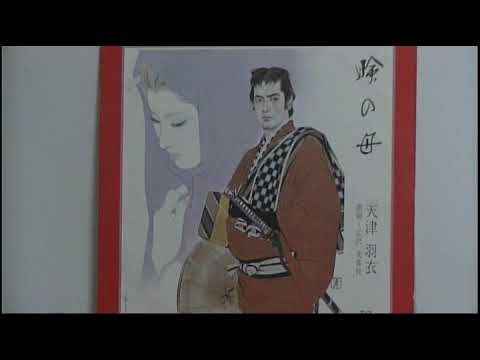
This work tells a heartrending story about Chutaro, a yakuza drifter who has longed for the mother he was separated from in childhood.
Based on a play by Shin Hasegawa and performed to shamisen accompaniment, it lets you fully savor the distinctive narrative style and melodic phrasing unique to rokyoku.
As a signature entry in Hagoromo Amatsu’s celebrated “mother-themed” series, it was released by Teichiku Entertainment in November 1995 and reissued in November 2015.
The plot, in which mother and son reunite only for fate to cruelly entangle their lives, is sure to bring listeners to tears.
It’s an excellent introduction to rokyoku—and a piece to listen to closely when you wish to renew your feelings for your mother.
The One-Sword Sumo Ring EntrySawa Takako

A human drama by Shin Hasegawa, passed down as a representative piece of rokyoku.
It tells the story of the bond between Shobei Komagata, who dreams of becoming a sumo wrestler, and the geisha Otsuta.
The scenes in which Otsuta offers her coin purse and hairpin to the impoverished Shobei, and then, ten years later, when Shobei—his path to yokozuna cut off—appears to save Otsuta’s family from debt collectors, bring the sorrows and warmth of life movingly to the fore alongside the sound of the shamisen.
This piece was performed in 1955 by Takako Sawa in a script adapted by Isamu Ikegami, and it has been presented on stage for many years since.
The unique blend of narrative and melodic phrasing that defines rokyoku vividly conveys the pride of a man whose dreams have been dashed and the subtle currents of human kindness.
It is a work that will resonate with those who have tasted life’s joys and hardships, and with anyone moved by tales of duty and compassion.
[Beginner’s Guide] Japanese Traditional Performing Arts: Introducing Masterpieces of Rōkyoku [Naniwabushi] (11–20)
Farewell in the Snow on Nanbu HillMinami Haruo

A masterful long-form kayō-rokkyoku that brilliantly fuses rōkyoku narrative singing with popular song.
Released in 1962, this work is set in the world of Chūshingura and portrays a farewell scene among samurai on snowy Nanbuzaka in Edo.
With Haruo Minami’s signature powerful, lustrous voice, narration and singing are exquisitely interwoven as the story unfolds.
Over the approximately 15-minute runtime, themes of duty and human feeling, as well as samurai pride and poignancy, are expressed with rich emotion.
Credited under the name Toji Kitamura, Minami himself handled the lyrics and structure, showcasing both his skill as a rōkyoku performer and his expressive power as a singer.
It is a true classic recommended for those who enjoy period pieces based on traditional Japanese tales and for anyone who wants to discover the appeal of the art of rōkyoku.
Lullaby of AkagiShodai Kasugai Baiō

This work is a rōkyoku (traditional Japanese narrative singing) adaptation of a popular kayōkyoku song that became a big hit in 1934 when sung by Taro Shoji.
The story depicts the sorrow and human warmth of a man living in the chivalrous underworld: Chūji Kunisada carries on his back Kanbō, the orphaned son of a subordinate who ended up killing his own uncle, and sings a lullaby while lamenting his own mistake.
The first-generation Umeo Kasugai’s beautiful voice and the distinctive phrasing known as the “Umeo-bushi,” together with the sound of the shamisen, weave this approximately 25-minute-long epic with rich emotion.
Reworked by Jūgō Chichibu, the piece was reborn as a rōkyoku and was included on the album “Akagi no Komoriuta / Amanoya Rihee,” released by Teichiku Entertainment in November 2015.
As a rare crossover from kayōkyoku to rōkyoku, it serves as a perfect entry point to the genre.
It is a masterpiece highly recommended for those who enjoy tales of duty and compassion or period dramas.
The Tale of Tenpō Suikoden: The Flower Gathering at SasagawaYoshino Shizuka

Set to the resonant timbre of the shamisen, this work vividly differentiates the voices of narrators as they portray the conflicts among chivalrous outlaws at the end of the Edo period.
Against the backdrop of the Tenpō era along the Tone River, tense games of brinkmanship unfold around a banquet hosted by the Sasagawa Shinzō clan.
The scenes shift brilliantly through the interplay of narrative pacing and shamisen responses, and during the bodyguards’ ambush, the shamisen rings out like sound effects, heightening the sense of immediacy.
The shamisen player, Shizu Yoshino, deftly supports the breathing and cadence of storyteller Katsutaro Tamagawa, generating a powerful forward drive in the tale.
Packed with the unique appeal of rōkyoku—depicting a world of duty and human sentiment using only narration and shamisen—this piece is highly recommended even for first-time listeners, thanks to its strongly dramatic, accessible storytelling.
TakadanobabaHaruno Mieko

Known as a masterpiece of rokyoku that depicts the faithful righteousness and chivalrous spirit of samurai in the Edo period, this work recounts scenes celebrated alongside the tale of the Akō Gishi.
Haruno Mieko’s narration masterfully fuses the steady, well-trained projection honed through folk singing with richly ornamented phrasing, vividly conveying both the tension of swordplay and the spirited resolve of a young samurai.
It is also the piece for which her mentor, Haruno Yuriko, received the 1993 Arts Festival Award from the Minister of Education, making it a work through which one can savor the distilled essence of a transmitted art.
Sawamura Sakura’s shamisen shapes the story’s ebb and flow, uniting voice and sound to draw listeners into the world of Edo.
It is an ideal introduction to classical rokyoku and a work we highly recommend to anyone wishing to experience the realm of duty and human compassion.