

![[Beginner’s Guide] Japanese Traditional Performing Arts — Introducing Masterpieces of Rōkyoku [Naniwabushi]](https://i.ytimg.com/vi_webp/OF5OiLLUz6M/maxresdefault.webp)
[Beginner’s Guide] Japanese Traditional Performing Arts — Introducing Masterpieces of Rōkyoku [Naniwabushi]

Rōkyoku, a traditional Japanese performing art dating back to the Edo period and also known as Naniwabushi, is a distinctive narrative art in which tales of human emotions and historical stories are conveyed with rich feeling, set to the accompaniment of the percussive shamisen.
A single storyteller—called a rōkyokushi—portrays multiple characters, skillfully interweaving song and spoken narration to unfold the story.
The repertoire is remarkably diverse, ranging from duty-and-humanity pieces depicting the joys and sorrows of common folk to period dramas featuring historical heroes.
In recent years, young rōkyoku performers have been gaining prominence, actively embracing contemporary interpretations and staging new works.
For those intrigued by rōkyoku, we introduce some representative pieces here.
We hope you enjoy this article, which also serves as a perfect introduction.
[Beginner’s Guide] Japanese Traditional Performing Arts: Introducing Masterpieces of Rōkyoku (Naniwa-bushi) (1–10)
Ishimatsu and the Journey on the Sanjukkoku BoatNidaime Hirosawa Torazō

A sentimental tale about Ishimatsu of the Forest, a henchman of Shimizu Jirocho’s gang, who boards a thirty-koku riverboat on his way back from visiting Konpira Shrine and livens up the journey from Osaka to Fushimi.
This piece is one installment from the Shimizu Jirocho Legends series that the second-generation Hirosawa Torazo excelled at, featuring lively banter and sharp patter aboard the boat.
Ishimatsu’s pride and humanity come through in the storytelling, striking a fine balance between humor and deep-hearted loyalty.
Originally released as a single in April 1958, it was later included on the album Shimizu Jirocho-den: Ishimatsu and the Thirty-Koku Boat Journey, and can also be heard on the 2015 reissue New Select Series of Master Rokyoku Performers: Second-Generation Hirosawa Torazo.
Set to the distinctive shamisen accompaniment characteristic of rokyoku, Torazo’s narrative style vividly evokes the atmosphere of boat travel in the Edo period, making it an ideal introduction to the art of rokyoku.
Sado Love StorySuzuki Yonewaka

Set on Sado Island and in Kashiwazaki, this work portrays a tragic love between a fisherman and a fisherwoman.
It is one of Yonewaka Suzuzuki’s signature performances, released on record in January 1931.
The story follows a young man who is shipwrecked in a stormy sea and rescued by a father and daughter on Sado; he falls in love with the daughter, but a jealous rival’s scheme brings about tragedy.
With its distinctive melodic turns woven with the folk tune “Sado Okesa” and its poignantly expressive narration, it deeply moves listeners.
The record was a major hit and was later adapted into a film.
It’s an ideal piece for those new to the art of rokyoku or for anyone nostalgic for the seas of their hometown.
Savor this evocative world where the rough waves of the Sea of Japan cross paths with the intricacies of human emotion.
The Blood Smoke of AkagiNidaime Hirosawa Torazō
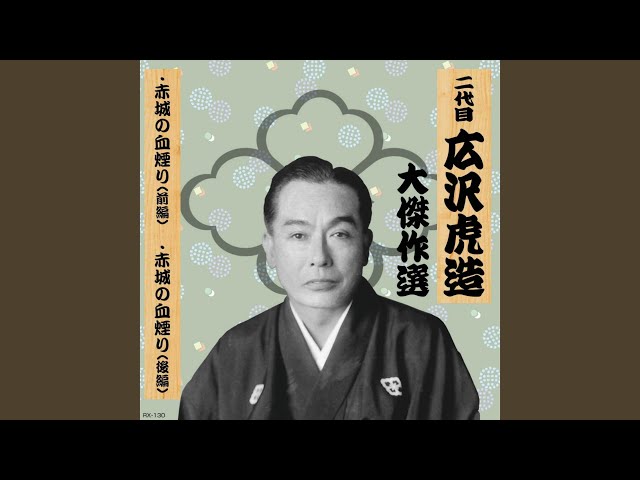
This is a masterful performance that captures the essence of rokyoku, a narrative singing art that has continued since the Edo period, depicting the world of Kunisada Chūji.
Set at the foot of Mount Akagi, it tells a chivalrous tale in which Gantetsu, a renegade monk, rescues Chūji’s gang from danger, delivering a moving story where duty and human compassion intertwine.
The distinctive delivery of the second-generation Hirokawa Torazō—known as the “Torazō-bushi”—blends Kanto and Kansai melodic styles, drawing listeners in with spirited patter and masterful control of tempo and pauses.
It was included on the CD “Kunisada Chūji (Chūji: Blood Mist on Akagi)” released by Teichiku Entertainment in November 1995, with a reissue released in November 2015.
An ideal work for newcomers to rokyoku and for anyone wishing to experience traditional Japanese performing arts.
Gon Fox Sanji, the Kindling SellerTouyeuratarou
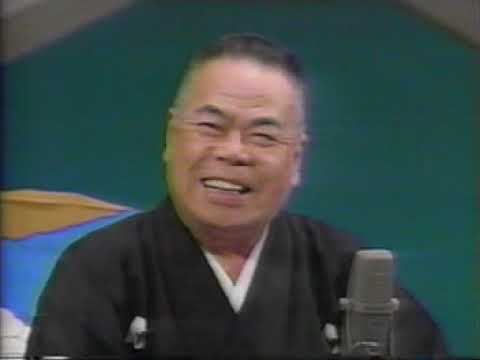
The piece depicting a young boy who goes around selling wood shavings for his mother is a work that distills the very essence of rōkyoku.
As a child burdened by his parents’ debts, Mitsugi lives with all his might while thinking of his ailing, bedridden mother.
His heartrending circumstances and gallant figure are narrated to the sound of the shamisen.
The album Shin Rōkyoku Meijin Tokusen Series, reissued in November 2015, includes this childhood story and drew attention as the first reissue in about twenty years.
The tale woven through narration and melodic phrasing is a true human drama, blending laughter and tears.
It is a work we especially recommend to those encountering rōkyoku for the first time.
Ōno Post TownNidaime Hirosawa Torazō

A signature piece representing the world of rōkyoku that has been passed down since the Edo period.
It depicts an episode from the tale of the chivalrous outlaw Shimizu Jirōchō: set at a post station, the story relates a tense turn of events in which Jirōchō rescues a comrade imprisoned in the magistrate’s residence.
The forceful tirades and richly emotive melodic phrasing of the second-generation Hirokawa Toraozō vividly convey the characters’ feelings and the scene’s tension, drawing listeners deep into the narrative.
The recording Shimizu Jirōchō-den / Ōno no Shukuba / Daikan-giri was released by Teichiku Entertainment in September 1995 and has been reissued many times over the years.
For those new to the art of rōkyoku, as well as lovers of tales of duty and human sentiment, this serves as an ideal introduction that lets you savor the essence of Toraozō’s style.
Takahashi OtsutaKunimoto Haruno
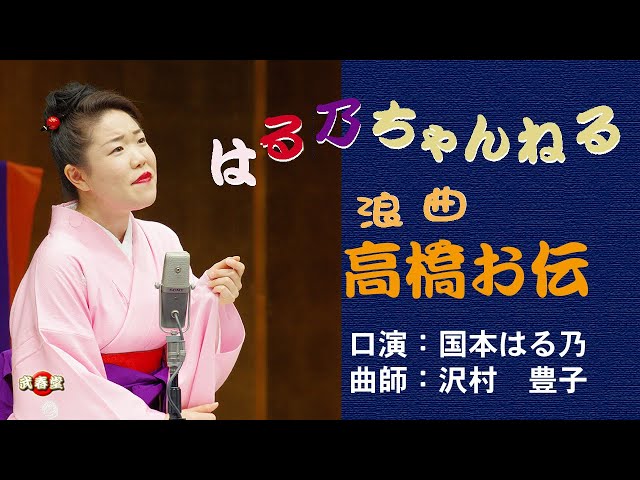
This work is based on a real murder case involving a woman during the Meiji era, but in rōkyoku it is not portrayed as a simple “poisonous woman.” Instead, it is depicted with the theme of a hymn to humanity, casting her as a virtuous wife who, driven solely by the desire to save her gravely ill husband, travels to Tokyo in search of a master physician.
The story vividly conveys, through narrative chant and shamisen phrasing, Oden’s desperate efforts for her husband as she evades predatory men, striking the heart as a human drama where love, jealousy, and sorrow intertwine.
Premiered in June 2021 at the regular program of Asakusa’s Mokubatei, this piece is a number that Haruno Kunimoto inherited with her master’s permission.
Reframing a historical figure from a new perspective, this work is a recommended rōkyoku for those who wish to appreciate the depth of this traditional performing art and learn about the heartrending life of a woman.
Kotetsu and Shinmon TashigorōShodai Kyoyama Kōshi Waka
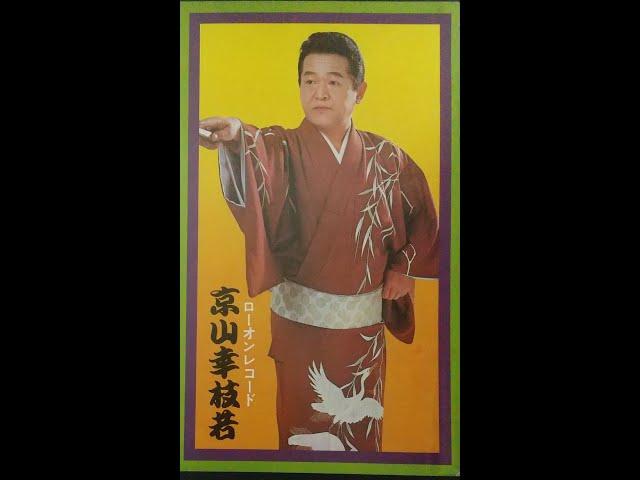
A piece from a rokyoku series that narrates the lives of chivalrous outlaws to the sound of the shamisen.
It is a sentimental tale depicting the encounter and ensuing fate between Kotetsu of Aizu and the Edo gangster Shinmon Tatsugorō, and is famed as the signature number of the first Kiyoyama Sachiwaka, regarded within his school as their house specialty.
Featuring a dramatic development where duty and compassion, male friendship and rivalry intersect, the highlight lies in the performer’s virtuosity in voicing multiple characters with rich tonal color during the narration.
It was released by Teichiku Entertainment in November 1995 and reissued in November 2015 as part of the album “New Masterpieces of Rokyoku: Special Selection Series.” Highly recommended for those who want to savor the essence of yakuza tales and experience the power and pathos of storytelling unique to rokyoku.