

[Ryukyuan Music] Folk and Classical Music of the Ryukyu Islands
When it comes to Ryukyuan folk songs, the simple sanshin accompaniment, the drum rhythms, and the distinctive Ryukyuan vocal style really leave an impression! With just a little listening, you can tell it’s traditional Okinawan music—its presence is deeply tied to a culture that has developed in its own unique way.
I’d like to introduce Ryukyuan folk music, which you could say is filled with the roots of Okinawa! I’ll cover a wide range—from songs often called Okinawan pop that incorporate elements of traditional folk music, to the classical repertoire known as Ryukyuan classical music that was performed in the Ryukyu Kingdom.
These are timeless masterpieces that sing of the Ryukyuan spirit passed down for hundreds of years.
Playlist
| [Ryukyuan Music] Folk and Classical Music of the Ryukyu Islands | |||
|---|---|---|---|
| show_chart | Title | Playlist | Review |
| 1 | Daughter JintoyoWagōku Yoriko |  play_arrow play_arrow | Kazuko Ganeko released a hit song in 1978 |
| 2 | Nankuru Songrinken bando |  play_arrow play_arrow | Rinken Band’s Okinawan music fusion activities |
| 3 | Akata Shuriden |  play_arrow play_arrow | Sung in the Okinawan children's song, “Miruku Uganju” (Welcoming Maitreya) |
| 4 | Hello UncleKina Shōkichi & Chanpurūzu |  play_arrow play_arrow | Shokichi Kina’s debut song, A Wish for Peace |
| 5 | Kagiya-de Fūbushi |  play_arrow play_arrow | A classic celebratory piece of Ryukyuan classical music |
| 6 | Onna-bushi |  play_arrow play_arrow | The origin lies in a poem by a female poet of the Ryukyu Kingdom criticizing a decree that banned entering and leaving the village. |
| 7 | Naka Fu-bushi |  play_arrow play_arrow | The chūka of Ryukyuan folk songs is a hybrid of waka and ryūka. |
| 8 | Tōfun Doi |  play_arrow play_arrow | A fast-picking piece of Ryukyuan folk music for Kachāshī |
| 9 | Sanzan-bushi |  play_arrow play_arrow | Expressing mother-child separation in a Ryukyuan classical lament |
| 10 | Akata Fu-bushi |  play_arrow play_arrow | Singing of feelings for a wife who hides her marriage and serves the king |
| 11 | Akamabushi |  play_arrow play_arrow | A Story of Trust Between an Official and a Horse |
| 12 | ShimochidoriYamazato Yuki |  play_arrow play_arrow | A song lamenting impermanence, based on the beach plover (hamachidori). |
| 13 | Tancha-mae Bushi |  play_arrow play_arrow | Fish Sellers’ Dance of the Ryukyuan King’s Welcome Music |
| 14 | Milk Munari | 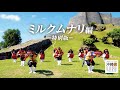 play_arrow play_arrow | A powerful representative song of Okinawan Eisa |
| 15 | Acchamee Elementary / TakoyamaKina Masanaga |  play_arrow play_arrow | An advanced piece where different melodies overlap with rapid sanshin playing |
| 16 | The sea’s chimbolaKadekaru Rinshō |  play_arrow play_arrow | Ie Island folk song, sung at a festivity with a faster tempo |
| 17 | Playmate-like vibeYamazato Yuki |  play_arrow play_arrow | A playful, modern-style arrangement of an Okinawan classic |
| 18 | Annual Events KudokiTeruya Rinsuke |  play_arrow play_arrow | Okinawan music that is the original prototype of Uchinā pop |
| 19 | Hiyamikachi-bushiNoborikawa Seijin |  play_arrow play_arrow | Hiyamikachi Okinawa: A postwar encouragement song |
| 20 | Beautiful MoonChimei Sadao |  play_arrow play_arrow | A famous song of Okinawan Kurage from Yaeyama folk music |
| 21 | Tinsagu FlowersNatsukawa Rimi |  play_arrow play_arrow | Rimi Natsukawa covers the Okinawan lesson song |
| 22 | Recollection Section |  play_arrow play_arrow | A song that depicts the loneliness of parting with a lover |
| 23 | Ichubi measures |  play_arrow play_arrow | An Okinawan folk song about going to pick strawberries while thinking of the man she loves. |
| 24 | Katami-bushi |  play_arrow play_arrow | A celebratory song from Okinawan traditional folk music, sung at weddings and the like. |
| 25 | Surti East-sai |  play_arrow play_arrow | An Okinawan folk song that portrays a yearning toward the east |
| 26 | Tenyo-bushi |  play_arrow play_arrow | The Okinawan folk song Tenyo-bushi is a staple song for Eisa during Obon. |
| 27 | Nakazun Nagare |  play_arrow play_arrow | Characteristics of Eisa’s signature song, Nakajun Nagari |
| 28 | AmakawaYonaha Tetsu |  play_arrow play_arrow | Tohru Yonaha is an Okinawan sanshin player. |
| 29 | Thank youMaekawa Morikata |  play_arrow play_arrow | Okinawan folk singer Morikata Maekawa makes his debut |
| 30 | Tinsagu FlowersKojya Misako |  play_arrow play_arrow | Tinsagu, an Okinawan folk song, teaches parental guidance |
| 31 | Child GodKojya Misako |  play_arrow play_arrow | A representative song by Misako Koja, an Okinawan lullaby |
| 32 | Flower: Flowers for everyone’s heartNatsukawa Rimi |  play_arrow play_arrow | One of Shoukichi Kina’s signature songs, covered by artists around the world. |
| 33 | Yokatsu Coastal CruiseMuroi Tsunejirō |  play_arrow play_arrow | A tourist guide song that sings of the beauty of the Yokatsu Peninsula |
| 34 | New Family MinorTaira Rinko |  play_arrow play_arrow | Rinko Taira’s Okinawan New Folk Songs |
| 35 | Nostalgic Hometown: Uta Sanshin by Mutsumi ArakakiFukuhara Choki |  play_arrow play_arrow | A classic Ryukyuan folk song longing for one’s hometown |
| 36 | Takeda LullabyIshikawa Yoko |  play_arrow play_arrow | A folk song that originated in Kyoto is being sung throughout the country. |