

Easy Riddles for Elementary School Students


Riddles you can enjoy with friends and family in little pockets of time.
Just knowing a few questions lets you play on the bus during a field trip, in between stops on a family vacation, or to kill time with friends!
In this article, we’ll introduce riddles perfect for passing the time, geared toward elementary school students.
We’ve gathered a variety—from easy ones to slightly tricky ones, and even ones that help you learn kanji or English just by solving them.
Even though they’re meant for elementary schoolers, if you try them on Mom or Dad, they might surprisingly not know the answers…?
Give them a try whenever you have a moment, and have some lighthearted fun with friends and family!
- [Easy] Quizzes That Elementary School Students Can Solve! A Collection to Nurture Wisdom
- Interesting riddles: a collection of simple and fun questions
- Fun quizzes for elementary school kids: a collection of questions everyone can enjoy together
- Quiz for elementary school students: Easy! Fun! Question collection
- [Advanced Level] Difficult Riddles for Elementary School Students
- [For Elementary School Students] Cipher Quiz: Fun Puzzle Riddles
- Recommended riddles for elementary school students. A collection of kid-friendly riddles.
- Fun riddles that kids will love
- [Satisfying When Solved] Challenging Quizzes Recommended for Elementary School Students!
- [For Elementary School Students] Recommended Riddle Collection
- Math quiz for elementary school students
- Funny quizzes and riddles that get everyone excited in high school
- A fun quiz you can use to kill time by yourself or with everyone
[Easy] Riddles for Elementary School Students (21–30)
Riddles even a monkey could understand

A collection of riddles so easy that even a “monkey” could understand them.
As the name suggests, these are ultra-simple problems.
If you can’t solve these, it might be a bit embarrassing—these are that easy.
They may be highly recommended as introductory riddles for beginners who are new to riddles and don’t quite understand them yet.
Rhinoceros Riddles

This is a collection of riddles themed around the word “sai.” If you love animals, you might think the answers are obvious—but since these aren’t actual animal quizzes, some questions may be trickier than expected.
Use the hint that each answer ends with “sai” and try to get a perfect score!
[Easy] Riddles for Elementary School Students (31–40)
School Riddles

This is a collection of riddles “about school.” The answers are based on various situations that occur in the daily lives of elementary school students, so everyone can enjoy taking on the challenge together.
On the flip side, if you’re someone who’s good at riddles, you might overthink it and miss the correct answer!
What bug is in the center of the world?
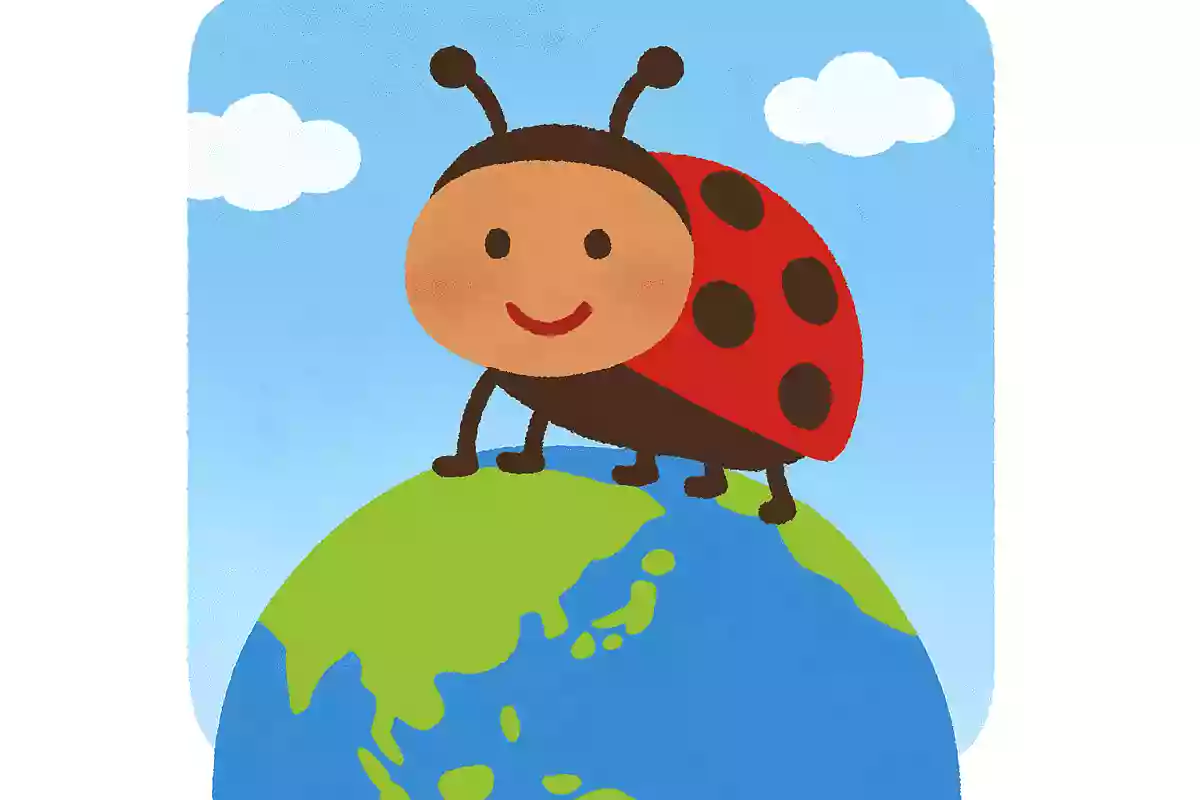
What insect is in the middle of the world? You might be tempted to wonder, “Where is the center of the world?” but this is a riddle you can solve with a flash of insight—no geography knowledge needed.
The key point is that “sekai” (world) is intentionally written in hiragana as せかい.
It could have been written in kanji, which makes this suspicious.
By the way, the correct answer is “a mosquito” (ka).
It’s that blood-sucking pest we all hate in summer.
Why? Because the middle letter of せかい (se-kai) is か (ka)!

Even though it was taken, everyone’s laughing. I wonder why.

I ended up fighting after my friend and I both tried to take it… It’s something every elementary schooler has probably experienced at least once.
Having something taken from you feels awful and makes you sad, right? So let’s try this puzzle.
Why is everyone smiling even though something was ‘taken’? The first thing to think about when solving this is the meaning of the word ‘taken’ (torareta).
It’s deliberately written in hiragana, so try converting it to kanji and imagining what situation it might describe.
The answer is: because it was a photograph.
What kind of bird plays by getting tangled in string?
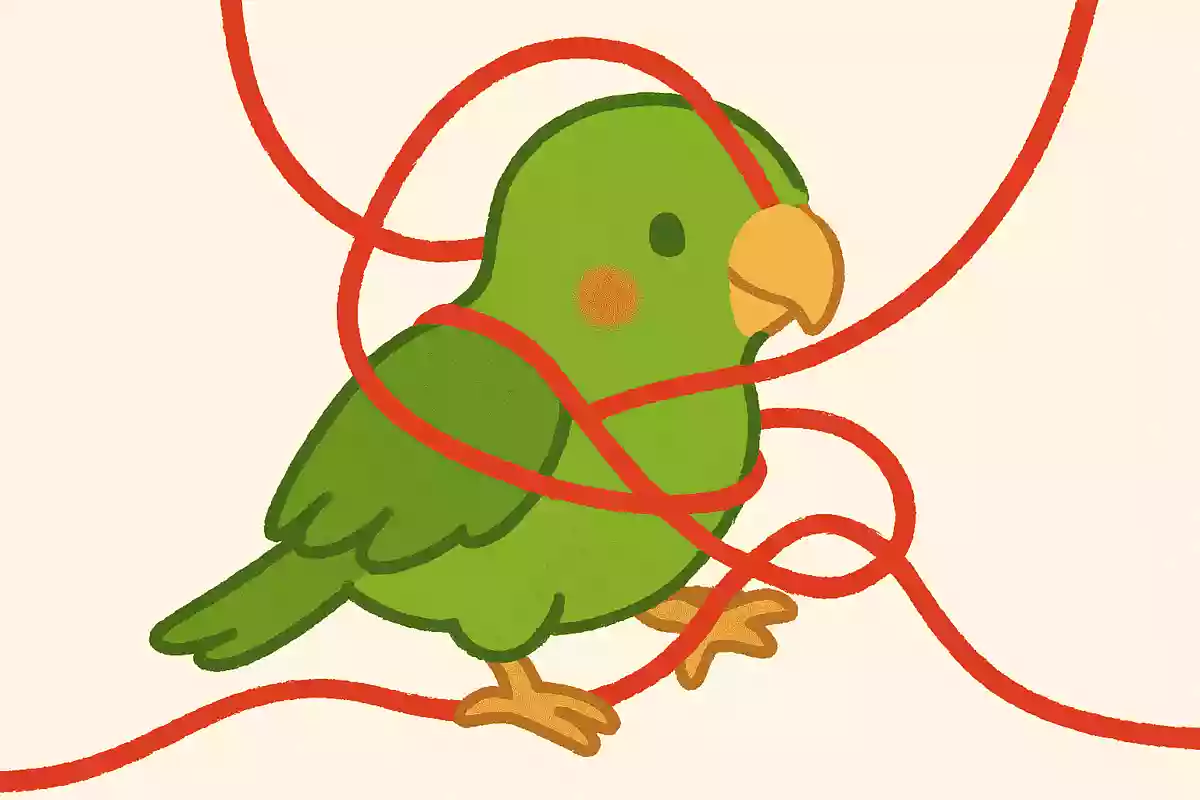
If a bird gets tangled in a string, you’d think it wouldn’t be able to spread its wings and fly, right? That would be true for an ordinary bird.
But there’s a bird that can still “fly” even when it’s tangled in string.
It’s not a bird soaring in the sky, but one that changes into various shapes in your hands.
To find the answer, try thinking of words that include “tori” (bird).
What words come to mind? Here’s a hint: it’s a game played with string.
Have you figured it out? The answer is ayatori (cat’s cradle).
No matter how many times you call it, it never answers—what is it?
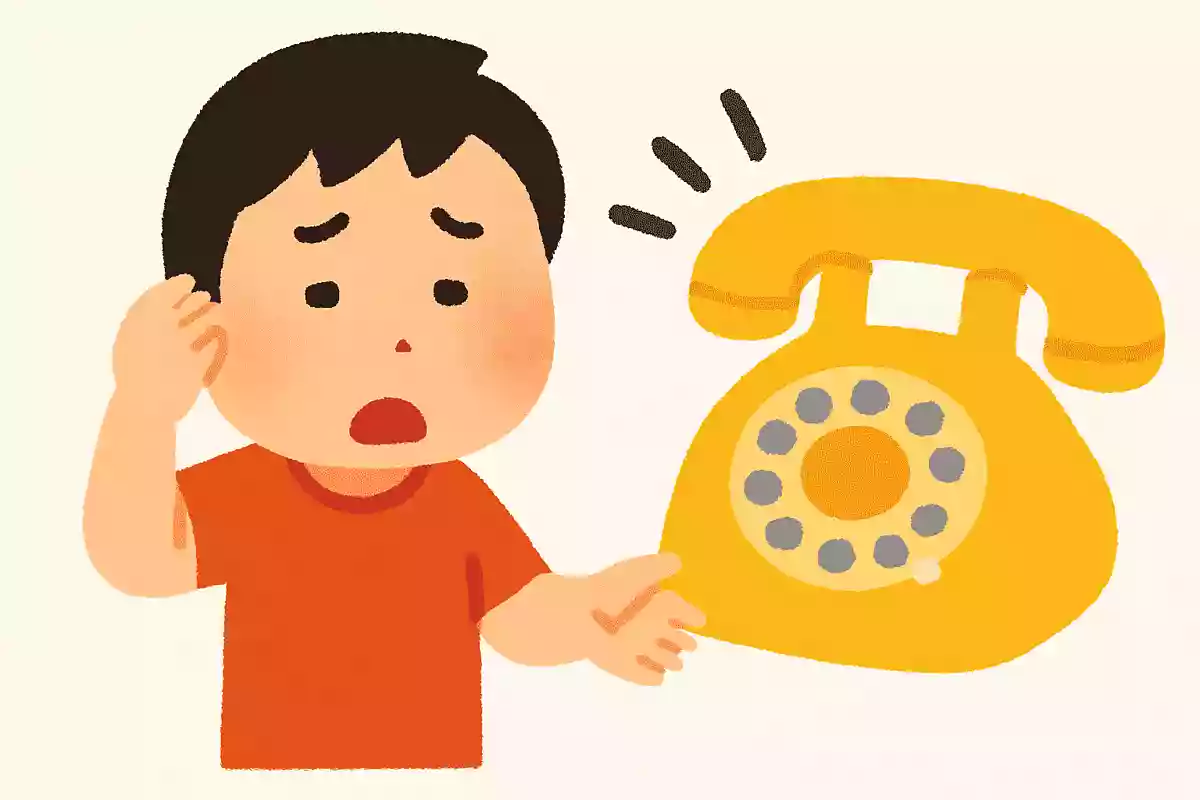
If you call your dad or mom, your teacher or your friends, they all answer you, right? But in this world, there are things that won’t respond no matter how much you call them… What are they? The answer is something you all know well.
The key to solving this riddle is to focus on the hiragana word yondemo.
First, try converting it to kanji.
If you try different options like 呼んでも (even if you call) and 読んでも (even if you read), you’ll arrive at the answer.
By the way, the correct answer is “a book.”