

Local trivia of Ibaraki Prefecture for elementary school students! A fun, educational quiz book

When you hear “Ibaraki,” what comes to mind? In fact, many people aren’t sure whether the correct pronunciation is “Ibaraki” or “Ibaragi.” Ibaraki is also home to lots of surprising records, like a giant Buddha statue that boasts the tallest height in the world and the longest slide in Japan.
In this article, you can have fun learning about Ibaraki’s charms and fun facts through a local quiz made for elementary school kids.
From how to read place names to stories from history, give it a try with your friends or as a parent-child activity!
- How much do you know? A local quiz collection about Iwate Prefecture for elementary school students
- [For Elementary School Students] Fukushima Prefecture Local Quiz! A Fun Workbook for Parents and Kids
- Learn while playing! Fun local quizzes about Gunma Prefecture for elementary school students
- Saitama Prefecture Local Quiz for Elementary Schoolers! Try tackling questions that are tough even for local kids.
- A Tochigi Prefecture local quiz for elementary school kids! A fun problem set that lets you learn while you play.
- [For Elementary Students] Chiba Prefecture Local Quiz! A Fun Set of Topics to Learn About Food and Specialties
- A quiz for elementary school students about Japan’s number ones. Guess the “most ___” things in Japan!
- [For Elementary School Students] A Roundup of Local Quizzes About Tokyo
- [For Elementary School Students] Niigata Prefecture Local Quiz Collection
- [For Elementary School Students] Fun and Effective Prefecture Quiz
- [For Elementary School Students] Nagano Prefecture Local Quiz! Three-Choice Questions to Enjoy Learning About History and Nature
- [For Elementary School Students] Collection of Local Quizzes from Gifu Prefecture
- [For Elementary School Students] Collection of Local Quizzes from Osaka Prefecture
Local Quiz of Ibaraki Prefecture for Elementary School Students! A Fun and Educational Question Set (1–10)
There is an address in Ibaraki Prefecture called “赤法花.” How is it pronounced?
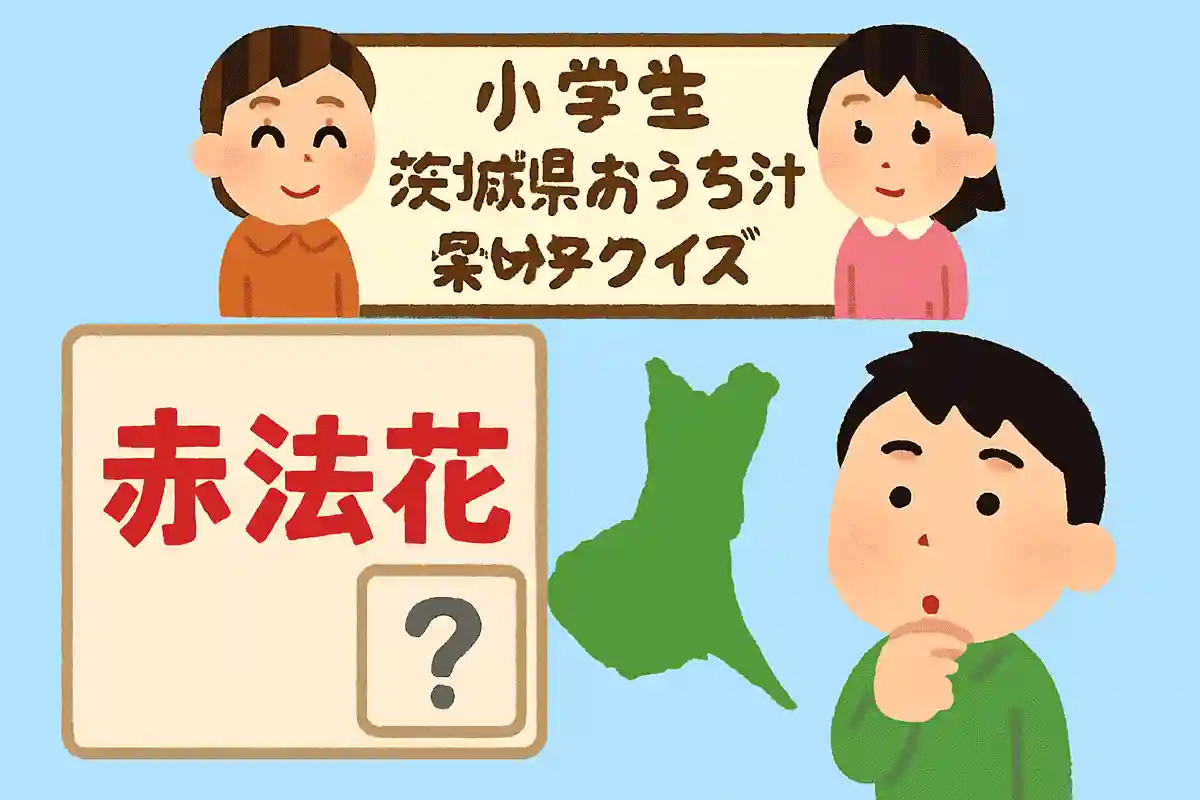
- Akahouka
- red Atka mackerel
- Akabokke
See the answer
Akabokke
In the eastern part of Moriya City, Ibaraki Prefecture, there is a place called Akabokke. Long ago, there was a legend that Taira no Masakado built a castle in this area. It’s said that when he looked out from the castle, the red cliffs beyond the marsh resembled China’s “Red Cliff,” so he named the place Akahōke. Even today, if you stray a little off the main road, you can still find plenty of untouched nature, such as forests.

At Aqua World Ibaraki Prefectural Oarai Aquarium in Oarai, Ibaraki Prefecture, which organism has the largest number of species kept in Japan?
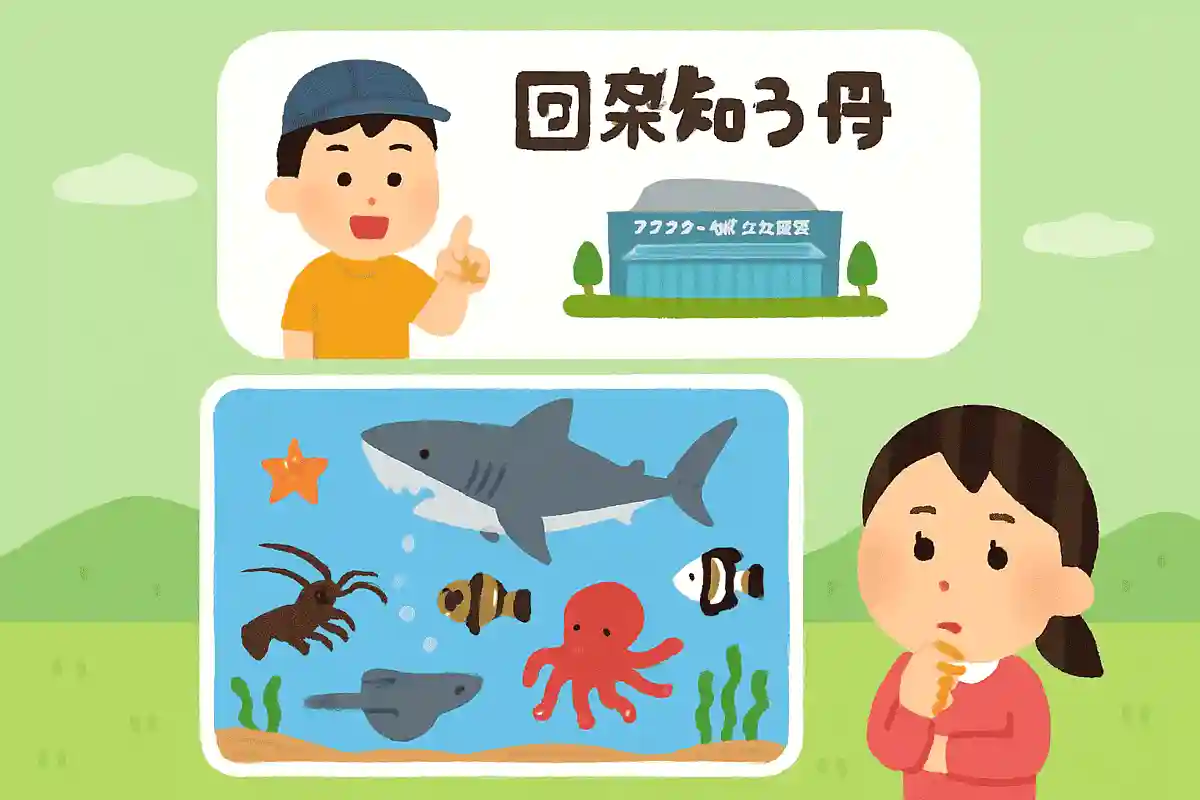
- ocean sunfish
- dolphin
- shark
See the answer
shark
At Aqua World Oarai Aquarium, about 60 species of sharks are kept, making it one of the largest collections in Japan. There are also more than 15 shark species that can be seen only at this aquarium. In 2021, it became the first in Japan—and the fifth aquarium in the world—to successfully breed a baby sand tiger shark (shiro wani). It’s a wonderful place for shark enthusiasts. The large ocean sunfish (mola) tank is also famous.
Mount Tsukuba in Ibaraki Prefecture is the only one of Japan’s 100 Famous Mountains located on the Kanto Plain, and it is also the number one among the Famous Mountains. In what way is it number one?

- lowness
- height
- area
Mt. Tsukuba stands at an elevation of 877 meters, making it the lowest among Japan’s 100 Famous Mountains. Even so, it offers ten well-maintained hiking trails, so beginners and children can climb it. The view from the summit is very beautiful, and its nightscape has been recognized as part of the Japan Nightscape Heritage. Despite its low height, it’s a mountain full of fun and highlights.
Local Ibaraki Prefecture Quiz for Elementary Schoolers! A Fun and Educational Question Set (11–20)
What is “shimotsukare”?
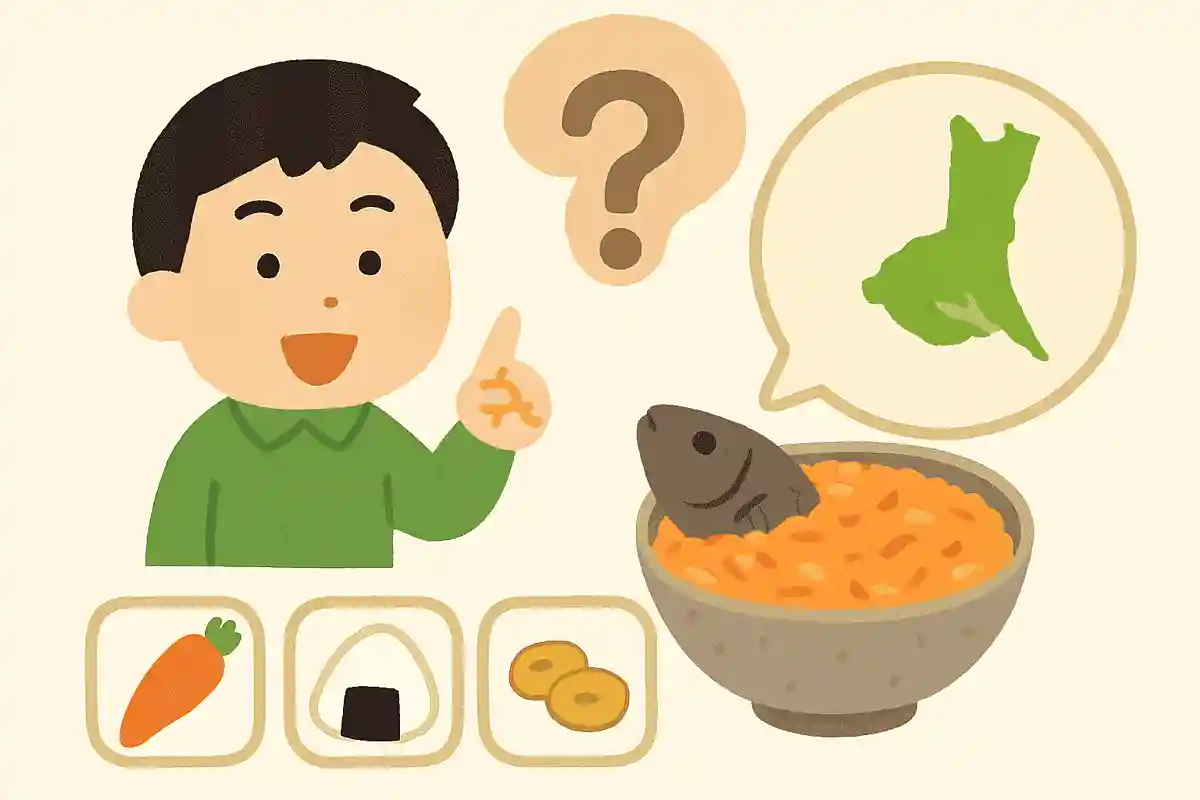
- local cuisine
- Dialects for “I’m very tired”
- Soaking in a hot spring to relieve fatigue
See the answer
local cuisine
Shimotsukare is a local dish made in the northern Kanto region—such as Ibaraki, Tochigi, and Gunma—and is sometimes prepared on the first Horse Day of February. It is a simmered dish of ingredients like salmon, grated daikon radish, soybeans, and sake lees, with slight variations in preparation depending on the area. In 2017, it became so popular that Calbee released limited-edition “Shimotsukare” potato chips.
At Hitachi Seaside Park, which flower is known for turning the entire hill blue in spring?

- kochia
- Nemophila
- Tulip
See the answer
Nemophila
In Ibaraki Prefecture’s Hitachi Seaside Park, there is a place called Miharashi no Oka. In spring, the hill is covered with blue nemophila flowers, and it’s known for being very beautiful. The scenery, where the blue flowers blend with the sky and the sea, is so stunning that it’s often called a breathtaking view. It’s a popular spot in Ibaraki that many people visit to take photos.
What fruit is Ibaraki Prefecture the top producer of in Japan?
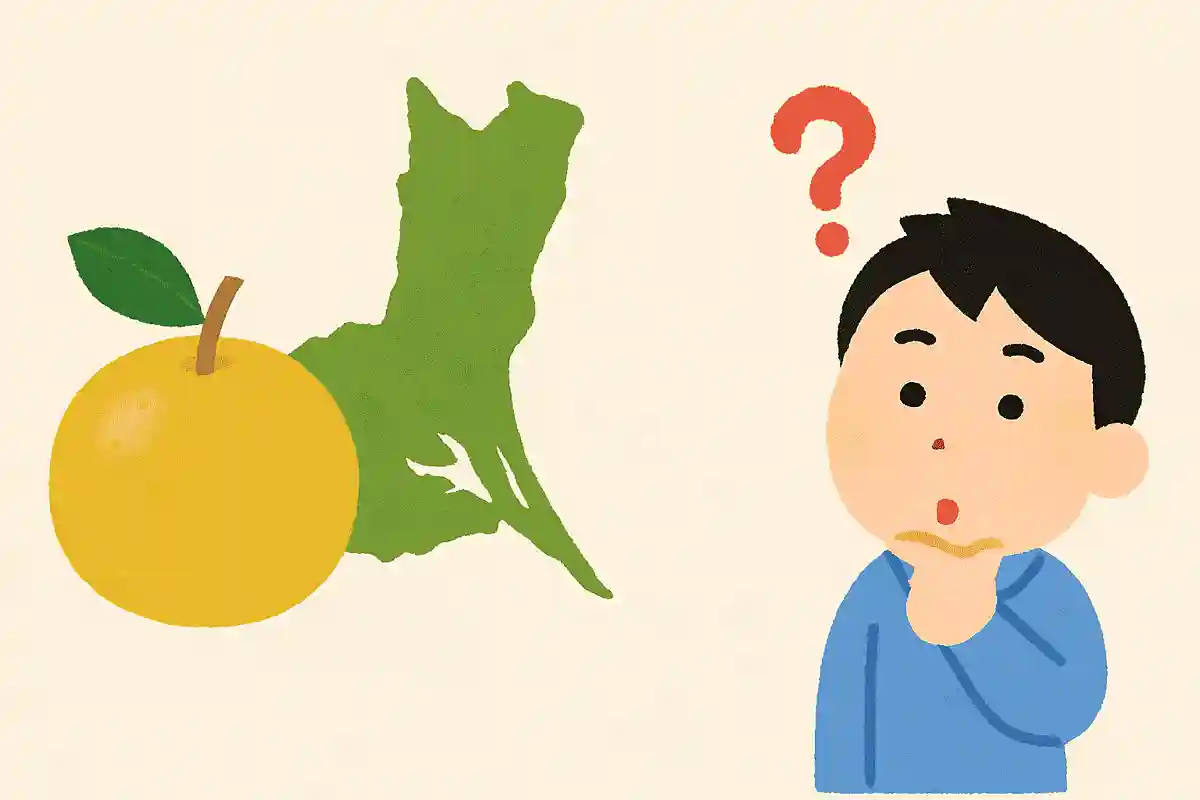
- melon
- mandarin orange
- Apple
See the answer
melon
Ibaraki Prefecture produces the most melons in Japan, accounting for about 27% of all melons grown domestically. The melon called “Ibaraking” was developed with the hope that it would become the king of Ibaraki’s melons. Many other sweet and delicious melons are also grown there, making Ibaraki Prefecture very famous as a melon-producing region.
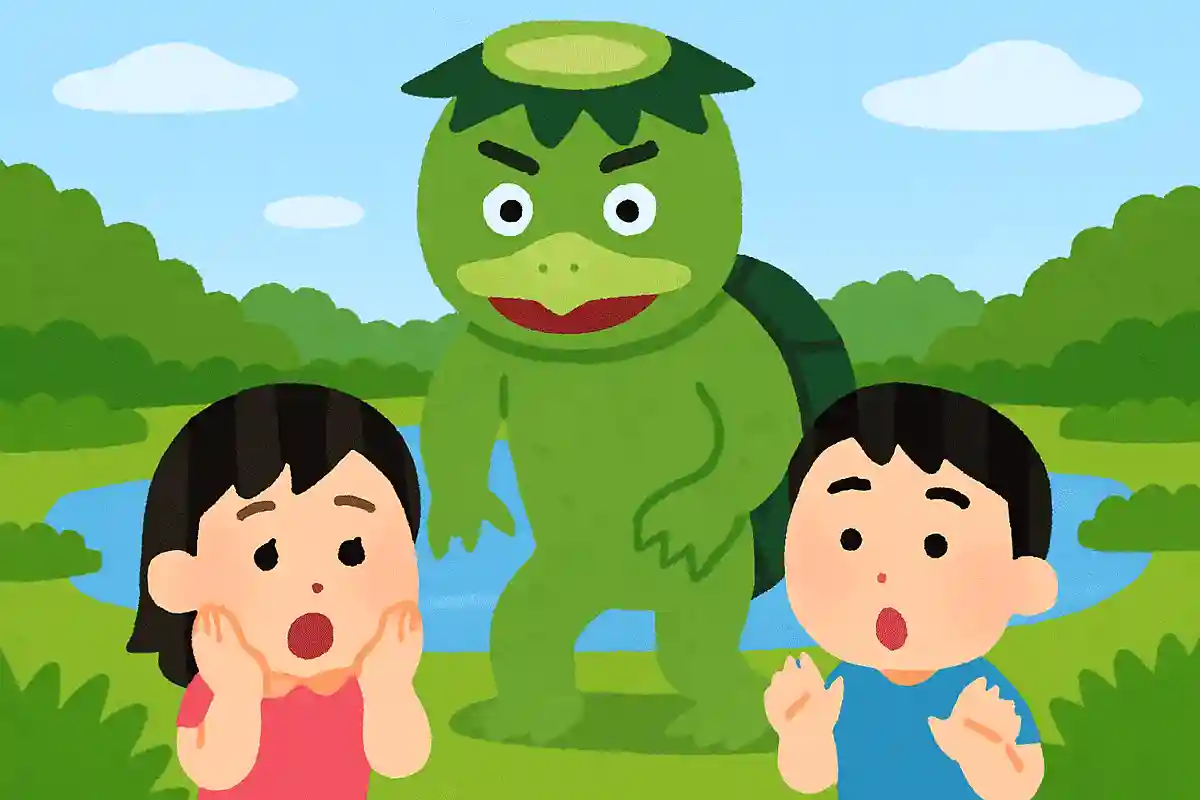
What is the yokai that remains in the legends of Ushiku in Ibaraki Prefecture?
- Tengu
- kappa
- oni; demon; ogre; spirit (depending on context)
See the answer
kappa
There are several kappa legends associated with Lake Ushikunuma in Ibaraki Prefecture. The most famous is the tale of the “Kappa Pine.” Long ago, kappa were troubling the villagers by ravaging fields and drowning children. Hikōemon, the village’s best swimmer, captured a kappa and tied it to a pine tree. The kappa repented, stopped its mischief, and began helping the villagers.