

Elementary School Fun Day a Big Hit! Indoor Game Idea Collection


Here are some active indoor games that will get elementary school students excited at their fun party! Even on rainy days or in cold seasons, if you have games you can really enjoy in the classroom, everyone can have a great time together.
From relay-style games that build teamwork, to brain-teasers that get minds working, to physical activities that get everyone moving, we’ve gathered games the whole class can dive into while cooperating.
Preparation is simple, and they all use familiar materials, so there are plenty you can start right away—give them a try and have fun!
- Recommended for upper elementary grades! Exciting indoor recreation and games
- Fun Indoor Games for Elementary School Kids Without Any Equipment
- [Elementary School] Quick and Easy! Indoor Recreational Activities Perfect for Lower Grades
- [Elementary School Rec] Recommended Games and Performances for a Fun Party
- [Children’s Club] Easy and fun indoor games. Exciting party games
- [Elementary School] Indoor Games and Recreational Activities Recommended for Upper Primary Grades
- [For Kids] Indoor Fun! Large-Group Recreational Activities and Games
- A collection of simple indoor recreational games
- Get the Fun Going! Easy Classroom Games You Can Play at School: Recreational Activities for the Whole Class
- A big hit at after-school childcare! A special feature on group games and activities you can play without any equipment
- Recreation Activities That Excite Kids’ Clubs! Plans and Ideas Children Will Love
- [For Kids] Have Fun at After-School Day Service! A Special Feature on Indoor Game Ideas
- No worries even in the rain! Fun recreational activities you can do in the gym
Indoor games that get you moving (21–30)
River Crossing Tail Tag
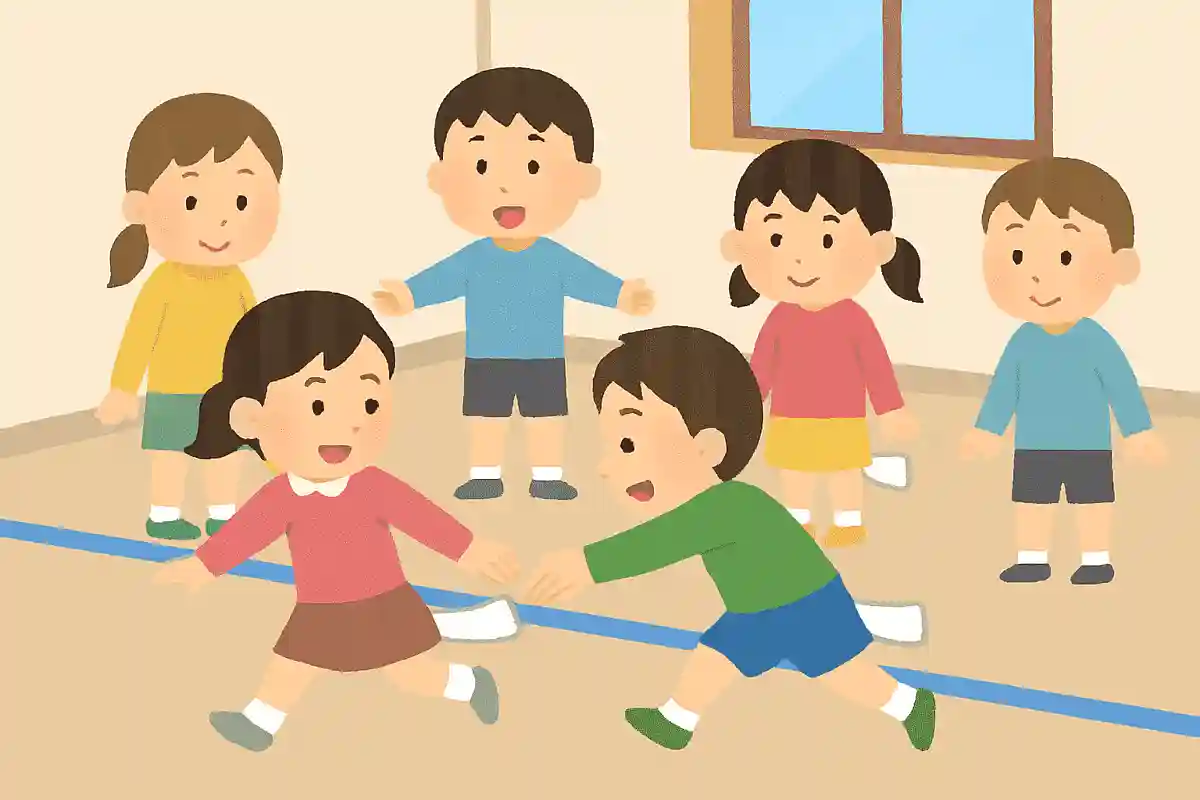
Let me introduce a tail-tag river-crossing game that gets your heart racing when you cross the river.
Create a “river” using mats or tape.
The tagger waits on the bank.
The runners attach a tail to their backside and dash across the river with as much momentum as they can.
The tagger’s chance to grab a tail is when the runners are crossing the river! You’ll need explosive speed and clever evasive moves.
If you make it cleanly across the river, you succeed.
The tagger then waits for the next person to come and cross.
Setting a time limit can make the game even more exciting.

Go! Go! Gold Medal

Let’s enjoy a parent-and-child exercise together! Here are some GO! GO! Gold Medal ideas.
This activity is a fun workout where you move your body to music using small hoop-like items.
You can make the rings from everyday materials, like cutting them out of newspaper or paper plates.
Since it’s themed around gold medals, finishing them with gold holographic tape would be great.
Facing each other and making eye contact, as well as physical touch, can deepen your bond even more.
Rhythm play with words
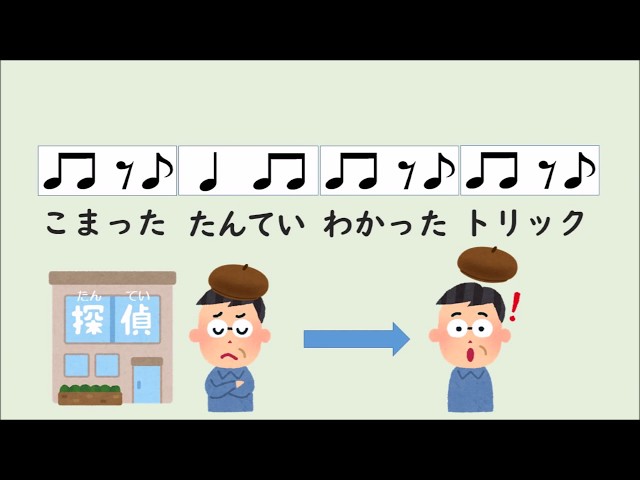
Word Rhythm Play is a game you can enjoy while moving your body, building vocabulary and a sense of rhythm, and training skills like quick thinking and problem-solving.
Listen to the beat and match your words to it.
Any words are fine, but the key is to stay on rhythm.
Start with an easy beat and gradually increase the difficulty.
Once you get used to it, adding handclaps while playing can make it even more exciting.
Fun in a group! Daikon-pulling game

Divide into two teams: the radishes and the pullers.
The radish team lies face down in a circle and links arms firmly.
When you’re ready, the puller team starts pulling the radishes.
Only pull by the legs—be careful not to pull on clothing.
If a radish doesn’t come out easily, work together, such as having two people pull one radish.
You can decide that pulling out all the radishes within the time limit wins, or let the child who gets pulled out become the next radish.

20 indoor activities you can enjoy even on rainy days

Let me introduce a brain-teasing rule game.
The key point for the kids is to tell them, “Watch carefully.” Then the teacher shows numbers with their fingers, saying, “This is 1, this is 2,” and so on, which naturally makes the children focus on the finger movements.
But here’s the twist! They should also pay close attention to what the teacher says.
The level of excitement changes depending on the themes or rules the teacher sets.
Be sure to have fun playing it together with the kids! It’s also great because you can play it anywhere, like at camp or on a field trip.
Guess the person game
A recommended guessing game for deepening communication is one where participants get lively conversation going and make new discoveries about each other.
The person posing the question should first choose a very well-known person as the subject.
The respondents ask the questioner about what kind of person it might be while imagining the answer, and the questioner should reply only with “yes” or “no.” If it’s too difficult, it’s also helpful to give simple hints, such as the person’s gender or a basic characteristic.
Set a time limit, and try it as individual or team play, adjusting to the ages of the group.
An apartment building where only teachers live
Set in an apartment building inhabited only by teachers, this theme has you deducing who lives in which room.
Using 14 hint cards as clues, players share information to piece together the overall solution, making cooperation essential.
It’s crucial to decide how to share the cards in your hand and how to organize information from others’ statements.
Through conversation, both logical thinking and teamwork are tested, and the whole class gets excited.
As the deduction progresses, there are moments of discovery, and the sense of achievement when you reach the conclusion is exceptional.
It’s a theme that lets you enjoy the fun of cooperation and deduction.
