

[For Elementary School Students] Learn about the SDGs by Answering Quizzes!

The SDGs set out 17 goals that the world should achieve by 2030 through global cooperation.
They are challenges that developed countries as well as developing countries must tackle, and there are 169 targets established.
In this article, we’ve summarized what the SDGs are in a quiz format for elementary school students.
We hope it will serve as an opportunity to learn what the SDGs are and what specific goals they aim to achieve.
Give the quiz a try to discover SDG actions that elementary school students can actually take and the challenges the world is facing.
- [Learn with a Quiz] Quiz Questions about the SDGs
- Become a trivia master with a multiple-choice quiz for elementary schoolers! A fun problem collection that captivates both kids and adults
- Games with an SDGs theme: A roundup of board and card games
- Simple! A quiz for kids. Let’s develop their thinking skills!
- [For Seniors] Let's Enjoy Learning about the SDGs through Quizzes!
- [Easy] Quizzes That Elementary School Students Can Solve! A Collection to Nurture Wisdom
- Geography Quiz: Elementary School Study + Slightly Advantageous Geography Questions
- How Much Do You Know? Food Quiz for Elementary School Students
- [Common Sense & Trivia] True-or-False Quiz with Knowledge for Elementary School Students
- [Childcare] Ideas for learning about the SDGs through play
- Aim for a perfect score! A three-choice common knowledge quiz that deepens your understanding
- Let's take on a four-choice quiz that everyone can enjoy together!
- [Easy] Quiz for Middle School Students
[For Elementary School Students] Learn About the SDGs by Answering Quizzes! (1–10)
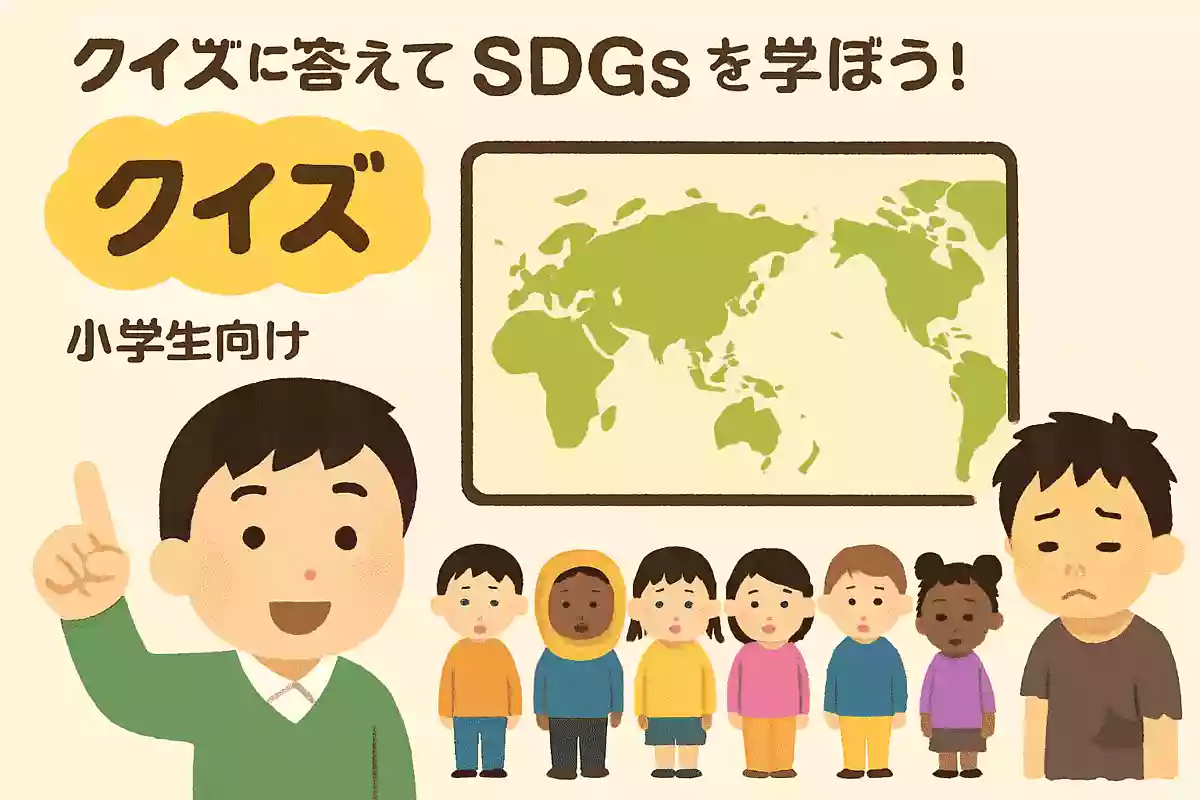
Among people around the world, how many suffer from hunger?
See the answer
One in ten
Around the world, one in ten people faces hunger, and due to severe water shortages and economic hardship, many continue to be unable to obtain sufficient meals. In a global climate marked by wars and disasters, borderless support and cooperation are urgently needed.

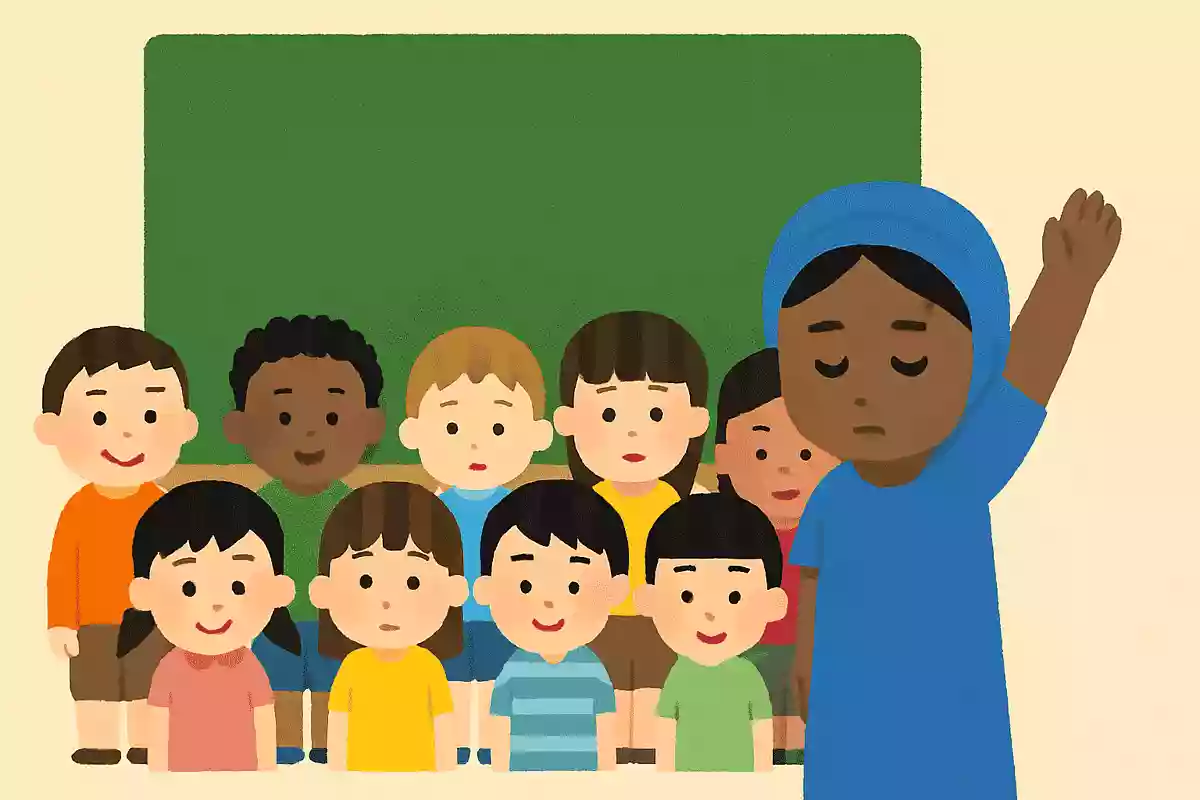
Among the children of the world, where is it that one in ten cannot attend?
See the answer
elementary school
Around the world, 1 in 10 children still cannot attend elementary school. This is due to factors such as home environments, economic reasons, and unequal access to educational opportunities. Some children are engaged in child labor, and conditions in their countries and regions are likely contributing factors.
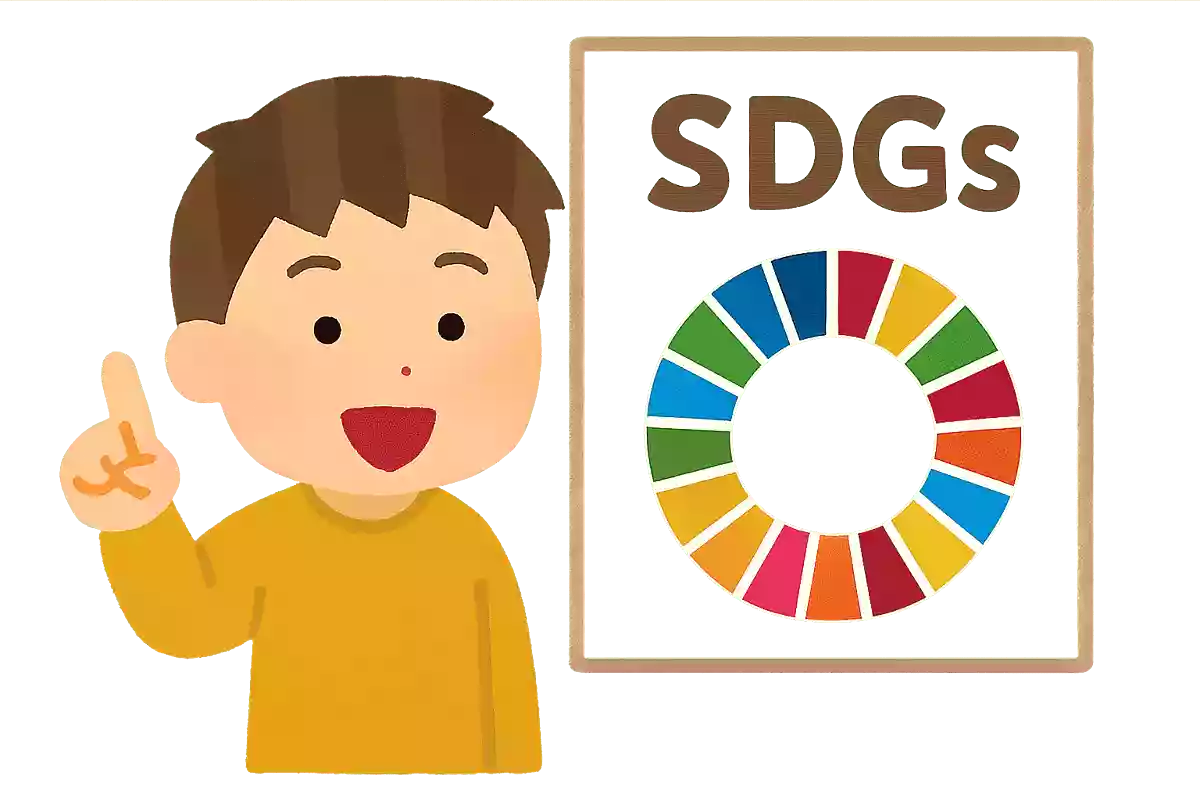
How many goals are there in the SDGs?
See the answer
17
The SDGs consist of 17 goals that categorize issues spanning areas such as human rights, the economy, and the global environment. They encompass a wide range of themes, including eliminating poverty worldwide, advancing welfare and education, realizing a gender-equal society, addressing environmental issues, and promoting economic development across the globe.
[For Elementary School Students] Learn about the SDGs by Answering Quizzes! (11–20)
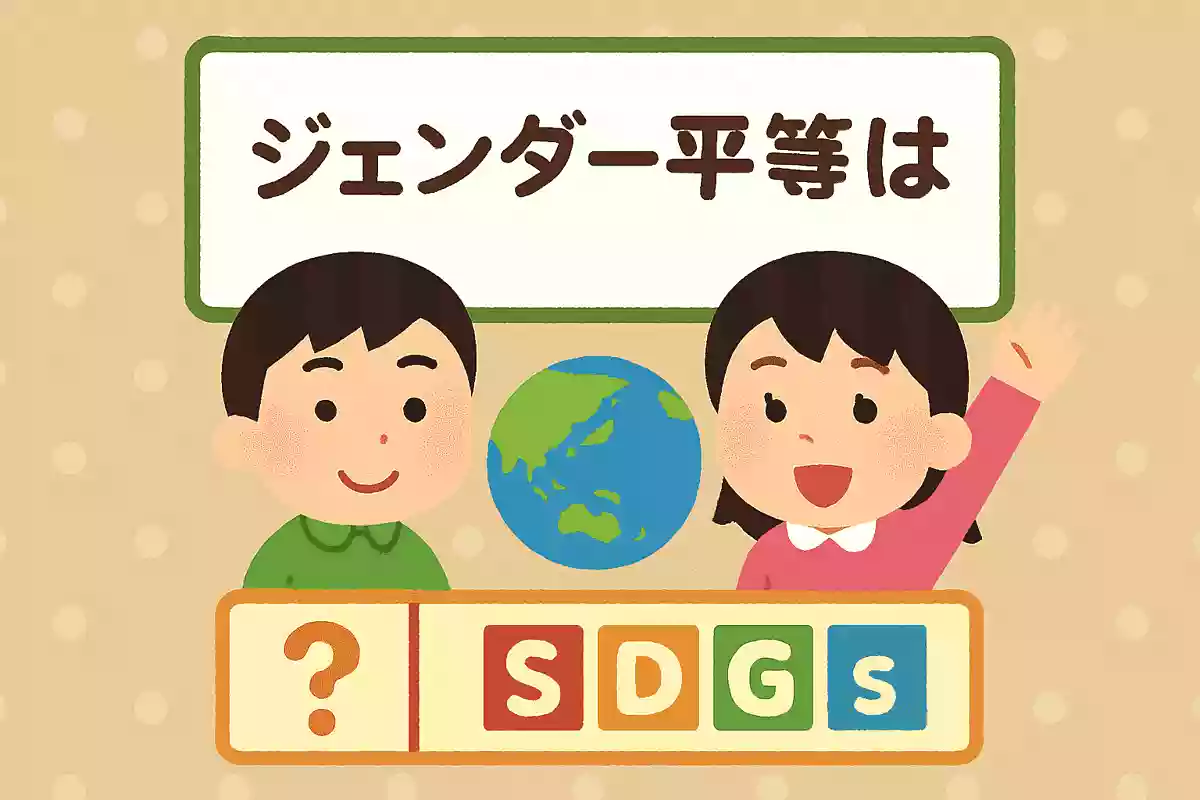
What does gender equality mean?
See the answer
Eliminating discrimination based on gender
Gender equality refers to aiming for a society in which every individual, regardless of being male or female, equally holds responsibilities and rights. It calls for eliminating discrimination and prejudice based on sex and means granting everyone the right to participate in and decide on all matters.
What year did the United Nations set for achieving the SDGs?
See the answer
the year 2030
We aim to achieve all of the SDGs set by the United Nations by 2030. These are international goals consisting of 17 Goals and 169 Targets, established with a pledge to “leave no one behind” on our planet. They are being pursued as universal challenges that require efforts not only from developing countries but also from developed countries.
How many people around the world do not have access to the Internet?
See the answer
About 3.7 billion people
There are still many countries where the spread of the internet—indispensable for industrial development—has not progressed. In today’s world, where the digital revolution has rapidly amplified the influence of the IT sector, closing the information gap between developed and developing countries is a key challenge. It is necessary to improve quality of life by introducing new services and enabling access to education and healthcare remotely.
What do you call an invention that was created with the aim of enabling everyone to live prosperously?
See the answer
Innovation
Throughout human history, advances in science and technology have repeatedly driven economic and social development. In the context of the SDGs, innovation through science and technology is also promoting the development of systems aimed at energy conservation. Innovations that combat diseases afflicting people around the world—such as mosquito nets that help eradicate malaria—can likewise be considered forms of innovation.