


How many questions about Tochigi Prefecture can you get right? From the identity of a unique stone statue at Utsunomiya Station to the prefectural capital and the meanings of Tochigi dialect words, there are plenty of questions that seem familiar but are surprisingly tricky! Designed as a local quiz for elementary schoolers, it covers a wide range of topics from geography and history to local specialties.
Some questions will even make adults pause and think, such as the ingredients used in the local dish “Shimotsukare” and the name of the highest mountain in the prefecture.
Take on the challenge with your family or compete with friends to see who can get the most correct answers, and have fun discovering the charms of Tochigi Prefecture!
- Local trivia of Ibaraki Prefecture for elementary school students! A fun, educational quiz book
- [For Elementary School Students] Fukushima Prefecture Local Quiz! A Fun Workbook for Parents and Kids
- [For Elementary School Students] Miyagi Prefecture Local Quiz! A Fun Workbook That Adults Can Enjoy Learning With Too
- [For Elementary School Students] Get Hooked! A Collection of Fun, Yamagata Prefecture Local Quiz Ideas for Learning
- Learn while playing! Fun local quizzes about Gunma Prefecture for elementary school students
- [For Elementary School Students] Nagano Prefecture Local Quiz! Three-Choice Questions to Enjoy Learning About History and Nature
- Yamanashi Prefecture Local Quiz for Elementary Schoolers! A Workbook to Learn While Playing
- How much do you know? A local quiz collection about Iwate Prefecture for elementary school students
- [For Elementary Students] Chiba Prefecture Local Quiz! A Fun Set of Topics to Learn About Food and Specialties
- [For Elementary School Students] Fun and Effective Prefecture Quiz
- How many can you get right? Toyama Prefecture Local Quiz! A Fun Question Book for Elementary School Students
- Saitama Prefecture Local Quiz for Elementary Schoolers! Try tackling questions that are tough even for local kids.
- Akita Prefecture Local Quiz! A fun workbook for elementary school students that adults can enjoy too
Tochigi Prefecture Local Quiz for Elementary School Kids! A Fun Problem Set You Can Learn From While Playing (1–10)
Which plain does Tochigi Prefecture belong to?
- Echigo Plain
- Nōbi Plain
- Kanto Plain
See the answer
Kanto Plain
The Kanto Plain is the largest flat area in Japan, stretching across the one metropolis and six prefectures of the Kanto region, including Tochigi Prefecture. Its size is about the same as Shikoku, accounting for roughly 5% of Japan’s land area. The climate is a warm temperate one, corresponding to the Pacific side climate with slightly more rainfall. With vast rice paddies and fields, its flat terrain makes it easy for people to live, and it is used for daily life and agriculture in places like Tochigi Prefecture.

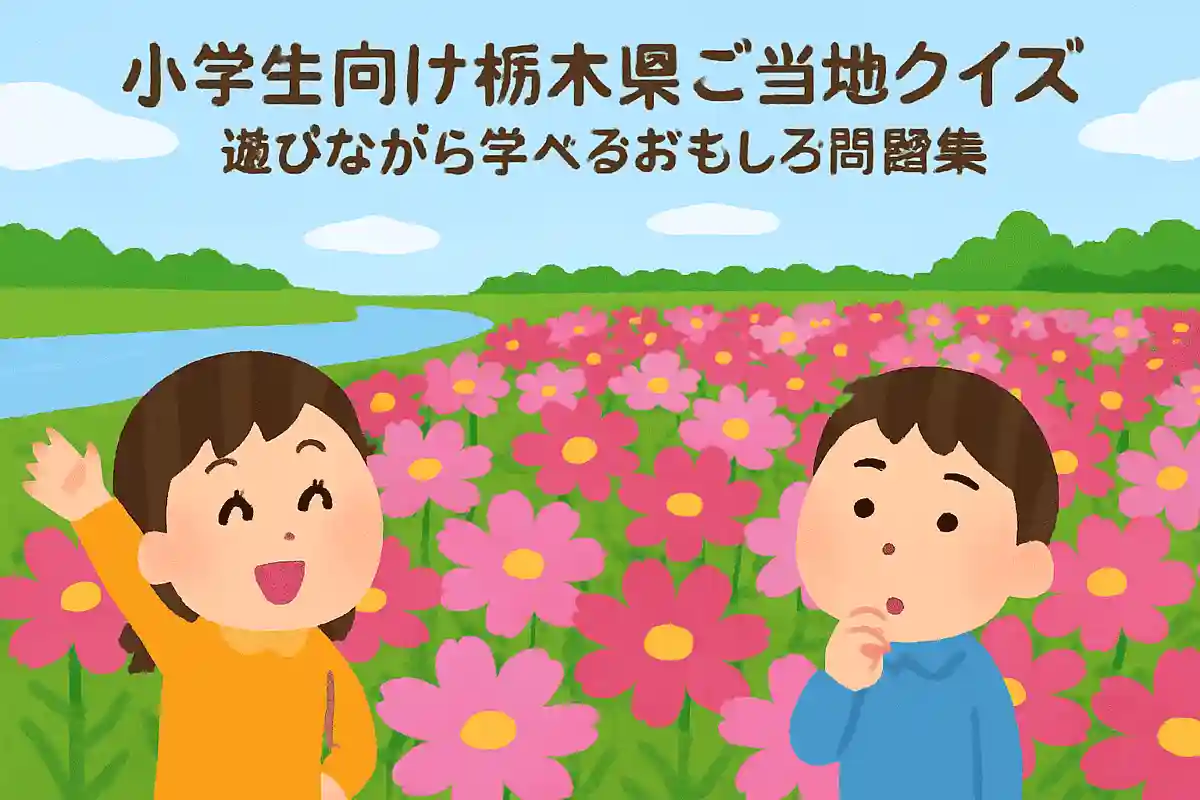
Along the Kinu River in Takanezawa Town, at “Kinu Green Park,” what flower blooms across the entire park in autumn?
- cosmos
- Sunflower
- Tulip
See the answer
cosmos
At Kinu Green Park, there is a large grassy area where you can play and have picnics. There are also water-based athletic activities and a pond where you can ride boats, and in autumn you can enjoy beautiful cosmos flowers. You can rent bicycles, too, so you can ride around the park. It’s a place where everyone, from children to adults, can have fun together.
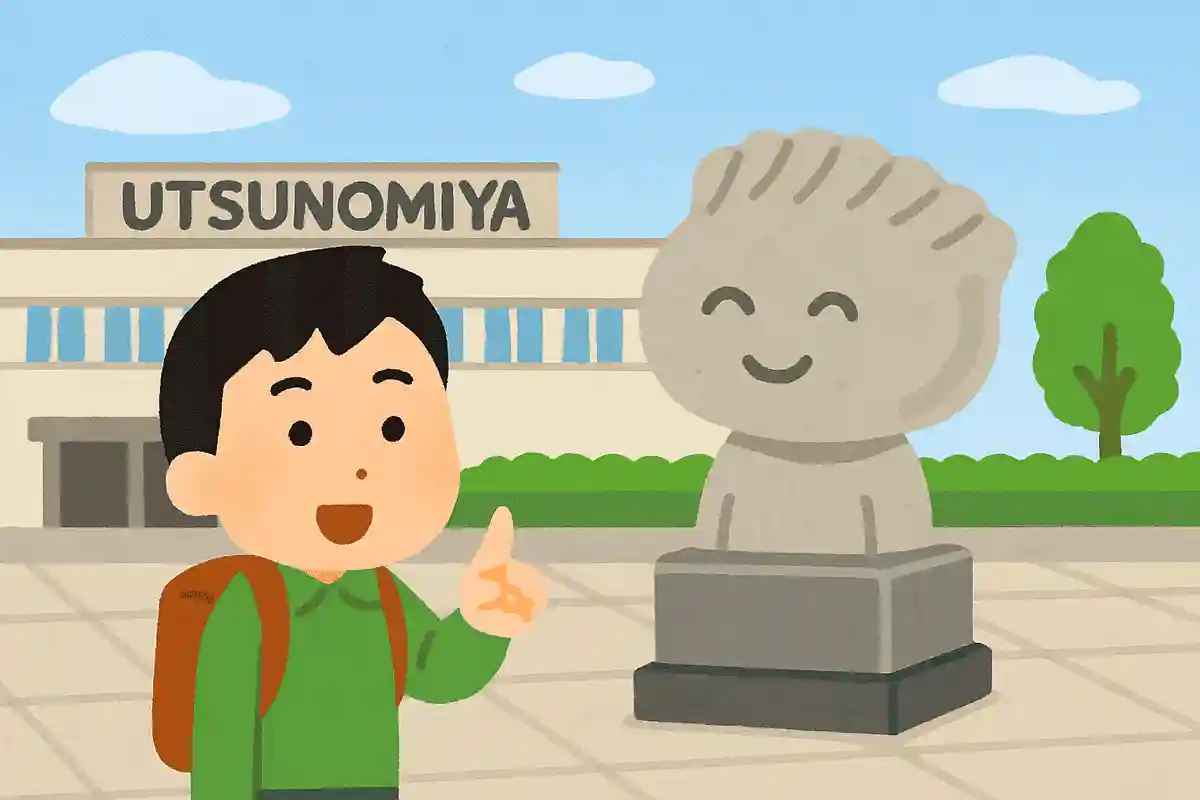
The stone statues installed at the west exit of Utsunomiya Station are modeled after foods popular in Utsunomiya City. What food are they?
- strawberry
- gyoza
- ramen
See the answer
gyoza
On the west side of Utsunomiya Station, there is a stone statue called the Gyoza Statue. Inspired by Utsunomiya’s famous gyoza, it depicts a “Gyoza Venus,” with Venus wrapped in a gyoza skin. It was created in 1994 as part of a TV program project aimed at revitalizing the town. It has become a unique tourist attraction that showcases the popularity of Utsunomiya’s gyoza.
In the Tochigi dialect, the word “kowai” has two meanings: one is “hard/firm,” and what is the other?

- I'm tired.
- sleepy
- I'm hungry.
See the answer
I'm tired.
In the Tochigi dialect, the word “kowai” means “tired,” and it’s often used after doing heavy work. Also, the word “katai” used to be commonly used in the southern part of Tochigi in the past. However, fewer people use it these days. Tochigi has some interesting words that are a little different from those in other regions.
Tochiotome, which Tochigi Prefecture boasts as having the highest production volume in Japan. What fruit is this?
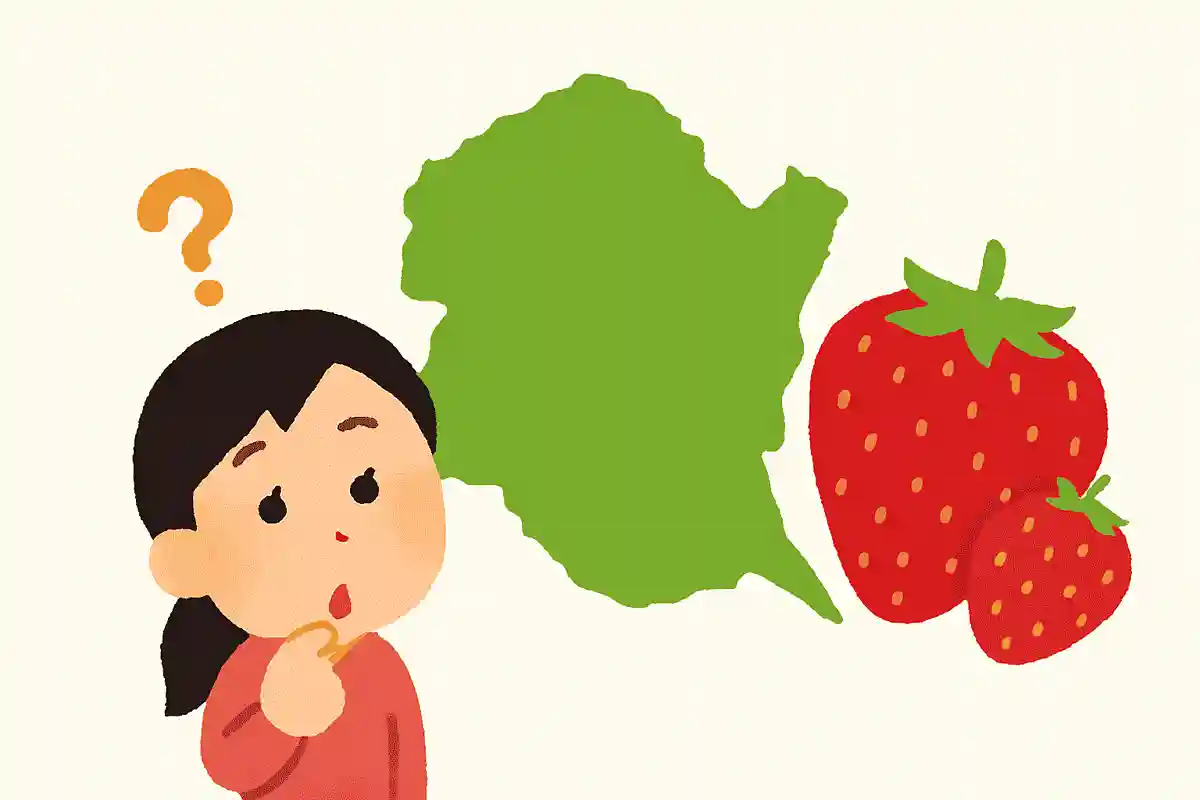
- Apple
- strawberry
- mandarin orange
See the answer
strawberry
Tochigi Prefecture has long had the highest strawberry production in Japan. In recent years, premium strawberries like “Skyberry” and the new variety “Tochiaika” have also been cultivated, and Tochigi’s strawberries are becoming increasingly popular. It’s famous as a prefecture where many sweet and delicious strawberries are grown.
Which of the following is the highest mountain in Tochigi Prefecture?
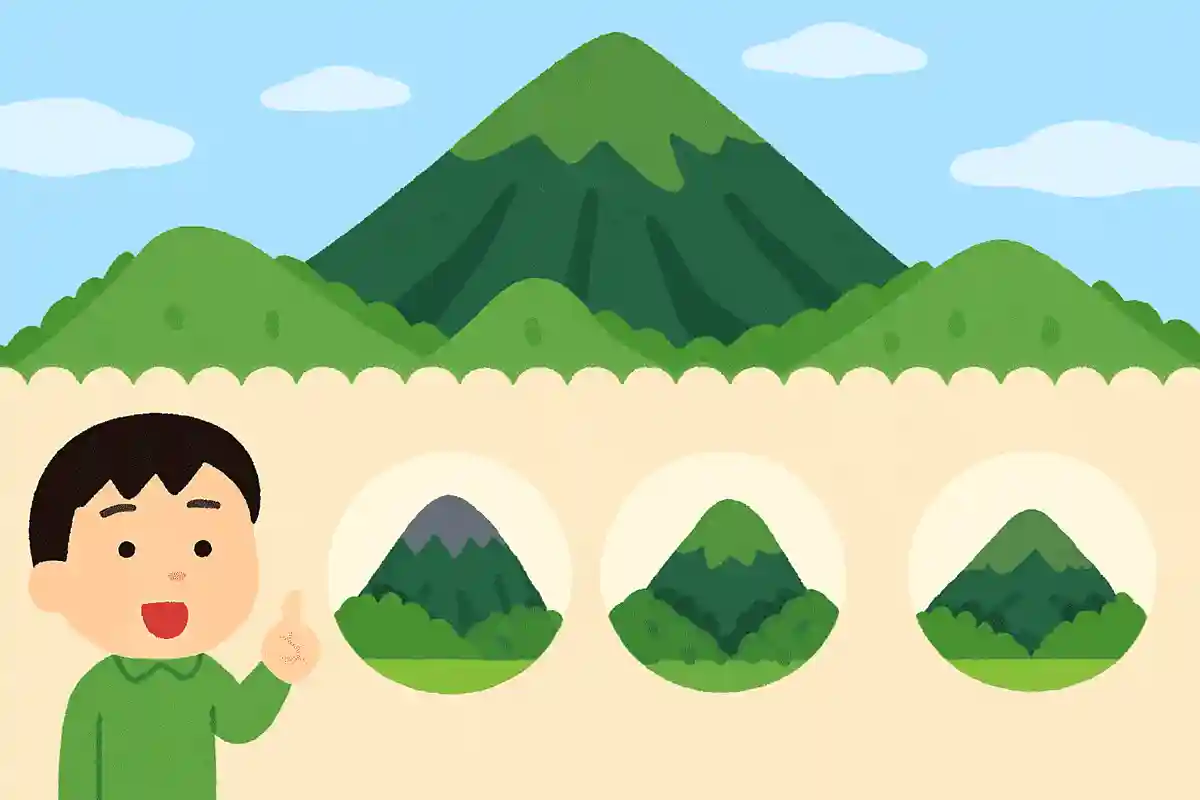
- Mount Nantai
- Mount Nasu
- Mount Shirane
See the answer
Mount Shirane
Mount Shirane is a large mountain 2,578 meters high located between Nikko City in Tochigi Prefecture and Tone District in Gunma Prefecture. Because it is an active volcano, it could erupt at any time and is constantly monitored. The name “Shirane,” meaning “white peak,” comes from the summit’s white appearance when covered with snow. The mountain’s natural beauty attracts many hikers and sightseers, but caution is necessary due to volcanic hazards.
What is the name of the shrine in Tochigi Prefecture that is dedicated to Tokugawa Ieyasu?
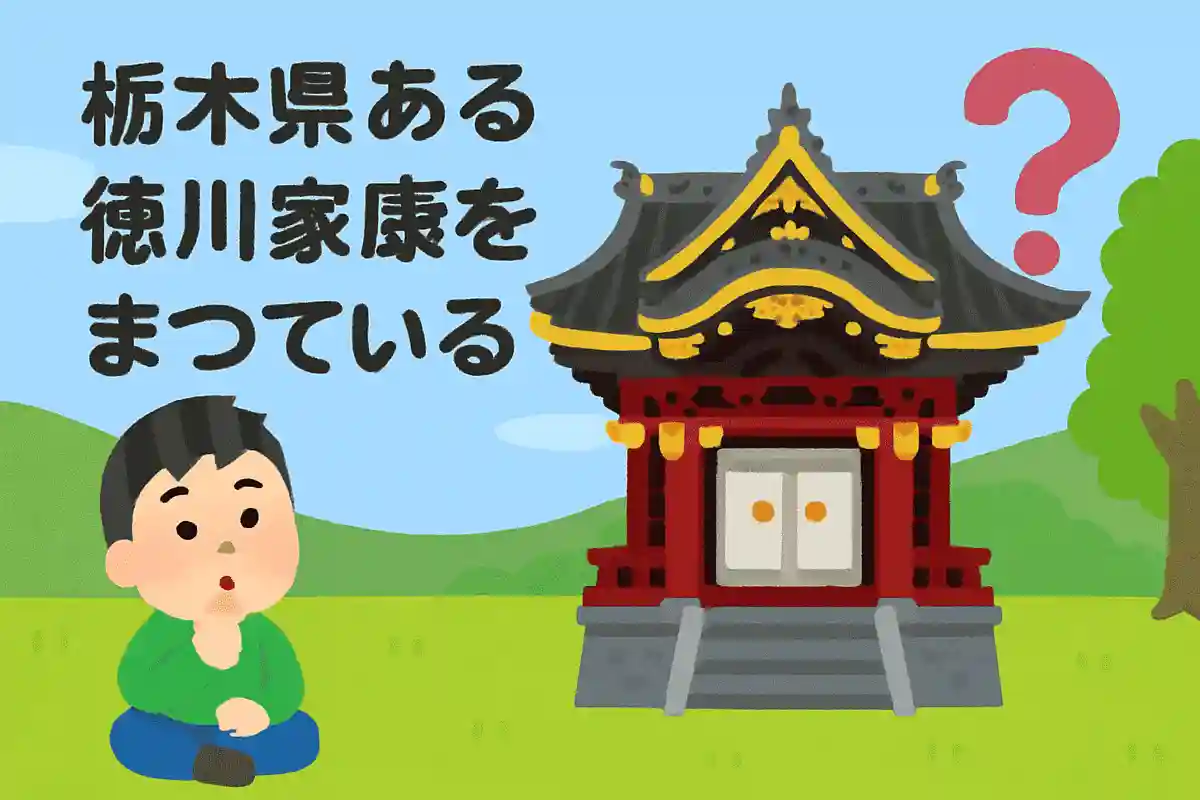
- Nikkō Futarasan Shrine
- Nikkō Tōshō-gū
- Meiji Shrine
See the answer
Nikkō Tōshō-gū
Nikkō Tōshōgū is a famous Shinto shrine located in Nikkō City, Tochigi Prefecture. It enshrines Tokugawa Ieyasu, the first shogun of the Edo shogunate, and serves as the head shrine of all Tōshōgū shrines in Japan. Tokugawa Iemitsu, Ieyasu’s grandson, held his grandfather in great esteem and built the present-day Nikkō Tōshōgū. Filled with ornate buildings and carvings, it is a place where you can experience history and culture.