


No matter how old we get, there are times when we feel down or want to push ourselves but just can’t, right? At times like these, many people—across generations—find strength by listening to music.
In this article, we’ll introduce a selection of uplifting songs especially recommended for people in their 70s.
We’ve gathered motivational tracks from the 1960s through the 1980s that can give you energy and courage.
Be sure to listen while reading the lyrics, and regain the power to move forward again!
- [Recommended for people in their 70s] Songs that get everyone excited. Songs you’ll want to sing at karaoke.
- [Recommended for people in their 70s] Classic nostalgic hits: A collection of youth songs
- A roundup of uplifting songs recommended for women in their 70s
- An encouraging song we want people in their 80s to hear. A cheer song from the Showa era.
- [Recommended for people in their 70s] Songs that really move you. Beloved classic Japanese hits of the past.
- Energizing songs recommended for men in their 70s: A roundup of nostalgic power tracks
- [For Seniors] Popular Karaoke Songs That Everyone Can Enjoy Together
- [Showa-Era Classics] A carefully selected collection of uplifting anthems that empower people across generations
- Tear-Jerking Songs Recommended for Women in Their 80s: A Collection of Heart-Stirring Masterpieces
- Great songs recommended for people in their 80s: a collection of tracks with lyrics that touch the heart
- Sing-Along Hits! Karaoke Songs That Get Women in Their 70s Excited
- Karaoke songs you’ll want to sing for men in their 70s: Enka and nostalgic Showa-era pop
- [2026] Recommended karaoke songs for women in their 70s: from enka to Showa-era pop
Recommended Cheer Songs for People in Their 70s: A Collection of Uplifting Tracks (1–10)
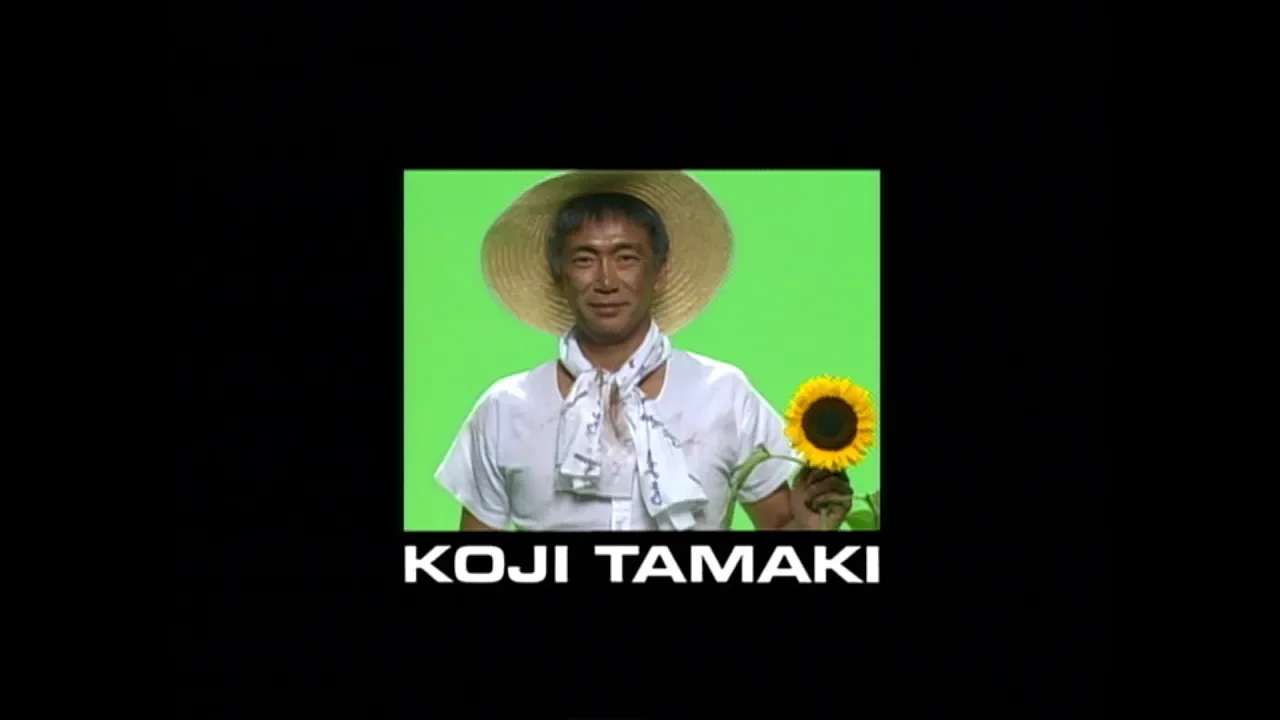
countrysideTamaki Kōji

A masterpiece infused with Koji Tamaki’s desire to sing about human anguish and sorrow.
Released in July 1996, it was also used as the theme song for the Fuji TV drama “Coach.” It became a major hit, peaking at No.
2 on the Oricon Singles Chart and selling 920,000 copies.
With a powerful message, its lyrics—drawn from everyday moments and encounters with people—leave a strong impression, reminding us of the importance of living.
As an anthem for everyone who perseveres through hardship, it has resonated with many.
Why not listen to this song and rediscover the precious values we tend to forget in our daily lives?
Door of LifeTakeuchi Mariya

This is a warm song that gently supports those standing at a crossroads in life and struggling with uncertainty.
It expresses the deep emotions of growing older and the feelings of finding meaning in life while accepting change.
Wrapped in Mariya Takeuchi’s gentle vocals, it may help you rediscover the beauty of life.
Released in August 2007, it was also used as the theme song for the drama “Musume no Kekkon” (My Daughter’s Marriage).
It’s a piece I especially recommend to anyone who feels the joy of living for someone they love.
You might enjoy savoring the heartfelt lyrics and even singing it together with others.
The season the sun gave usaoi sankakujougi

Aoi Sankaku Jōgi is a Japanese folk group formed in 1971.
Among their works, “The Season the Sun Gave Us,” released in 1972, became a major hit and was also chosen as the theme song for a youth drama on the Nippon TV network.
The song expresses feelings for what has been lost and hopes for new beginnings, and for people in their 70s in particular, it evokes the brilliance of youth and the beauty of its fleeting nature.
Because it carries a strong message about the bittersweet memories of youth that everyone experiences and the resolve to move forward beyond them, it gives listeners the courage to live in the present.
applausechiaki naomi

It’s a highly narrative song, as if you were watching a drama unfold.
With overwhelming expressive power, Naomi Chiaki sings of a protagonist who hides deep sorrow in their heart yet continues to stand on stage.
As you listen, can’t you just see the scenes come to life before your eyes? Released in September 1972, the song won the 14th Japan Record Award and was also featured in a Suntory “BOSS” commercial.
It’s a profound piece that quietly stays close to the hearts of those who have weathered many of life’s ups and downs.
As long as the sun is in the skyNishikino Akira

This song, distinguished by its bright and refreshing melody, is a signature work by Dan Nishikino that extols eternal love and hope.
Released in 1971, it became a major hit, reaching No.
3 on the weekly Oricon chart, and was also performed at that year’s Kōhaku Uta Gassen.
The theme—“Let’s keep looking forward and walk on”—delivers a wonderful message that resonates with older listeners.
It’s a perfect piece for recreational activities that get you moving while recalling fond memories.
It’s a song that everyone can sing together to feel energized and share a delightful time.
As time goes bysawada kenji

This is the theme song from the 1975 drama “Akuma no Yōna Aitsu,” starring Kenji Sawada.
Those who watched the series at the time may find it nostalgic.
The song portrays a deep sense of life’s melancholy and the quiet act of surrendering to the flow of time together with a loved one.
When you want to push forward but your heart can’t keep up, its melody doesn’t force encouragement; instead, it gently stays by your side—a tune that truly resonates.
Listening to this piece while reflecting on the days you’ve walked through would be wonderful.
era; age; time; periodNakajima Miyuki

Since debuting with “Azami Jō no Lullaby” in 1975, Miyuki Nakajima has established a unique place in Japan’s music scene.
This song, “Jidai,” was released in 1975.
With its compassion for life’s hardships and its message of hope, it continues to be loved by many.
Among older listeners, there may be those for whom this song became a source of support.
Nakajima’s lyrics and melodies, imbued with deep emotion, move listeners’ hearts and convey a universal message that resonates in any era.