


When you go to karaoke, do you ever feel hesitant to sing only the songs you personally want, but also find yourself unsure what else to choose? In times like that, why not try songs that the people around you would love to hear? In this article, we’re introducing a selection of songs we’d love men in their 70s to sing—all in one go.
We focused mainly on well-known tracks that many people are likely familiar with.
There are plenty of songs that are especially cool when sung by men in their 70s, so please use this as a reference!
- Karaoke songs you’ll want to sing for men in their 70s: Enka and nostalgic Showa-era pop
- [Recommended for people in their 70s] Songs that get everyone excited. Songs you’ll want to sing at karaoke.
- [For men in their 70s] A collection of easy-to-sing songs even for people who are tone-deaf
- [Karaoke] Songs That Get Men in Their 70s Fired Up! A Collection of Nostalgic Japanese Hits [2026]
- Recommended heartbreak songs for men in their 70s: A collection of poignant, nostalgic classics
- Also great for dementia care! Recommended dance songs for people in their 70s: Let’s dance to those classic hits
- Recommended love songs for men in their 70s: A collection of nostalgic love songs
- Energizing songs recommended for men in their 70s: A roundup of nostalgic power tracks
- A roundup of recommended Japanese songs for karaoke that will excite men in their 80s
- Easy-to-sing songs recommended for men in their 70s: A collection of classic hits you’ll want to sing at karaoke
- [For People in Their 60s] Karaoke Songs That Get the Crowd Going: Ranking [2026]
- Tear-jerking songs for women in their 70s: from Showa-era classics to Heisei hits
- [Recommended for people in their 70s] Classic nostalgic hits: A collection of youth songs
Songs we’d like men in their 70s to sing: Top karaoke picks (1–10)
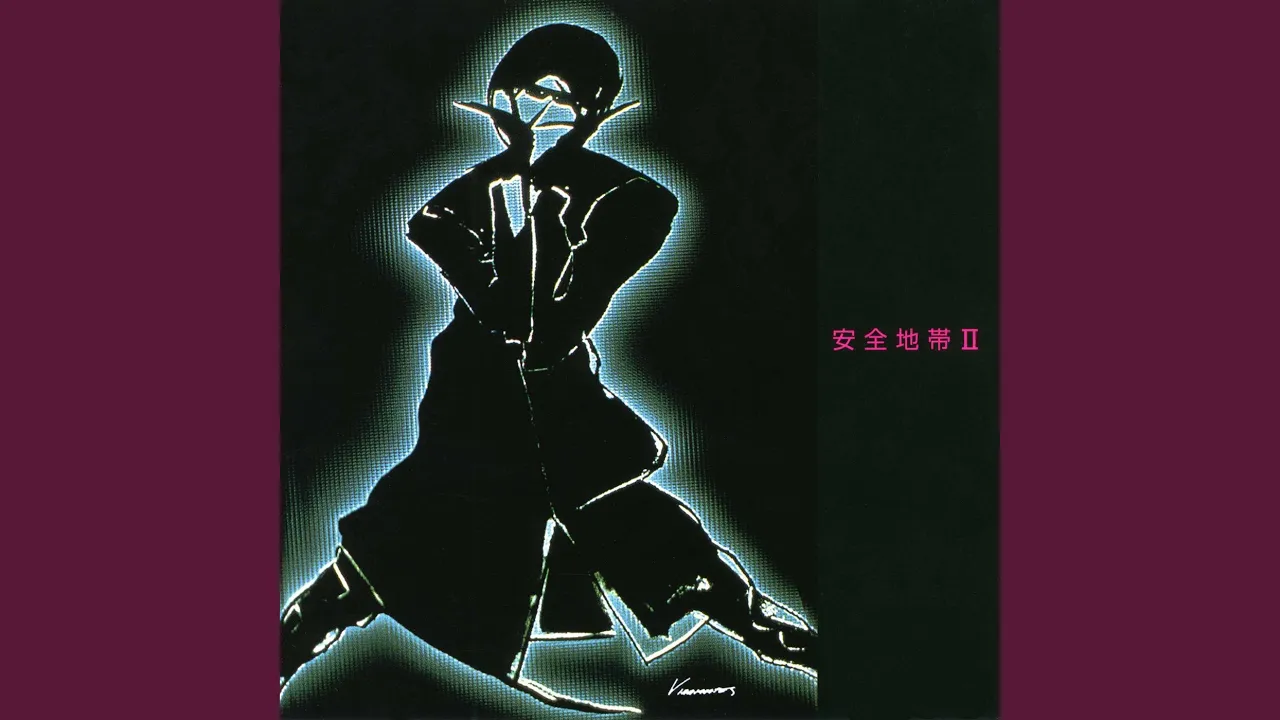
Wine Red Heartanzenchitai

Released in 1983 to instant, massive success, this song became one of Anzen Chitai’s signature tracks and has continued to be loved for its profound lyrics and melody.
It’s a mature love song that vividly conveys passion and heartache.
Featured in a Suntory commercial and as the theme song for the drama “Machigai Darake no Otto Erabi” (Choosing the Wrong Husband), it drew attention from the moment it was released.
Since then, it has remained one of Anzen Chitai’s most cherished songs and is now a timeless classic popular across generations.
Let its wistful, soul-stirring melody touch your heart—and sing it with all the emotion you can.
Sake, Tears, Men, and WomenKawashima Eigo

A song created while observing how men and women lived in the Showa era.
The man drinks to drown his loneliness, while the woman sheds tears and immerses herself in sorrow…
Many listeners were surely moved and deeply empathized with the image of a man gritting his teeth and enduring because “as a man, he can’t show his tears.” Released in 1975, it became a massive hit after being used in a Kizakura commercial.
It’s an indispensable signature piece when discussing Eigo Kawashima’s career, and it continues to be loved by many to this day.
When someone in their seventies belts it out, you can feel the nuances, depth, and strength of a life lived.
It’s one of those songs that gets everyone excited at karaoke.
Love Song AnthologyHoriuchi Takao

A poignant love song by Takao Horiuchi that expresses his feelings for a lover who suddenly vanished.
The lingering emotions of a lost love are sung over a beautiful melody.
Originally released in 1989 as a song provided to Shiori Asō, it was later self-covered by Horiuchi himself in 1990.
The track was also used as the ending theme for the TV Asahi drama “Hagure Keiji Junjōha,” and the single became a massive hit, selling over one million copies.
In the same year, it achieved the rare feat of winning both the Japan Record Award and the Japan Cable Radio Award.
Because the song centers on the lingering regrets of love, it may resonate especially deeply when sung by someone in their seventies with a wealth of life experience.
BoyhoodInoue Yosui

A Heisei-era hit song that will surely be sung forever.
It’s Inoue Yosui’s biggest hit and a classic that’s been featured repeatedly in middle and high school music textbooks.
This piece beautifully matches his laid-back vocals with lyrics that evoke a leisurely summer landscape where time flows gently.
Its melody, which stirs nostalgia across generations, feels wonderfully comforting.
Released in September 1990, it became one of his signature songs, even appearing in textbooks from 1994 onward.
Its popularity resurged after being used in a Sony Handycam commercial, leading to million-seller status.
It’s great for karaoke, but even just listening to it will warm your heart.
Bus StopTaira Koji

Released in September 1972 and ranking high on the Oricon charts, this song has remained beloved over the years, even being re-recorded in 1982 as a jingle for a Meiji Seika commercial.
It portrays the complex emotions of a woman who must accept parting from the one she loves—gracefully stepping back while secretly wishing not to let go—a sentiment that has moved many listeners.
It’s a profoundly expressive piece that can only be conveyed through the rich life experience of those in their seventies.
Be sure to take your time and sing it with feeling at karaoke.
TSUNAMISazan Ōrusutāzu

This work is characterized by a nostalgic melody and lyrics that resonate deeply.
Released in January 2000, it is known as one of Southern All Stars’ signature songs.
Its tie-in with the TBS TV program “Unnan no Hontoko!” also became a hot topic.
The lyrics offer a profound reflection on love, parting, and the fate of life, touching the hearts of many.
Keisuke Kuwata’s richly expressive vocals further enhance the song’s appeal.
When singing it at karaoke, layering your own life experiences onto the song will give it even more depth.
Its approachable style makes it friendly for older listeners as well, so why not give it a try?
Until we meet againOzaki Kiyohiko

One of Kiyohiko Ozaki’s most renowned signature songs, famous as a farewell tune.
Released in March 1971, it won both the Japan Record Award and the Japan Kayō Grand Prize that same year.
The lyrics depict two lovers who decide to part ways, closing the door together for the last time and removing each other’s names from the nameplate.
Instead of a simple goodbye, it ends with the forward-looking words “Until we meet again,” poignantly portraying a mature end to a love.
The melody, tinged with a certain wistfulness yet imbued with strength and tenderness, makes it a supreme ballad.