

[Recommended for people in their 70s] Songs that really move you. Beloved classic Japanese hits of the past.

A collection of Showa-era songs that are now loved across generations.
Hearing those retro sounds brings back memories of youth—many of you might feel the same.
This time, we’re introducing some wonderful classics that are especially recommended for people in their 70s.
From hit songs familiar to many to tracks with lyrics that truly move you, every piece resonates with the heart—you may find yourself humming along before you know it.
Why not spend a relaxing moment accompanied by nostalgic music?
- [Recommended for people in their 70s] Classic nostalgic hits: A collection of youth songs
- [Recommended for people in their 70s] Songs that get everyone excited. Songs you’ll want to sing at karaoke.
- Karaoke songs you’ll want to sing for men in their 70s: Enka and nostalgic Showa-era pop
- Recommended love songs for women in their 70s: A collection of nostalgic love songs
- [For Seniors] Popular Karaoke Songs That Everyone Can Enjoy Together
- Great songs recommended for people in their 80s: a collection of tracks with lyrics that touch the heart
- Recommended Cheer-Up Songs for People in Their 70s: A Collection of Uplifting Tunes
- Tear-jerking songs for women in their 70s: from Showa-era classics to Heisei hits
- Energizing songs recommended for men in their 70s: A roundup of nostalgic power tracks
- [Nostalgic Songs] A collection of tear-jerking Japanese tracks recommended for men in their 70s
- [For Seniors] Popular Kayōkyoku: A Collection of Classic Songs Perfect for Karaoke and Background Music Selection
- [For Seniors] Introducing recommended songs to give on Respect for the Aged Day
- Recommended love songs for men in their 70s: A collection of nostalgic love songs
Recommended for people in their 70s: deeply moving good songs. Beloved classic Japanese hits (101–110)
The morning I had forgottenYamamoto Junko

The folk group Akai Tori’s July 1971 single is like a mental landscape that gently reflects the youth of those days.
Junko Yamamoto’s clear, translucent voice and the beautiful harmonies soothe the listener’s heart.
Included on the album Akai Tori II, the song features a calm arrangement that evokes the fresh air of morning.
It’s a recommended track for moments when you want to pause amid busy days to reflect on yourself, or when you feel like immersing yourself in precious memories.
The Highland Train GoesOkamoto Atsurō

A song that gracefully celebrates the natural beauty of the highlands and the romance of train travel evokes heartwarming memories of family trips and brings to mind wonderful moments with loved ones.
Its sweeping scenery and romantic spirit are sure to soothe anyone’s heart.
Carried by Atsuro Okamoto’s comforting vocals, the pastoral landscapes gently resonate within.
Since its release in 1954, this work has continued to be beloved by many and was featured in the 2020 NHK morning drama series “Yell,” moving audiences across generations.
It’s perfect for a time of sharing old memories over tea with everyone.
Settle in, relax, and enjoy a peaceful moment.
It’s Tokyo, Mother.Shimakura Chiyoko

A song that deeply moved postwar Japan, it centers on the bond between parent and child, depicting memories of a mother and daughter spending time together in Tokyo.
Chiyoko Shimakura’s clear, pure voice blends beautifully with Tōru Funamura’s emotionally rich melody, creating a track that brings a sense of calm to the listener.
Released in April 1957, it became a major hit, selling over 1.5 million copies.
That same year, it was adapted into a film, with Chiyoko Shimakura herself in the leading role.
Singing it together with older listeners is likely to spark lively reminiscences of the time.
As nostalgic Tokyo landmarks appear one after another, it gently stirs everyone’s memories and promises a heartwarming moment.
Anemone flaccida (nirinsō; literally “two-flowered anemone”)kawanaka miyuki

This is a warm song about the bond between husband and wife, with Miyuki Kawanaka’s emotionally rich vocals resonating deeply.
Using as its motif a plant where two flowers bloom side by side, it sings of the importance of caring for and supporting each other through life.
Combined with her gently enveloping voice, the piece is heartwarming, conveying deep love and connection.
Released in 1998, it became a major hit, with shipments surpassing one million copies.
At the 40th Japan Record Awards, it won both the Excellence Award and the Arrangement Award.
Featured five times on NHK’s Kōhaku Uta Gassen, this song has long been cherished in karaoke as a memorable tune for couples who have spent many years together.
A hill with a view of the harborHirano Aiko

A postwar masterpiece that gently sings of a beautiful port town.
With its wistful melody and emotionally rich lyrics, Aiko Hirano superbly conveys the stirrings of love and the ache of parting.
On a hill overlooking the harbor, as cherry blossoms fall, the delicate feelings of someone thinking of a departing lover are vividly depicted, giving the song a universal appeal that anyone can relate to.
Since its release in April 1947, it became Victor’s first hit of the postwar era, selling a total of 450,000 copies.
Many artists, including Naomi Chiaki, Mina Aoe, and Hibari Misora, have covered it.
It’s a perfect song for the season when spring is in the air, offering a heartwarming moment filled with nostalgia.
It is a wonderful piece for seniors to share a calm, reminiscence-filled time together.
Recommended for those in their 70s: Songs that really hit the heart. Beloved classic Japanese tunes (111–120)
Flying to IstanbulShōno Mayoyo
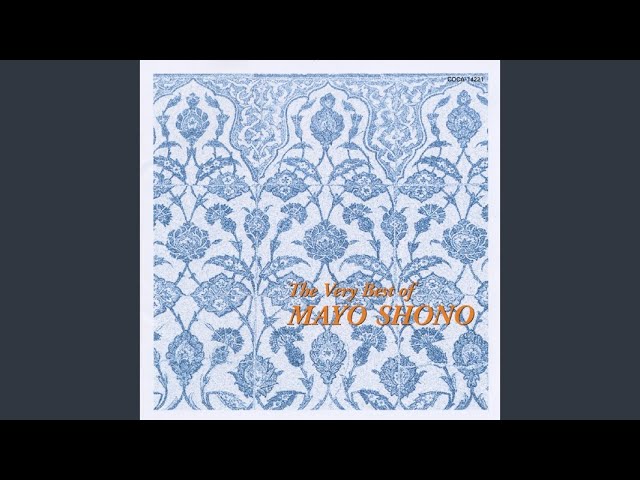
A captivating song that beckons you into an exotic world with its dreamy melody and sophisticated, cosmopolitan lyrics.
Released in April 1978, it became one of Maya Shono’s signature works, selling 463,000 copies on the Oricon charts.
Though composer Kyohei Tsutsumi originally wrote it for Goro Noguchi, he decided it would suit a female vocalist better and offered it to Shono.
The arrangement features the Greek folk instrument bouzouki, adding to its exotic atmosphere.
The song portrays a woman setting off on a sentimental journey after a heartbreak, delicately expressing her resolve not to resent her former lover but to accept the experience as a cherished memory.
It’s a perfect choice to sing on a summer night at karaoke, accompanied by your own precious memories.
Come, spring.Matsutōya Yumi

The celebrated song that gently sings of the arrival of spring was released in 1994 by Yumi Matsutoya and became a major topic as the theme song for an NHK morning drama series.
Its sweet, wistful vocals and lyrics filled with feelings for a loved one deeply resonate with many listeners.
Elegantly portraying spring scenes—such as the scent of daphne and sudden showers—it beautifully expresses nostalgic memories and the hope of reunion.
After its release, the song topped the Oricon weekly chart and became a massive hit, selling over 1.16 million copies.
It was also used for the Huis Ten Bosch Tulip Festival and in commercials for the Yomiuri Shimbun, making it familiar to an even wider audience.
Its gentle melody and heartwarming lyrics are perfect for sparking conversations about memories with older adults.
Please enjoy a richly satisfying moment together while feeling the arrival of spring.