

[Recommended for people in their 70s] Songs that really move you. Beloved classic Japanese hits of the past.

A collection of Showa-era songs that are now loved across generations.
Hearing those retro sounds brings back memories of youth—many of you might feel the same.
This time, we’re introducing some wonderful classics that are especially recommended for people in their 70s.
From hit songs familiar to many to tracks with lyrics that truly move you, every piece resonates with the heart—you may find yourself humming along before you know it.
Why not spend a relaxing moment accompanied by nostalgic music?
- [Recommended for people in their 70s] Classic nostalgic hits: A collection of youth songs
- [Recommended for people in their 70s] Songs that get everyone excited. Songs you’ll want to sing at karaoke.
- Karaoke songs you’ll want to sing for men in their 70s: Enka and nostalgic Showa-era pop
- Recommended love songs for women in their 70s: A collection of nostalgic love songs
- [For Seniors] Popular Karaoke Songs That Everyone Can Enjoy Together
- Great songs recommended for people in their 80s: a collection of tracks with lyrics that touch the heart
- Recommended Cheer-Up Songs for People in Their 70s: A Collection of Uplifting Tunes
- Tear-jerking songs for women in their 70s: from Showa-era classics to Heisei hits
- Energizing songs recommended for men in their 70s: A roundup of nostalgic power tracks
- [Nostalgic Songs] A collection of tear-jerking Japanese tracks recommended for men in their 70s
- [For Seniors] Popular Kayōkyoku: A Collection of Classic Songs Perfect for Karaoke and Background Music Selection
- [For Seniors] Introducing recommended songs to give on Respect for the Aged Day
- Recommended love songs for men in their 70s: A collection of nostalgic love songs
[Recommended for people in their 70s] Songs that hit the heart. Nostalgic Japanese masterpieces (131–140)
Northern fishing groundsKitajima Saburō

Saburo Kitajima’s “Kita no Gyoba” (“Northern Fishing Grounds”) is a masterpiece that powerfully gives voice to the feelings of fishermen.
The way they confront harsh nature is vividly portrayed through lyrics by Kaoru Shinjo.
Since its 1986 release, the song has remained beloved by many and even won the Japan Record Awards’ Best Vocal Performance.
It’s also a karaoke classic.
The pride and loneliness of men who live by the northern seas—and their passion for the ocean—resonate deeply.
Why not sing it with friends, along with your nostalgic memories? It’s sure to make for a moving and wonderful time.
sunset cloudsSen Masao

Masao Sen’s “Yuyakegumo” is a moving classic that portrays a deep longing for one’s hometown.
Many listeners have likely resonated with the lyrics, where a determination not to return intertwines with bittersweet feelings.
Nostalgic scenes come to mind—an apricot tree, water in the moat.
Sen’s rich, husky voice beautifully conveys the emotion of reminiscing about a distant home.
It’s no wonder the song has been cherished by many since its 1976 release.
A track that’s sure to make you think of someone.
It’s perfect for spending a calm moment while reflecting on memories with a special person.
March of 365 StepsSuizenji Kiyoko

Kiyoko Suizenji’s “365-Step March,” which conveys the spirit of the Showa era, continues to move many hearts even today.
Since its release in 1968, its momentum has never waned, and its warm, forward-looking lyrics resonate with listeners.
For those in their seventies in particular, it likely brings back memories of their youth.
Its lyrics, which echo Buddhist thought, also offer a calming source of support.
While we look back fondly on days gone by, it fills us with the courage to take a new step forward.
May you spend today with energy as you listen to its heart-touching melody.
Brother ShipsToba Ichirō

Ichiro Toba’s “Kyodai-bune” (Brotherly Boat) is a masterpiece that powerfully sings of the bond among men of the sea.
Although it was his 1982 debut single, it continues to resonate with many people today.
Composed by Toru Funamura with lyrics by Tetsuro Hoshino, the song features moving words that depict the lives of fisherman brothers.
The line “In the troughs of the waves, blooms the flower of life” reflects the strength of the brothers as they face the harsh sea.
Beloved across generations, it was performed seven times on NHK’s Kouhaku Uta Gassen.
It’s a wonderful song that evokes nostalgia and a sense of connection with family and comrades.
Sing it at karaoke, and it will surely set your heart ablaze.
It was rainy again in Nagasaki today.Uchiyamada Hiroshi to Cool Five
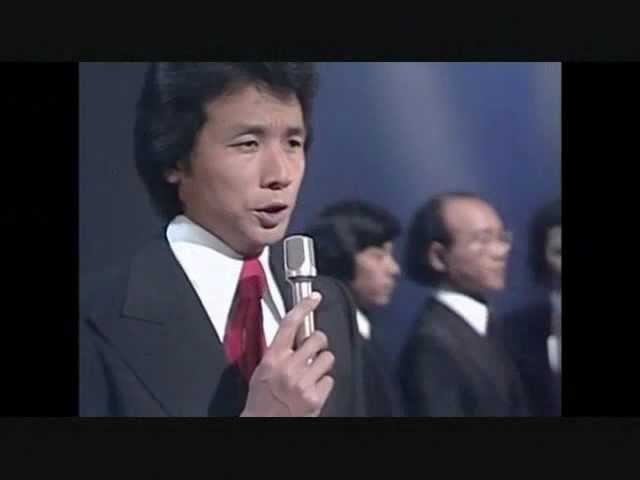
An inspiring ballad that paints the scene of Showa-era rain, Hiroshi Uchiyamada and the Cool Five’s “Nagasaki wa Kyou mo Ame Datta” (“It Was Raining Again in Nagasaki Today”).
Since its release in 1969, this melody has lingered in many hearts and has been loved across generations.
Its simple yet gripping lyrics seem to wash away the pain of heartbreak along with the teardrop rain.
The rhythm is soothing, wrapping listeners in warmth.
Kiyoshi Maekawa’s gentle vocals feel both nostalgic and fresh—perhaps a secret to its broad appeal across ages.
It quietly stays close to the heart and heals.
Truly a classic perfect for a rainy day.
In conclusion
For those who lived through the Showa era, they’re nostalgic; for those born in the Heisei and Reiwa eras, Showa hit songs feel fresh. We introduced them as recommended tracks for people in their 70s, but good music resonates with everyone, regardless of generation. Please enjoy a wonderful time with your favorite song.