

Autumn songs from the Showa era: A collection of classic masterpieces that colored the J-POP scene

On a somewhat wistful autumn evening, standing by the window and watching the sunset, it’s the season when you feel like listening to nostalgic Showa-era pop songs.
As the maples and ginkgoes turn color, a trove of gem-like autumn classics soothes the heart.
Songs of autumn we heard as children reveal a strangely different expression when we listen to them now as adults.
In this article, we’ll introduce beloved autumn-themed masterpieces from the Showa period, along with numbers that evoke an autumnal mood.
Whether you’re reminiscing about your youth or discovering them for the first time, please enjoy the wonderful world of song.
- [Autumn Songs] Songs of autumn. Classic tracks and popular favorites you’ll want to listen to in the fall.
- Autumn songs that were hits in the 80s. Classic and popular tracks from Japanese music.
- [2026] Autumn Songs for People in Their 60s: Classic Tracks Perfect for the Deepening Fall
- [Classic Showa Kayō Hits] The captivating Showa-era pop songs beloved even by younger generations
- [2026] A collection of autumn songs for people in their 50s. Showa-era classics that bring back memories of those days
- A Guide to Classic Autumn Songs to Sing at Karaoke in October
- Autumn songs that were hits in the ’90s. Classic and popular tracks in Japanese music.
- [Autumn Classics] Japanese Songs to Listen to and Sing in October: A Curated Selection of Beloved, Heartfelt Hits
- Cool songs from the Showa era. Masterpieces from Showa that shine with sensuality, passion, and rugged charm.
- [2026] Songs to listen to in November: masterpieces of late autumn, autumn songs.
- Heart-touching, tear-jerking masterpieces from the Showa era
- From bittersweet tracks to party anthems: fall songs recommended for Gen Z
- Songs to Listen to in September: Popular J-POP Tracks That Capture the End of Summer and Early Autumn
Autumn Songs of the Showa Era: A Collection of Classic J-POP Gems (1–10)
Signs of autumnofukōsu

When it comes to autumn songs by Off Course, the band fronted by Kazumasa Oda, this is the one that comes to mind! It was released in 1977, during the middle period of Off Course’s career.
The melody, woven by Oda’s gentle and soft vocals, is pleasant to the ear, and combined with the light, upbeat accompaniment, it’s very soothing to listen to.
At the same time, the lyrics depict a bittersweet breakup between a man and a woman.
It portrays the man leaving the woman, and Oda later looked back on the male character in the lyrics, calling him “a terrible man.”

Burning Autumnhaifaisetto

Here is a masterpiece that beautifully captures the emotions of autumn.
Released by Hi-Fi Set in 1978, this song exquisitely fuses Hiroyuki Itsuki’s poetic lyrics with Toru Takemitsu’s beautiful melody.
It was also used as a movie theme song and received high acclaim, including winning Best Music at the 2nd Japan Academy Prize.
Loved by many as a perfect song for long autumn nights, it has inspired numerous jazz covers, attesting to its timeless appeal.
As the season of autumn approaches, why not listen to it in a calm, reflective mood? It’s sure to be an experience that resonates deeply in your heart.
Autumn has a pastel touchNakamori Akina

It might not be widely known, but this song was actually composed by none other than Masayoshi Takanaka, the renowned guitarist.
It’s an exciting collaboration between a fusion legend and the queen of pop.
The briskly played guitar riffs over the period’s programmed sound, as well as the tone and melody of the solo at the end, are quintessential Takanaka—naturally.
The lyrics were written by Etsuko Kisugi, which is another highlight you can’t overlook.
Perhaps to match the fusion vibe of the track, Akina delivers her vocals with a lighter touch than usual.

Autumn Songs of the Showa Era: A Collection of Classic Hits That Colored the J-POP Scene (11–20)
SeptemberTakeuchi Mariya

This song is etched deeply in many people’s hearts as a classic that colors the long nights of autumn.
Mariya Takeuchi’s clear, translucent voice delicately captures the shift from summer to fall.
Set in September—the month that symbolizes parting—the lyrics portray the end of a romance and the changes of the heart, resonating deeply with listeners.
Released in 1979, this track has long been cherished as one of Takeuchi’s signature works.
It appears on multiple releases, including the album “LOVE SONGS,” attesting to its enduring popularity.
It’s a perfect listen when you begin to feel autumn’s arrival and find yourself in a contemplative mood.
This is a song that will let you feel the autumn breeze in your heart.
AutumnAran Tomoko

Tomoko Aran, a singer who stood out in the city-pop scene and also penned hit songs for TUBE as a lyricist.
This piece centers on the faint loneliness brought by the arrival of autumn and memories of days gone by.
Its urbane, wistful ensemble and lyrics that trace delicate emotions align beautifully with the melancholic atmosphere of the season.
Released in December 1989, the song was also used as the commercial image song for Takeda’s “Sparier White ED,” in which Aran herself appeared.
The sound—where the poignant melody melds with her wistful vocals—can draw you into its nostalgic world when you listen on a quiet night alone, lost in memories.
It’s a classic that gently accompanies a melancholic mood.
A City Turning ColorsMinami Saori

It’s one of Saori Minami’s signature songs, capturing both the poignancy and the brilliance of autumn.
Released in August 1973 as her ninth single, it’s also included on the classic album “Before Twenty.” The lyrics are moving, intertwining the sight of a city beginning to change color with the delicate emotions of a girl who has discovered love and is growing more mature.
The poetic phrase “blue dead leaves,” penned by lyricist Mieko Arima, beautifully conveys the heroine’s sensitive state of mind.
With this song, Saori Minami also appeared in the 24th NHK Kōhaku Uta Gassen.
The melody, tinged with a certain sadness yet somehow uplifting, makes you want to listen as you gaze at an autumn sunset.
It’s a number that stays close to your heart when you feel a touch sentimental during the changing seasons.
White cosmosKoizumi Kyoko
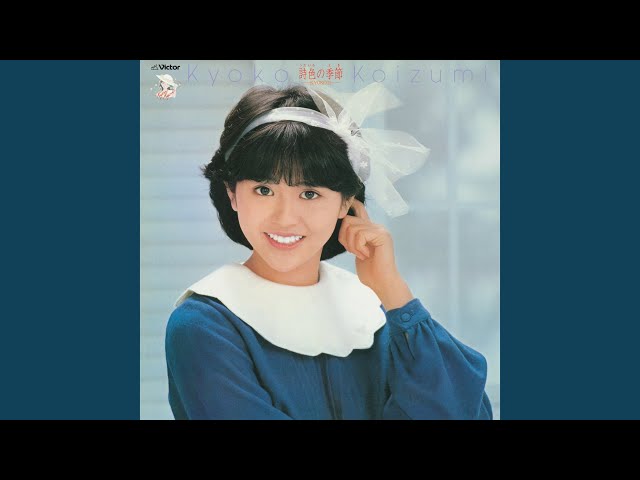
It’s a hidden gem by Kyoko Koizumi, a song that layers pure first love over white cosmos flowers.
With her delicate vocals, she gently portrays a heart still untouched by any color becoming vividly hued through meeting someone special.
Featured on her second album, “Shishoku no Kisetsu,” released in December 1982, it’s a folk-tinged ballad that offers a glimpse of a more mature side of the then-new idol.
The melody blends the slightly lonely atmosphere of autumn with the bittersweet stirrings of new love, tenderly enveloping the listener’s heart.
It’s perfect for a long autumn night when you want to linger in a sentimental mood—why not give it a careful listen?