

Autumn songs from the Showa era: A collection of classic masterpieces that colored the J-POP scene

On a somewhat wistful autumn evening, standing by the window and watching the sunset, it’s the season when you feel like listening to nostalgic Showa-era pop songs.
As the maples and ginkgoes turn color, a trove of gem-like autumn classics soothes the heart.
Songs of autumn we heard as children reveal a strangely different expression when we listen to them now as adults.
In this article, we’ll introduce beloved autumn-themed masterpieces from the Showa period, along with numbers that evoke an autumnal mood.
Whether you’re reminiscing about your youth or discovering them for the first time, please enjoy the wonderful world of song.
- [Autumn Songs] Songs of autumn. Classic tracks and popular favorites you’ll want to listen to in the fall.
- Autumn songs that were hits in the 80s. Classic and popular tracks from Japanese music.
- [2026] Autumn Songs for People in Their 60s: Classic Tracks Perfect for the Deepening Fall
- [Classic Showa Kayō Hits] The captivating Showa-era pop songs beloved even by younger generations
- [2026] A collection of autumn songs for people in their 50s. Showa-era classics that bring back memories of those days
- A Guide to Classic Autumn Songs to Sing at Karaoke in October
- Autumn songs that were hits in the ’90s. Classic and popular tracks in Japanese music.
- [Autumn Classics] Japanese Songs to Listen to and Sing in October: A Curated Selection of Beloved, Heartfelt Hits
- Cool songs from the Showa era. Masterpieces from Showa that shine with sensuality, passion, and rugged charm.
- [2026] Songs to listen to in November: masterpieces of late autumn, autumn songs.
- Heart-touching, tear-jerking masterpieces from the Showa era
- From bittersweet tracks to party anthems: fall songs recommended for Gen Z
- Songs to Listen to in September: Popular J-POP Tracks That Capture the End of Summer and Early Autumn
Songs of Autumn from the Showa Era: A Collection of Classic J-POP Gems (21–30)
Lovers’ PavementArufī

A warm love song to a lover, THE ALFEE’s 1984 number “Koibitotachi no Pavement.” As autumn turns into winter and the cold gradually deepens, it’s a song whose gentle warmth can soothe both body and soul.
The lyrics—promising to support you no matter what and to keep walking through life together—feel like a proposal and make your heart skip a beat.
It’s also a great one to send directly to your partner! As you listen, try imagining what kind of scenery awaits along the path the two of you will walk from here on.

My loverGorin Mayumi

A signature song by Mayumi Itsuwa that captivated living rooms across the nation with her overwhelming vocal prowess.
From the very first lines, it pierces the heart with sadness and loneliness—and with good reason: it’s said she wrote it after witnessing the grief of the wife of her producer, who died young in an accident, a man who had supported her career.
Even amid such profound sorrow, the lyrics are filled with lyrical, beautiful language that draws you into a serene, crystalline world.
Partings are an inescapable part of life, and perhaps there are things that shine all the more for their poignancy—this is a song that invites you to quietly sink into that autumnal melancholy.

Autumn’s Pensive GazeItō Maiko

Celebrated as a classic that captures the bittersweet emotions of autumn love, this song has long continued to resonate with listeners.
Maiko Ito’s gentle vocals and the mellow arrangement vividly evoke autumn scenes, leaving a strong impression.
Released in September 1983, the track reached No.
41 on the Oricon charts and sold approximately 33,000 copies.
The jacket photo, shot by Kishin Shinoyama, drew visual attention as well.
Loved by many as a song to enjoy on long autumn nights, it’s especially recommended when you feel the end of a romance yet want to bask in nostalgic memories.
Autumn-colored townKunizane Yuri
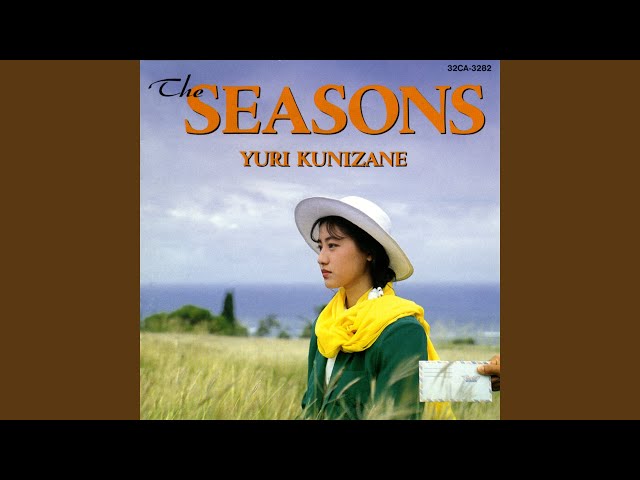
A wistful and beautiful song inspired by an autumn cityscape.
Yuri Kunimi’s transparent vocals gently embrace the lyrics that layer the changing seasons with the end of a romance.
The sophisticated sound, a fusion of synth-pop and city pop, evokes Japan’s late-’80s music scene.
Released in March 1989, it reached No.
22 on the Oricon chart and ranked No.
19 on the popular music program “The Best Ten.” A track you’ll want to hear on an autumn evening, when you’re in a reflective mood.
Recommended both for those newly in love and for those looking to heal the pain of heartbreak.
Your eyes are 10,000 voltsHoriuchi Takao

With lyrics by Shinji Tanimura and music by Takao Horiuchi, this song is distinguished by its dynamic, impactful chorus.
The lyrics, inspired by an overwhelmingly beautiful woman, are conveyed with disarming directness alongside an evergreen melody, making it a classic that feels like a refreshing autumn breeze as you listen.
Originally commissioned as Alice’s song for Shiseido’s autumn campaign, it ended up being released as Horiuchi’s solo after Tanimura, due to an illness at the time, was unable to sing.
It’s a superb pop song, perfect for those moments under a pleasant autumn sky when you find yourself recalling the sparkling days of a distant summer.
Photo Mail for OctoberIwasaki Yoshimi

It is a masterpiece that beautifully portrays autumn scenery and the bittersweetness of love.
The emotions of the protagonist, who receives a letter in October, are exquisitely expressed through Yoshimi Iwasaki’s delicate vocals.
Released in September 1984, this song carries the refined atmosphere of city pop and evokes an urban autumn landscape.
Included on the album “Cyclamen,” it has long been cherished as one of Iwasaki’s signature songs.
This work will deeply resonate with those who have experienced a breakup or are in a long-distance relationship.
It’s perfect for listening alone on a long autumn night, but it might also be lovely to listen to it with someone special and reaffirm each other’s feelings.
The wind is autumn-colored.Matsuda Seiko

This song marked the beginning of the “Seiko legend” that Seiko Matsuda would go on to build.
Starting with this track, she achieved 24 consecutive No.
1 singles on the Oricon charts! It was also her first double A-side single and even featured in a Shiseido commercial, making it a constant topic of conversation.
The lyrics recall a love that ended with summer, remembered in autumn.
Although the romance has ended, Seiko expresses the feelings with her trademark brightness so they don’t turn somber.
It’s a wonderful early-autumn song that supported Seiko in her early years—one that makes you want to listen while reminiscing about the past.