

Autumn songs from the Showa era: A collection of classic masterpieces that colored the J-POP scene

On a somewhat wistful autumn evening, standing by the window and watching the sunset, it’s the season when you feel like listening to nostalgic Showa-era pop songs.
As the maples and ginkgoes turn color, a trove of gem-like autumn classics soothes the heart.
Songs of autumn we heard as children reveal a strangely different expression when we listen to them now as adults.
In this article, we’ll introduce beloved autumn-themed masterpieces from the Showa period, along with numbers that evoke an autumnal mood.
Whether you’re reminiscing about your youth or discovering them for the first time, please enjoy the wonderful world of song.
- [Autumn Songs] Songs of autumn. Classic tracks and popular favorites you’ll want to listen to in the fall.
- Autumn songs that were hits in the 80s. Classic and popular tracks from Japanese music.
- [2026] Autumn Songs for People in Their 60s: Classic Tracks Perfect for the Deepening Fall
- [Classic Showa Kayō Hits] The captivating Showa-era pop songs beloved even by younger generations
- [2026] A collection of autumn songs for people in their 50s. Showa-era classics that bring back memories of those days
- A Guide to Classic Autumn Songs to Sing at Karaoke in October
- Autumn songs that were hits in the ’90s. Classic and popular tracks in Japanese music.
- [Autumn Classics] Japanese Songs to Listen to and Sing in October: A Curated Selection of Beloved, Heartfelt Hits
- Cool songs from the Showa era. Masterpieces from Showa that shine with sensuality, passion, and rugged charm.
- [2026] Songs to listen to in November: masterpieces of late autumn, autumn songs.
- Heart-touching, tear-jerking masterpieces from the Showa era
- From bittersweet tracks to party anthems: fall songs recommended for Gen Z
- Songs to Listen to in September: Popular J-POP Tracks That Capture the End of Summer and Early Autumn
Songs of Autumn from the Showa Era: A collection of classic masterpieces that colored the J-POP scene (31–40)
It’s almost September.Kawai Naoko
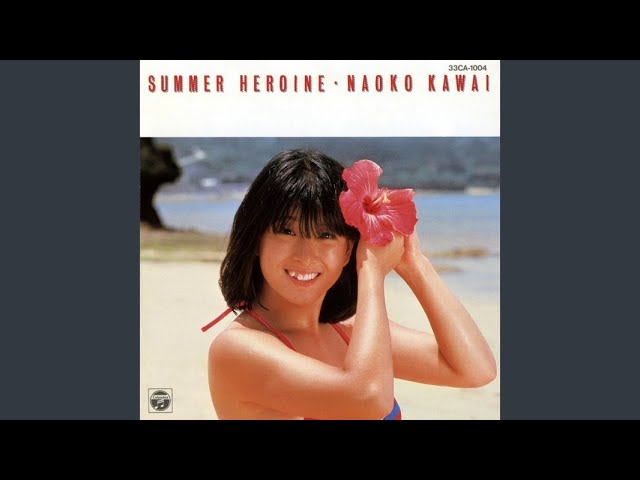
While thriving as an immensely popular idol, Naoko Kawai also showcased her talent as a composer, deftly handling piano and synthesizer.
Featured on her July 1982 album “SUMMER HEROINE,” this track is memorable for its poignant melody that evokes the end of summer.
Its lyrics depict the close of a fleeting summer romance—like parting words written in the sand, washed away by the waves—resonating deeply with listeners.
It’s a song you’ll want to hear at dusk, when the first hints of autumn begin to drift in, as you reflect on bittersweet days of youth.
The sophisticated arrangement delicately captures the protagonist’s emotional nuances—not only the sentimentality, but also the resolve to look ahead.
Moonlit Night over the Great Tone RiverTabata Yoshio

This is a famous song by Yoshio Tabata that depicts a somewhat wistful scene, like the moon floating in the autumn night sky.
The melancholic tone of the guitar and the deep, soul-stirring vocals are striking, aren’t they? The lyrics portray a samurai who has left his hometown, gazing up at the moon and thinking of his distant family—a poignant image.
The moon he once looked upon with a smile now appears blurred by tears, a feeling that makes many of us overlay it with memories of our own hometowns.
Released in October 1939 and re-recorded around 1952 after the war, the piece has been loved for many years.
It’s a number that gently keeps you company on an autumn night when you want to sit quietly and reflect.
MissingKubota Toshinobu

This is a gem of a ballad by Toshinobu Kubota, known for his uniquely groovy style, perfect for an autumn night.
It poignantly conveys, with a soulful voice, the helpless love between a man and a woman who care deeply for each other yet can never be together.
The struggle of wanting to forget but being unable to, and the regret of wishing they had met earlier, really hits home.
The song was included on his debut album, “SHAKE IT PARADISE,” released in September 1986, and was used as an ending theme for shows like World Pro Wrestling.
Though it wasn’t released as a single, it remains one of his most beloved signature songs.
It feels like a gentle companion to the quiet loneliness that follows the bustle of summer.
Late Summer (A Season for One)Arai Yumi

This is a song by Yumi Arai that overlays the changing seasonal scenery with the end of a romance and the beginning of time alone.
The sight of leaves blazing with color and delicate flowers swaying in the wind seems to reflect the protagonist’s loneliness.
The song was included on the album “The 14th Moon,” released under the name Yumi Arai in November 1976, and it also served as the theme song for the NHK dramas “Natsu no Furusato” and “Maboroshi no Budōen.” Its poignant melody—mingling a lingering affection for the summer that has passed with a quiet resolve for the seasons to come—resonates deeply with listeners.
Whether you play it on a drive while reminiscing about summer or during a slightly chilly evening stroll, it will gently keep you company.
A deserted seaToa e moa

Toi et Moi’s “Daremo Inai Umi” (No One at the Seaside) depicts a seascape after summer has passed, when no one comes to play anymore.
Released in 1970, the song was originally created for Julie Itō to sing on a program featuring singer Jerry Itō.
In addition to Julie Itō, it has been performed by chanson singer Yasuko Ōki and Fubuki Koshiji, and by Mao Daichi in the drama Koshiji Fubuki Monogatari.
It portrays a lonely autumn sea, as if everyone has forgotten it, while conveying a strong will: I, at least, remember, and I will live strongly through the coming seasons.

Autumn songs of the Showa era: A collection of classic masterpieces that colored the J-POP scene (41–50)
Before winter comeskami fuusen

Kami Fusen is a folk duo formed in 1974 that has been active for a long time.
Their biggest hit, “Before Winter Comes,” is surely one of the quintessential autumn songs of the Showa era.
The lyrics, written from a woman’s perspective, express her wish to reconcile with the lover she parted with at summer’s end before winter arrives.
The image of her unable to forget her former lover, spending time alone in autumn scenery while recalling traces of the summer they shared, is deeply moving.
Their beautiful vocals, in contrast to the sorrowful lyrics, heighten the sense of poignancy even further.

autumn and winterMizue Takada

Singer Mizue Takada, who debuted as an idol after becoming the 18th Grand Champion on the audition show “You Are the Star!”, is known for her 22nd single “Shūtō” (Autumn/Winter), a cover song that has been performed by various artists throughout the 1980s.
The lyrics, which depict a lover’s changing emotions along with the shifting seasons, grow more poignant as time moves from autumn into winter.
It’s a wistful number whose melancholic vocals and ensemble stir the heart.
