

Autumn songs from the Showa era: A collection of classic masterpieces that colored the J-POP scene

On a somewhat wistful autumn evening, standing by the window and watching the sunset, it’s the season when you feel like listening to nostalgic Showa-era pop songs.
As the maples and ginkgoes turn color, a trove of gem-like autumn classics soothes the heart.
Songs of autumn we heard as children reveal a strangely different expression when we listen to them now as adults.
In this article, we’ll introduce beloved autumn-themed masterpieces from the Showa period, along with numbers that evoke an autumnal mood.
Whether you’re reminiscing about your youth or discovering them for the first time, please enjoy the wonderful world of song.
- [Autumn Songs] Songs of autumn. Classic tracks and popular favorites you’ll want to listen to in the fall.
- Autumn songs that were hits in the 80s. Classic and popular tracks from Japanese music.
- [2026] Autumn Songs for People in Their 60s: Classic Tracks Perfect for the Deepening Fall
- [Classic Showa Kayō Hits] The captivating Showa-era pop songs beloved even by younger generations
- [2026] A collection of autumn songs for people in their 50s. Showa-era classics that bring back memories of those days
- A Guide to Classic Autumn Songs to Sing at Karaoke in October
- Autumn songs that were hits in the ’90s. Classic and popular tracks in Japanese music.
- [Autumn Classics] Japanese Songs to Listen to and Sing in October: A Curated Selection of Beloved, Heartfelt Hits
- Cool songs from the Showa era. Masterpieces from Showa that shine with sensuality, passion, and rugged charm.
- [2026] Songs to listen to in November: masterpieces of late autumn, autumn songs.
- Heart-touching, tear-jerking masterpieces from the Showa era
- From bittersweet tracks to party anthems: fall songs recommended for Gen Z
- Songs to Listen to in September: Popular J-POP Tracks That Capture the End of Summer and Early Autumn
Autumn Songs of the Showa Era: A Collection of Classic Hits That Colored the J-POP Scene (11–20)
Stranger in SeptemberTokunaga Hideaki

With its sweet-and-sour yet bittersweet melody that evokes the arrival of autumn, this is a hidden gem by Hideaki Tokunaga.
Opening his second album RADIO, released in August 1986, the track is an ambitious work produced just six months after his debut.
Unlike his later, more seasoned vocals, his youthful, soaring voice at age 25 paints a poignant scene of summer’s end.
The brisk, somewhat New Wave-influenced sound blends exquisitely with the melancholy lyrics, stirring the listener’s heart.
The song was later included on the ballad best-of album Ballade of Ballade, evidence of its enduring popularity among fans.
It’s the perfect track for a long autumn night when you want to sink into a sentimental mood.
The Door of Autumnhigurashi

This is a song by Higurashi, a group that colored the folk scene of the 1970s, and it captures the aching melancholy of autumn.
It traces the delicate feelings of a woman quietly trying to accept that her relationship with the one she loves is coming to an end.
The song skillfully paints wistful autumn scenes—fallen leaves dancing on the wind, a lonely dusk—drawing listeners deeply into its world.
Released as a single in September 1978, it was later included on the 1979 album “Fruits of Memory.” Naomi Sakakibara’s clear, translucent voice blends with the refined melody to leave an unforgettable afterglow.
It’s the kind of track you’ll want to listen to softly on a long autumn night when you’re in a sentimental mood.
A withered-leaf-colored smileMoriguchi Hiroko
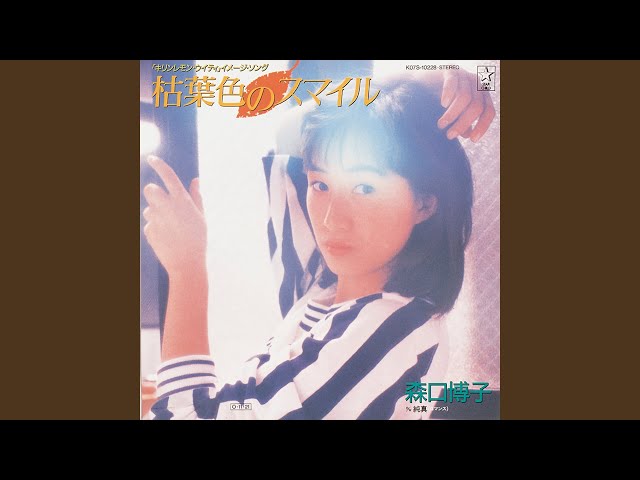
Hiroko Moriguchi, who also shines on variety shows, is equally captivating as a singer.
Her fourth single, released in November 1987, is a classic that perfectly suits the season when the autumn breeze seeps into the heart.
It delicately portrays a wavering maiden’s heart: wanting to smile in front of the one she loves, yet quietly harboring loneliness and fragility.
The earnest wish to be embraced with warmth is so touching it tightens the chest.
The song is also known for being used as the image song for Kirin Lemon Witty.
Listen to it on an autumn evening lost in thought, and Moriguchi’s clear, translucent voice will gently nestle close to your heart—a sentimental piece indeed.
The blue sky in OctoberMorikawa Miho

Under a crystal-clear autumn sky that only heightens the ache of parting, this is a hidden gem by Miho Morikawa.
The song is a finely crafted ballad included on the single “Himesama Zoom-In,” released in October 1986, with lyrics and composition by Kyoko Matsumiya.
You can almost see the protagonist stepping onto a bus—resolute about never meeting again, yet looking up at a sky so blue it nearly brings her to tears.
It showcases the depth of expression Morikawa was developing as she moved from idol to serious artist.
The track was later included on the album “Nude Voice.” It’s a song that gently accompanies you on long autumn nights when you want to drift into thought and quietly bathe in memories of the past.
Sunset HillYujiro Ishihara · Ruriko Asaoka

This is a duet by two silver-screen stars who epitomized the Showa era, Yujiro Ishihara and Ruriko Asaoka.
On a bus running over a hill at dusk, the narrator happens to notice a mole at the conductor’s collar—just like the one on a former lover.
From that bittersweet coincidence, the feelings they had been holding back well up, painting a picture of travel and longing.
Their voices are like a scene from a movie, and as you listen you feel as if you’ve become the story’s protagonist.
Released in September 1963, this classic is also included on Ishihara’s best-of compilation Original Best 40.
It’s the kind of song that draws you deeply into its lyrical world—perfect for a long autumn night spent in quiet reflection, or for gazing at the sunset from a bus window while traveling.
The Wind RisesMatsuda Seiko

Seiko Matsuda’s seventh single, released in October 1981 (Showa 56).
Composed by Eiichi Ohtaki, it was also used as the theme song for a Glico Pocky commercial in which Seiko herself appeared.
The bright timbre of her voice, rich in high overtones, the cheerful melody, and the luxuriously arranged string-backed track come together as one to evoke the refreshing breezes of autumn just by listening.
At the same time, the melody and lyrics that subtly convey autumn’s wistful melancholy are superb as well!

Songs of Autumn from the Showa Era: A Collection of Classic J-POP Gems (21–30)
The Koshu Highway is already in autumn.RC sakuseshon

“Kōshū Kaidō wa Mō Aki Nanosā,” a song by RC Succession about the changing scenery along the Kōshū Highway as it runs from Tokyo through Yamanashi to Nagano, is included on their 1976 album Single Man.
Its melody, rich with a folk-like melancholy, also evokes the feeling of autumn.
The lyrics depict someone carrying a deep pain, driving along the Kōshū Highway and speaking reflectively about how autumn has already arrived.
If you’re feeling pent-up and want to blow off some steam, why not give it a listen?
