

Autumn songs from the Showa era: A collection of classic masterpieces that colored the J-POP scene

On a somewhat wistful autumn evening, standing by the window and watching the sunset, it’s the season when you feel like listening to nostalgic Showa-era pop songs.
As the maples and ginkgoes turn color, a trove of gem-like autumn classics soothes the heart.
Songs of autumn we heard as children reveal a strangely different expression when we listen to them now as adults.
In this article, we’ll introduce beloved autumn-themed masterpieces from the Showa period, along with numbers that evoke an autumnal mood.
Whether you’re reminiscing about your youth or discovering them for the first time, please enjoy the wonderful world of song.
- [Autumn Songs] Songs of autumn. Classic tracks and popular favorites you’ll want to listen to in the fall.
- Autumn songs that were hits in the 80s. Classic and popular tracks from Japanese music.
- [2026] Autumn Songs for People in Their 60s: Classic Tracks Perfect for the Deepening Fall
- [Classic Showa Kayō Hits] The captivating Showa-era pop songs beloved even by younger generations
- [2026] A collection of autumn songs for people in their 50s. Showa-era classics that bring back memories of those days
- A Guide to Classic Autumn Songs to Sing at Karaoke in October
- Autumn songs that were hits in the ’90s. Classic and popular tracks in Japanese music.
- [Autumn Classics] Japanese Songs to Listen to and Sing in October: A Curated Selection of Beloved, Heartfelt Hits
- Cool songs from the Showa era. Masterpieces from Showa that shine with sensuality, passion, and rugged charm.
- [2026] Songs to listen to in November: masterpieces of late autumn, autumn songs.
- Heart-touching, tear-jerking masterpieces from the Showa era
- From bittersweet tracks to party anthems: fall songs recommended for Gen Z
- Songs to Listen to in September: Popular J-POP Tracks That Capture the End of Summer and Early Autumn
Autumn songs of the Showa era: A collection of classic masterpieces that colored the J-POP scene (41–50)
Adolescence (with an autumnal/reflective nuance)Iwasaki Hiromi

A hit song by Hiromi Iwasaki, a singer who shines across a wide range from city pop to ballads.
The lyrics by the songwriter Yu Aku are a highlight, playing cleverly with the words shishunki (adolescence) and shiuuki (autumn years).
The composition is by the legendary Takashi Miki.
There’s even an anecdote that when Iwasaki was 18, her first recording session had to be halted because she became so emotionally immersed in the song’s world that she couldn’t stop crying.
The lyrics gently yet poignantly reflect on love and youth that come to mind in autumn.
Although it was released in 1999, it feels timeless.
Autumn Songs of the Showa Era: A Collection of J-POP Masterpieces (51–60)
Twilight BlueKawai Naoko

This song, which poignantly and beautifully portrays an autumn twilight, is known as one of Naoko Kawai’s signature works.
Released on September 1, 1982, it was included as the B-side to the single “Kenka o Yamete.” With lyrics by Machiko Ryu and music by Koji Makaino, the song’s lyrics—where a bittersweet love and autumn scenery blend seamlessly—paired with Kawai’s clear, translucent vocals, resonate deeply with listeners.
While fully showcasing the charm of an idol kayōkyoku number, it also offers a glimpse into a more mature love story.
It’s a perfect track for those who want to sink into a gentle, reflective mood on a long autumn night.
If you board the autumn-clothes boatWatanabe Marina
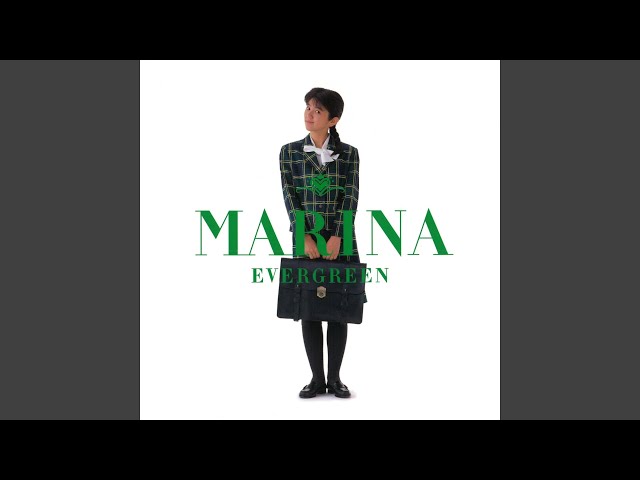
A lyrical masterpiece that delicately paints an autumn scene.
Released in September 1987, this song was included on Marina Watanabe’s second album, “EVERGREEN,” which reached No.
5 on the Oricon chart.
Keiko Aso’s poetic lyrics and Etsuko Yamakawa’s beautiful melody blend perfectly, gently expressing the feelings of lovers in an autumn park.
Centered on piano and strings, the nostalgic sound exquisitely evokes the calm atmosphere of fall.
Highly recommended as a deeply moving piece for anyone experiencing the anxieties and hopes of love.
Autumnotoko

This autumn ballad, which combines both poignancy and power, is a song that encapsulates the appeal of Otokogumi, a male idol group emblematic of the 1980s.
Its lyrics, depicting parting and new beginnings, overlap with autumn imagery like lightning and rain, resonating deeply with listeners.
Released in 1989, it drew significant attention, including reaching No.
1 on the Oricon weekly singles chart.
In June 2023, they appeared on NHK’s “SONGS,” offering a valuable opportunity to look back on their activities since before their debut.
It’s the perfect track for a long autumn night, listening while gazing out the window—one that lets you fully experience the allure of Otokogumi.
Autumn is burningIshikawa Hitomi

“Aki ga Moeru” (Autumn Ablaze) is Hitomi Ishikawa’s ninth single, a song that evokes the atmosphere of the Showa era.
Released in 1980, it portrays the poignancy of autumn as it shifts toward a winter that creeps up from your feet, along with the end of a summer romance.
The lyrics brim with heated emotion, revealing the depth of a woman’s passion.
It was also used as the ending theme for the TV Tokyo program “Obake no Samba,” and was loved by a wide audience.
This track became an important stepping stone leading to her later hit, “Machibuse.” I hope you’ll feel the beauty of this song on a long autumn night.

Melancholy CasablancaGō Hiromi

Hiromi Go’s “Aishū no Casablanca” portrays the sorrowful end of a love, evoking the melancholy of autumn.
Released in 1982, the song is a cover of American singer-songwriter Bertie Higgins’s “Casablanca.” Although the Casablanca lily blooms in summer, the melody carries an autumnal wistfulness.
The lyrics, which ache over parting from someone you once believed you’d spend your whole life with, may be especially painful for those who’ve experienced a similar fate.
It’s a tear-jerking number about the poignant end that can follow even the strongest love.

Traveler of OctoberTakai Mamiko

A ballad by Mamiko Takai that sings of autumn’s loneliness and the longing for human connection.
It richly paints scenes of streets where dead leaves dance and memories of the summer now gone, while its heart-piercing melody and delicate lyrics vividly bring the season’s imagery to life.
Released in January 1988 as the B-side to the single “Usotsuki,” this piece emerged during her solo career following her graduation from Onyanko Club and has maintained enduring popularity among fans.
A song to savor on long autumn nights—why not give it a listen as you dwell on your thoughts or look back on memories with someone dear?