

A roundup of classic Showa-era kayō songs: a comprehensive introduction to timeless tracks loved across generations.

Songs released in the Showa era—what we call Showa kayokyoku—are truly full of timeless masterpieces!
If you’re an adult born in the Showa period, you probably know just how wildly popular Showa kayokyoku was with the entire nation back then.
Meanwhile, even for younger people born in the Heisei era and later, there are still plenty of Showa kayokyoku songs you hear all the time today, and I’m sure many of you can sing quite a few of them without looking at the lyrics.
In this article, we’ll introduce a whole lineup of Showa kayokyoku classics that have continued to be loved across generations.
Take this opportunity to listen again with fresh ears and immerse yourself fully in the world of kayokyoku.
- Showa-era nostalgic songs: Popular ranking
- Showa-era masterpieces roundup: A must-listen collection of nostalgic oldies and hit songs
- Hit songs in Japan in the late 1960s
- Showa-era kayōkyoku: hit songs by male singers, classic masterpieces of Japanese popular music.
- [Classic Showa Kayō Hits] The captivating Showa-era pop songs beloved even by younger generations
- Just listening to it purifies the heart... A healing song born in the Showa era.
- A collection of iconic, cool Showa-era kayōkyoku classics sung by male vocalists
- Heart-touching, tear-jerking masterpieces from the Showa era
- Evokes the charm of the good old days. Showa-era inspirational songs that are still loved today.
- [Nostalgic Hits] Smash Hits with the Showa Generation! Classic and Popular Songs Sung by Female Vocalists
- [For Seniors] Popular Kayōkyoku: A Collection of Classic Songs Perfect for Karaoke and Background Music Selection
- Nostalgic Japanese hit songs from the 1960s. A collection of popular Showa-era classic melodies.
- Popular Showa-era pop. Timeless hit songs.
A roundup of classic Showa-era Kayōkyoku hits: A comprehensive introduction to timeless songs loved across generations (71–80)
Tokyo Bus GirlShodai Koromubia Rōzu

This song, which portrays the lively bus girls who made their way into society in the late 1950s and early 1960s as one of the few jobs available to women, lists the sad situations that can occur on board while singing of their undaunted bravery.
In doing so, it cast a message to society that inspired people to keep going themselves.
Premonition of Spring – I’ve been mellowMinami Saori

This is a song by Saori Minami that evokes the arrival of spring.
Released in January 1978 as her 25th single, it was used for Shiseido’s spring campaign.
Her transparent, clear voice and the melody that recalls the gentle warmth of spring leave a strong impression.
The lyrics announce the end of winter and hint at a new season to come, making your heart leap.
It’s a track you’ll want to listen to on a day you wish to spend leisurely under the calm spring sunshine.
A heartwarming song that brings out the full charm of Saori Minami.
It was spring, wasn’t it?yoshida takurou

A classic that depicts the springtime scenery of the Showa era.
Takuro Yoshida’s gentle voice and the poignant lyrics that recall a lost love resonate deeply.
Included on the album “Genki Desu.” and released in February 1972, this record is such a masterpiece that Jun Miura has said it’s the one he’s listened to most in his life.
This song expresses a longing for a past love with the arrival of spring.
Carried by a quietly flowing melody, you can almost see someone looking back on springtime memories as dust dances in the wind.
Highly recommended for anyone who’s experienced heartbreak or feels a touch of melancholy when spring comes.
Showa Kayō Masterpieces: A Comprehensive Introduction to Beloved Songs That Transcend Time (81–90)
Let’s get married.yoshida takurou
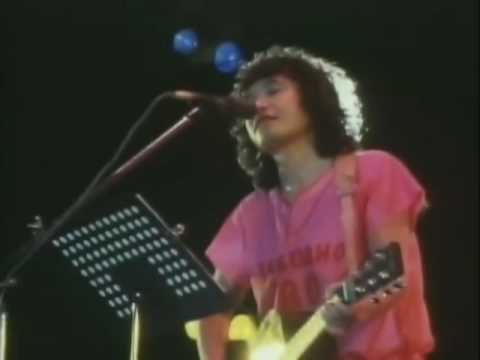
It’s a hit song from the heyday of folk music.
I don’t really know it firsthand, but wasn’t it an unusually themed song for its time? When it comes to Yoshida Takuro’s spouse, the only person who comes to mind is Miyoko Asada, but it turns out he had married someone else back then, just like in the song.
You Are the One Who Rings That BellWada Akiko

It’s a single by Akiko Wada released in 1972.
It won the Best Vocal Performance award at the 14th Japan Record Awards, and has since been covered by artists such as Sambomaster and Hideaki Tokunaga, continuing to be performed many times on NHK’s Kōhaku Uta Gassen.
Dawn breaks.Sakamoto Sumiko

Many of you may remember this song from long ago, as it tends to stick in your ears.
She also thrived as an actress, famously filing down her front teeth in her 40s to play an elderly woman in the film The Ballad of Narayama—a masterpiece whose harrowing performance won the top prize at the Cannes Film Festival.
While she didn’t achieve massive hit status as a singer, this classic reached as high as No.
14 on the Oricon charts in 1971.
I look up as I walkSakamoto Kyu
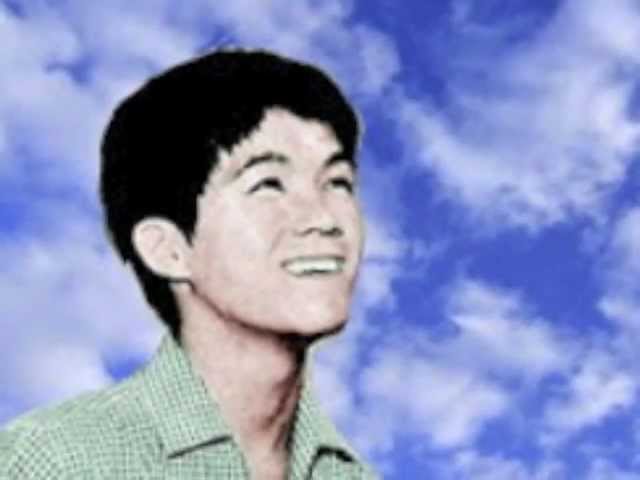
It’s one of Kyu Sakamoto’s signature songs, covered not only in Japan but also by various renowned artists overseas.
It is also the only song by an Asian singer to have reached No.
1 on the Billboard weekly chart.
Even now, it remains a representative Japanese song loved around the world.