



Songs released in the Showa era—what we call Showa kayokyoku—are truly full of timeless masterpieces!
If you’re an adult born in the Showa period, you probably know just how wildly popular Showa kayokyoku was with the entire nation back then.
Meanwhile, even for younger people born in the Heisei era and later, there are still plenty of Showa kayokyoku songs you hear all the time today, and I’m sure many of you can sing quite a few of them without looking at the lyrics.
In this article, we’ll introduce a whole lineup of Showa kayokyoku classics that have continued to be loved across generations.
Take this opportunity to listen again with fresh ears and immerse yourself fully in the world of kayokyoku.
- Showa-era nostalgic songs: Popular ranking
- Showa-era masterpieces roundup: A must-listen collection of nostalgic oldies and hit songs
- Hit songs in Japan in the late 1960s
- Showa-era kayōkyoku: hit songs by male singers, classic masterpieces of Japanese popular music.
- [Classic Showa Kayō Hits] The captivating Showa-era pop songs beloved even by younger generations
- Just listening to it purifies the heart... A healing song born in the Showa era.
- A collection of iconic, cool Showa-era kayōkyoku classics sung by male vocalists
- Heart-touching, tear-jerking masterpieces from the Showa era
- Evokes the charm of the good old days. Showa-era inspirational songs that are still loved today.
- [Nostalgic Hits] Smash Hits with the Showa Generation! Classic and Popular Songs Sung by Female Vocalists
- [For Seniors] Popular Kayōkyoku: A Collection of Classic Songs Perfect for Karaoke and Background Music Selection
- Nostalgic Japanese hit songs from the 1960s. A collection of popular Showa-era classic melodies.
- Popular Showa-era pop. Timeless hit songs.
Showa-era Kayō Classics Roundup: A comprehensive look at timeless songs loved across generations (1–10)
Until we meet againOzaki Kiyohiko
When it comes to classic Showa-era kayō songs, this is the one! It’s known as Kiyohiko Ozaki’s signature work.
The lyrics, which depict a man and woman who have resolved to part ways, convey a sense of aesthetic beauty.
The vivid detail of erasing each other’s names from the nameplate and setting off on new paths is especially striking, making it easy to imagine the characters’ emotions.
Released in March 1971, the song won the Grand Prize at both the 13th Japan Record Awards and the 2nd Japan Kayō Awards.
It was also selected as the entrance march for the 44th National High School Baseball Invitational Tournament in 1972.
It’s a song I recommend to anyone who has experienced a breakup or is trying to move on from parting with someone important.
Cotton HandkerchiefŌta Hiromi

This song by Hiromi Ohta is known as a masterpiece that bridged folk and kayōkyoku (Japanese pop).
Its standout feature is its innovative lyric structure: a dialogue between a man and a woman themed around a long-distance relationship.
Released in 1975, it became a massive hit, selling 867,000 copies.
Created by the duo of Takashi Matsumoto and Kyohei Tsutsumi, it captured the hearts of many listeners.
It’s recommended not only for those who have experienced long-distance love, but also for anyone who has gone through a farewell with someone dear.
foreignerKUBOTA Saki

With its strikingly exotic vibe, the song captures listeners’ hearts, enhanced by Saki Kubota’s sultry vocals.
Released in October 1979, it was also featured in a Sanyo Electric commercial and reached No.
1 on the Oricon chart in December of the same year.
It became a massive hit, selling over one million records.
The song’s allure lies in its foreign, evocative melody and lyrics that resonate deeply.
It may be the perfect track for those looking to heal the pain of heartbreak or feeling the loneliness of a new environment.
Love MemoryMatsuzaki Shigeru
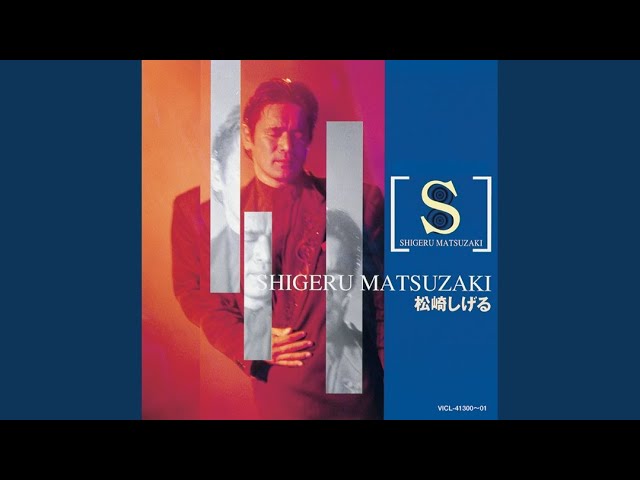
It is a song that celebrates the depth and beauty of love.
Released in August 1977, this track is Shigeru Matsuzaki’s 14th single and is widely known as one of his signature songs.
It looks back on bittersweet memories with a loved one and sings about the essence of love.
Emphasizing the importance of loving one another, it asks what true joy in life is.
The song gained attention when it was used in a commercial for Ezaki Glico’s Almond Chocolate, and it also marked his first appearance at the 28th NHK Kōhaku Uta Gassen.
It’s a heartwarming piece to listen to while thinking of someone you love.
Lingering Snowiruka

Originally written and composed by Shozo Ise of the group Kaguya-hime, who also sang it himself.
The following year, in 1975, Iruka covered the song and it became a big hit.
It’s a classic that captures the colors of the Showa era, with beautifully poignant lyrics about seeing off a girl as she leaves for the city.
It might be nice to compare and enjoy the unique qualities of both Shozo Ise’s and Iruka’s versions.
applausechiaki naomi

When it comes to iconic Showa-era kayōkyoku, you can’t leave out this song sung by Naomi Chiaki.
With its powerful, passionate vocals and profound emotional expression, it resonates deeply with listeners.
Released in September 1972, it became a massive hit, even winning the Japan Record Award that same year.
The lyrics portray the image of a singer shining on stage while grappling with grief over a lost loved one.
The contrast between outward glamour and inner sorrow further enhances the song’s appeal.
It’s a must-listen for anyone trying to overcome the pains of love and life.
EnchantedJudi Ongu

Judy Ongg’s clear, translucent vocals beautifully capture the delicate emotions of a woman wavering in love.
Released in 1979, it became a massive hit, topping the Oricon weekly chart for nine consecutive weeks.
Many people likely still remember her appearance in a white dress.
The lyrics, where the lingering sweetness of past love intersects with the hope for a new romance, are sure to resonate with every woman struggling with matters of the heart.
It’s a recommended song for anyone who, after parting with someone dear, hopes to find love again.