

A roundup of classic Showa-era kayō songs: a comprehensive introduction to timeless tracks loved across generations.

Songs released in the Showa era—what we call Showa kayokyoku—are truly full of timeless masterpieces!
If you’re an adult born in the Showa period, you probably know just how wildly popular Showa kayokyoku was with the entire nation back then.
Meanwhile, even for younger people born in the Heisei era and later, there are still plenty of Showa kayokyoku songs you hear all the time today, and I’m sure many of you can sing quite a few of them without looking at the lyrics.
In this article, we’ll introduce a whole lineup of Showa kayokyoku classics that have continued to be loved across generations.
Take this opportunity to listen again with fresh ears and immerse yourself fully in the world of kayokyoku.
- Showa-era nostalgic songs: Popular ranking
- Showa-era masterpieces roundup: A must-listen collection of nostalgic oldies and hit songs
- Hit songs in Japan in the late 1960s
- Showa-era kayōkyoku: hit songs by male singers, classic masterpieces of Japanese popular music.
- [Classic Showa Kayō Hits] The captivating Showa-era pop songs beloved even by younger generations
- Just listening to it purifies the heart... A healing song born in the Showa era.
- A collection of iconic, cool Showa-era kayōkyoku classics sung by male vocalists
- Heart-touching, tear-jerking masterpieces from the Showa era
- Evokes the charm of the good old days. Showa-era inspirational songs that are still loved today.
- [Nostalgic Hits] Smash Hits with the Showa Generation! Classic and Popular Songs Sung by Female Vocalists
- [For Seniors] Popular Kayōkyoku: A Collection of Classic Songs Perfect for Karaoke and Background Music Selection
- Nostalgic Japanese hit songs from the 1960s. A collection of popular Showa-era classic melodies.
- Popular Showa-era pop. Timeless hit songs.
Summary of classic Showa-era kayōkyoku hits: a comprehensive showcase of timeless songs loved across generations (11–20)
Imperial Regent Declarationsadamasashi

This is a classic song that humorously captures a man’s true feelings on the eve of marriage.
When it was released in July 1979, it sparked debate over gender roles, yet also won support from listeners who didn’t usually buy pop songs, becoming a major talking point.
It reached as high as No.
2 on TBS’s “The Best Ten.” At concerts, it’s customary for the audience to sing along to the ending section.
The charm lies in how, beneath the clumsy words, you can sense his single-minded desire to protect his family and his deep affection.
It’s perfect for anyone who wants to convey feelings that are usually too embarrassing to say out loud—through this song.
17 years oldMinami Saori

A song depicting the sparkle of youth and the stirrings of first love became Saori Minami’s debut single, released in 1971.
Her clear, translucent vocals blend beautifully with the fresh melody crafted by Kyohei Tsutsumi, propelling the track to a major hit that ranked high on the Oricon charts.
It garnered numerous awards, including the New Artist Award at the 13th Japan Record Awards.
The lyrics, exquisitely expressing the delicate emotions of a 17-year-old girl, resonated with many and have continued to be cherished across generations.
This work sings of a yearning to affirm love by the sea and a powerful longing for the object of one’s affection, evoking a vivid snapshot of youth in the listener’s heart.
Cape ErimoMori Shinichi

A signature song by Shinichi Mori that recorded total sales of about one million.
It won the Japan Record Award and the Japan Kayō Award in 1974.
The music was composed by Takuro Yoshida, with lyrics by Osami Okamoto, and it has been covered by many enka singers, including Teresa Teng.
March of 365 StepsSuizenji Kiyoko

When it comes to iconic Showa-era kayōkyoku, this song by Kiyoko Suizenji is a standout classic! More than half a century after its release, it continues to be loved by many.
As an anthem for life, it conveys the importance of always facing forward and keeping on walking.
The lyrics, infused with Buddhist teachings and the spirit of tea ceremony, carry deep meaning.
Released in November 1968, it became an instant hit.
The following year, it was selected for the NHK Kōhaku Uta Gassen and as the entrance march for the National High School Baseball Invitational Tournament, earning widespread affection.
The piece delivers a positive message that the small steps we take each day will eventually lead to great achievements.
It’s a song we’d love anyone who’s striving—or in need of encouragement—to hear!
Tsugaru Strait Winter SceneIshikawa Sayuri

As one of the most iconic songs of the Showa era, it continues to be loved by many to this day.
Sayuri Ishikawa’s vocals brilliantly capture the emotions of those crossing the Tsugaru Strait.
Released in April 1977, it created a huge buzz, including being performed at that year’s NHK Kohaku Uta Gassen.
The lyrics weave in images of the snowy scenery at Aomori Station and people quietly returning north, vividly conveying what travel on the Seikan Ferry was like at the time.
It’s a song I especially recommend to those living away from their hometowns or those who love to travel.
If you listen to it during the bone-chilling winter season, it will resonate with you even more.
From the northern innMiyako Harumi

A song that presses on the heart with the poignant feelings woven into a sweater.
Harumi Miyako’s powerful vocals leave a strong impression.
Released in 1975, the single sold over 1.4 million copies and ranked third on Oricon’s annual singles chart in 1976.
That same year, Miyako won the 18th Japan Record Award with this song.
The lyrics, depicting the cold and loneliness of the northern country, are sure to resonate with anyone nursing a broken heart.
It’s best listened to on a winter night while gazing out the window.
Compilation of Showa-era Kayōkyoku masterpieces: A comprehensive showcase of timeless songs loved across generations (21–30)
Do whatever the hell you want.sawada kenji
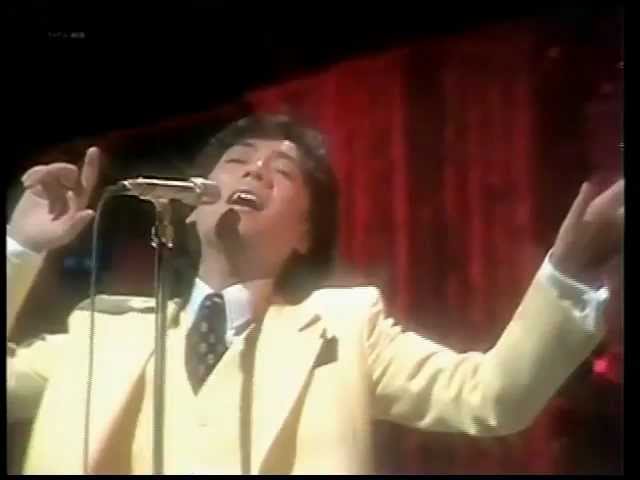
This is a song that continues to be loved as a quintessential Showa-era pop classic.
Its striking chorus sticks in your ears and resonates with your heart every time you listen.
It portrays the complex emotions of a heartbroken man with a chic, mature melancholy, showcasing Kenji Sawada’s charm to the fullest.
Released in May 1977, it spent five consecutive weeks at No.
1 on the Oricon weekly chart and ranked fourth on the year-end chart.
It became a massive hit, selling 890,000 copies.
It’s a must-listen not only for those nursing a broken heart, but also for younger listeners who admire adult romance.
Why not let yourself be intoxicated by Kenji Sawada’s captivating vocals?