

Catchy Showa-era commercial jingles. Introducing famous songs recently featured in commercials, too!

From the Showa era to the present day, countless commercials have aired, and among them are many catchy jingle songs that you just can’t get out of your head.
In this article, we’ll introduce not only original CM songs that were frequently heard back then, but also classic Showa-era hits that have been featured in commercials over the years.
We’ve selected tracks not only from Showa-era commercials, but also songs that were newly used in ads during the Heisei and Reiwa periods.
For those who remember the time, it’s nostalgic; for younger listeners, it feels fresh.
We’ve put together a playlist you can enjoy, so please have a great time exploring it.
- Commercial songs from the 70s. Nostalgic TV commercial jingles.
- [Nostalgic Commercials] A compilation of commercials that aired in the Showa era
- A must-see for people in their 30s and 40s! A roundup of nostalgic 1990s commercial jingles
- 80s commercial songs. A roundup of Japanese songs from the 80s that have been used in commercials.
- Catchy commercial jingles. A roundup of those songs grabbing attention in ads!
- Heartwarming nostalgic commercial jingles: a special collection of timeless hits that take you back.
- [I want to hear it again!] Songs from Suntory commercials. Popular commercial jingles
- Western songs from the 90s featured in commercials. A roundup of CM songs.
- Nostalgic commercials from the 2000s: revisiting ads that left a lasting impression
- [Classic Hits of the 70s] A Compilation of Western Songs Used in Commercials
- [From timeless classics to the latest hits] A roundup of catchy commercial songs
- Funny commercial song. Popular funny commercial songs.
- Classic enka songs featured in commercials, along with original CM tracks, introduced together!
Catchy Showa-era commercial jingles: Featuring classic songs recently used in ads (41–50)
As long as the sun is in the skynishikino akira

Akira Nishikino’s “Sora ni Taiyō ga Aru Kagiri” was released in 1971 and has long been sung as one of his signature songs.
It’s a popular track—he even performed it on the Kōhaku Uta Gassen—and it’s often featured in nostalgic music specials, so it’s known across generations.
With a calm yet powerful sound that embodies classic kayōkyoku, the gentle lead vocal layered with chorus conveys a warm, uplifting positivity.
The recurring phrase “as long as there is [X]” stands out, and the song has sometimes been adapted into parody lyrics for commercials.
That familiarity, along with its approachable feel, seems to be a key part of its enduring appeal.

Catchy Showa-era commercial jingles: introducing classic hits recently featured in ads (51–60)
Love Dial 6700Fingā 5

Finger Five’s “Koi no Dial 6700” is a song released in 1973 as their third single.
It topped the Oricon singles chart, and, as it was also chosen as the theme song for “Finger Five no Daibōken,” a feature in the Toei Manga Matsuri, it became beloved across generations.
With phrases themed around the sound of a ringing telephone and cute lyrics that evoke romance, the song conveys a bright, straightforward mood.
The light, catchy phone-ringing at the beginning has drawn particular attention, and it seems this part is often highlighted when the song is used in commercials.
My boyfriend is left-handed.Asaoka Megumi

Megumi Asaoka’s “My Boyfriend’s Left-Handed” was released in 1973 and is widely known as one of her signature songs.
With its cute lyrics expressing affection for a left-handed boyfriend, it became such a hit that it helped overcome the prejudice against left-handedness at the time.
The light band sound combined with her cheerful vocals clearly conveys a positive image.
Because of its bright atmosphere, it also works well as a commercial jingle and has been used widely, from fun, upbeat spots to more comical ones.
youthMorita Kōichi to Toppugyaran
Koichi Morita and Top Gallant’s “Seishun Jidai” (Youthful Days) was released in 1976 and gained popularity for its skillful portrayal of the feelings of youth.
The group also performed the song on the NHK New Year’s Eve music show Kōhaku Uta Gassen, and it continues to be remembered as one of their signature tracks.
The sound has the light touch of group sounds, and the overlap between this buoyant feel and the youthful lyrics vividly evokes a fulfilling youth.
The song was also used in a Sumitomo Trust commercial, which gives the impression of aligning with the idea of building toward the future.
Yoko of the Port, Yokohama, YokosukaDaun Taun Bugiugi Bando

Downtown Boogie Woogie Band’s “Minato no Yōko, Yokohama, Yokosuka,” released in 1975, is an alluring track with a cool vibe.
It’s remembered for its distinctive structure—a powerful, guitar-riff-driven sound layered with spoken vocals.
The mentions of Yokohama and Yokosuka in the lyrics are also striking, and the song is beloved as a local anthem.
Thanks to its unique spoken delivery and handy, question-posing phrases, that aspect has been spotlighted and used in commercials, including for Nidec.
The season the sun gave usaoi sankakujougi

Aoi Sankakujōgi’s “Taiyō ga Kureta Kisetsu” was released in 1972 and drew attention for being used as the theme song for the drama “Tobidase! Seishun.” With this song, they won the Newcomer Award at the Japan Record Awards and even appeared on the Kōhaku Uta Gassen, making it one of Aoi Sankakujōgi’s signature tracks.
The lyrics strongly evoke youth, expressing the struggles that come with being young, set to the gentle sound of folk music.
As for commercials, it has been used in spots like the Lake (consumer finance) ads featuring the comedy duo Chidori; its wistful melody is deliberately paired with comedic visuals to create a striking contrast.
A café in a student districtGARO
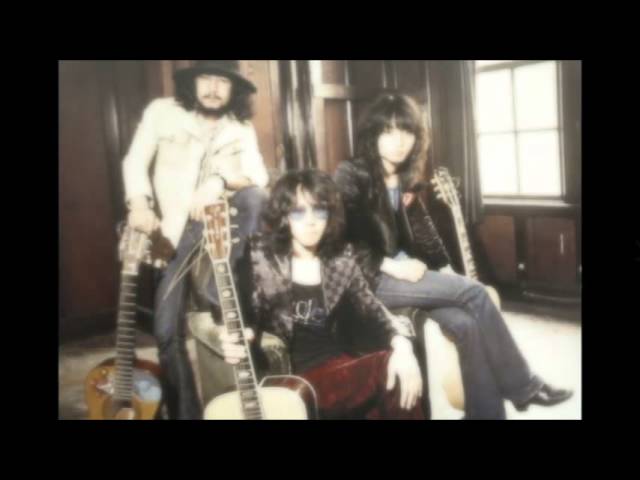
GARO’s “Gakuseigai no Kissaten” (Coffee Shop in the Student District) is a highly popular song included on their 1972 album GARO2, and it was also released as a single.
Although it was initially placed on the B-side at the time of the single’s release, it caught on thanks to radio promotion and went on to become regarded as GARO’s biggest hit.
The song evokes a scene set in a coffee shop in a student neighborhood, and its sound and melody—tinged with a certain darkness—are especially memorable.
When the track is used in commercials, the focus often falls on the “student” aspect, drawing on the lyrics to convey a strong sense of nostalgia.