

Catchy Showa-era commercial jingles. Introducing famous songs recently featured in commercials, too!

From the Showa era to the present day, countless commercials have aired, and among them are many catchy jingle songs that you just can’t get out of your head.
In this article, we’ll introduce not only original CM songs that were frequently heard back then, but also classic Showa-era hits that have been featured in commercials over the years.
We’ve selected tracks not only from Showa-era commercials, but also songs that were newly used in ads during the Heisei and Reiwa periods.
For those who remember the time, it’s nostalgic; for younger listeners, it feels fresh.
We’ve put together a playlist you can enjoy, so please have a great time exploring it.
Catchy Showa-era commercial jingles. Introducing famous songs recently featured in commercials, too! (1–10)
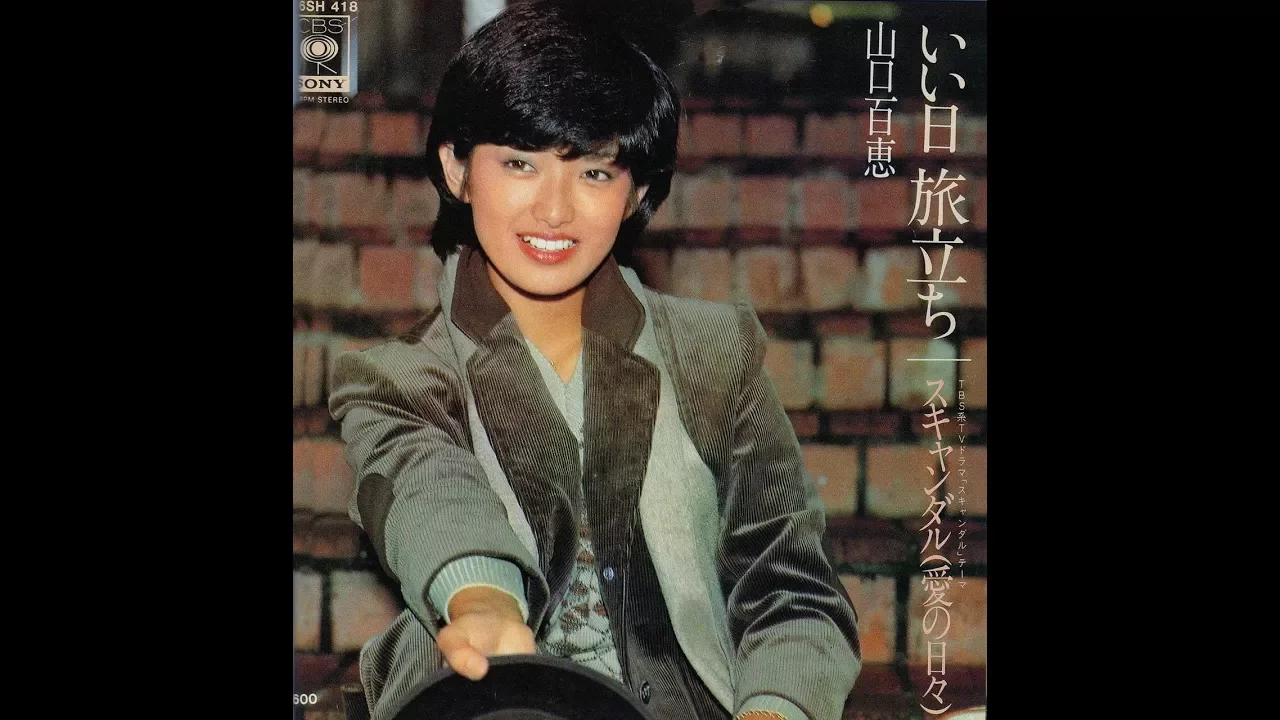
A Good Day to Set Out on a JourneyYamaguchi Momoe

Released in 1978, Momoe Yamaguchi’s “Ii Hi Tabidachi” was composed for a Japan National Railways commercial that aired the same year.
Shinji Tanimura wrote both the lyrics and the music, capturing the image of setting off on a journey at the end of winter, sung over a beautifully bittersweet melody.
The song became a major hit, selling over a million copies, and not only became one of Yamaguchi’s signature numbers, but also one of the defining tracks of the Showa-era pop scene.
Many people who lived through that time know it well, and even among younger generations, a great number are likely familiar with the song.

Dream FlowerEn Hiroshi

Hiroshi Madoka is a singer-songwriter who is widely beloved as a TV personality in the Kansai region.
His debut single “Musouka,” which was used in numerous commercials including Japan Airlines’ “COME TO AMERICA ’78,” is also known as his biggest hit.
The impactful, polyrhythmic refrain of the chorus is so catchy that it captivates viewers no matter what commercial it’s in.
Today, it’s often used in variety shows as well—a classic masterpiece from the Showa era.

Heart of the blue sky (No me? More no!)Sazan Ōrusutāzu

In 1979, the MITSUYA CIDER commercial featured “Aoi Sora no Kokoro (No me? More no!).” The following year, it was released as the B-side of a single.
Southern All Stars have continued to appear in MITSUYA CIDER commercials, so there’s a long history between the band and the cider brand.
This “Aoi Sora no Kokoro (No me? More no!)” was created specifically for the commercial, and notably includes the word “cider” in its lyrics.
Its alluring vocal work set over a mid-tempo accompaniment is particularly captivating.
A Member of the Fire Brigaderattsuandosutā

Rats & Star is a chorus group that gained popularity for their music steeped in Black music influences and a soulful singing style uncommon among Japanese artists.
After changing their name from Sharam Q to Rats & Star, their first single release, “Megumi no Hito,” became a massive hit as a Shiseido commercial song.
The lyrics, which evoke images of the summer beach, combined with the commercial’s visuals, heighten the anticipation for the hot season.
It’s a catchy pop tune known for its many cover versions, with an impactful signature phrase that makes you want to imitate it along with the choreography.
SWEET MEMORYSMatsuda Seiko

Seiko Matsuda is a singer-songwriter known as an indispensable figure in discussions of the Showa-era idol scene, even sparking social phenomena where her hairstyles became trends.
Sweet Memories, originally released as the B-side to her 14th single Glass no Ringo (Glass Apple), drew huge attention after being featured in a Suntory CAN Beer commercial and was later reissued as a double A-side single.
The commercial’s scene of a cute penguin drinking at a bar, paired with her bluesy yet adorable vocals, left a strong impression.
Even today, this emotional pop tune remains a live staple that continues to captivate fans.
Fly! GundamNEW!Ikeda Ko

A commercial introducing the limited-time spring menu item, the Chicken Tatsuta, which appears every year.
In 2026, a collaboration commercial with Mobile Suit Gundam is being rolled out, featuring iconic scenes from the anime and even an original mobile suit made specifically for the Gundam Chicken Tatsuta, creating a special, standout presentation.
Naturally, the background music uses the theme song “Fly! Gundam,” making it a luxurious ad brimming with Gundam vibes.
Your eyes are 10,000 voltsHoriuchi Takao

This is a song released in 1978 by Takao Horiuchi, who had been active as a member of Alice, and it also marked his solo debut.
In the same year, it was featured in a Shiseido Benefique commercial and became a huge hit.
The lyrics express feelings for a dazzling, radiant woman, and Horiuchi’s passionate vocals along with the catchy melody line are part of its appeal.
Incidentally, the song’s strikingly impactful title was reportedly proposed by the Shiseido representative.